
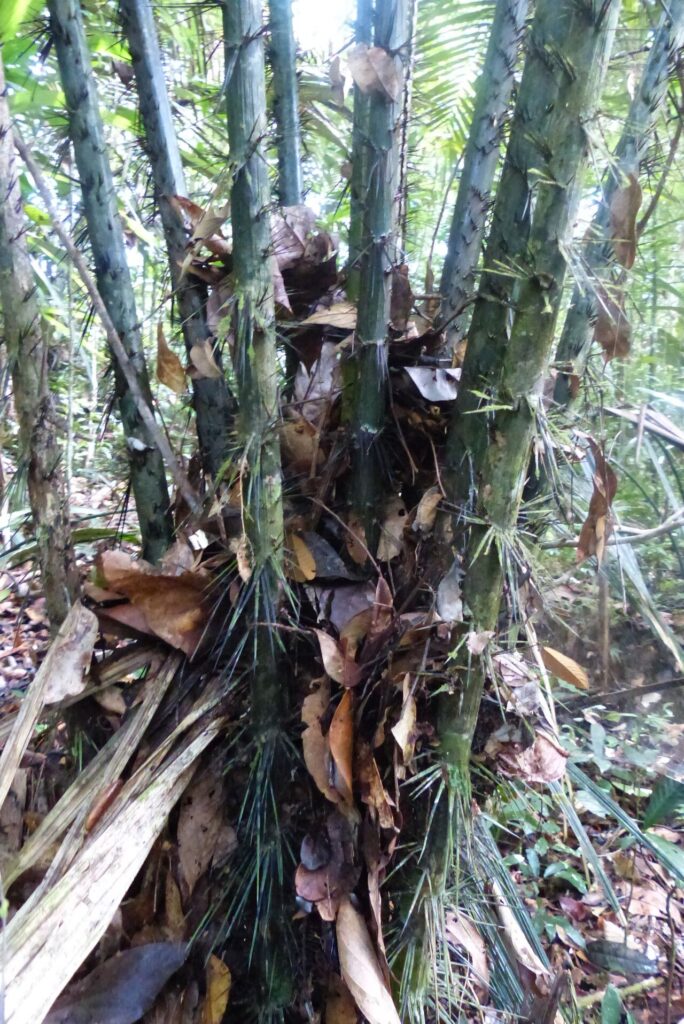
Propagating Astrocaryum sciophilum: A Challenging but Rewarding Endeavor
Astrocaryum sciophilum, commonly known as the shade acai (although not a true acai), is a striking palm prized for its attractive, dark green foliage and tolerance of shade. This makes it a desirable addition to shady gardens in tropical and subtropical climates. Its relatively rare presence in cultivation, however, contributes to its unique horticultural significance and makes its propagation a particularly engaging, albeit challenging, pursuit. While seed germination is possible, other methods present further complications. Let’s explore the various propagation techniques:
Seed Germination:
Seed germination is a viable method for Astrocaryum sciophilum, although it presents several challenges. Fresh seeds are crucial for success; seed viability decreases rapidly. The seed coat is quite tough, necessitating pre-treatment to enhance germination. Scarification (carefully nicking or filing the seed coat) combined with soaking in warm water for 24-48 hours is often recommended. Sowing should occur in well-draining, slightly acidic soil mix kept consistently moist but not waterlogged. High humidity is also beneficial, often achieved through propagation trays covered with plastic. Germination can be slow, taking several weeks to several months. Patience is key.
Challenges: Low germination rates, slow germination time, sensitivity to fungal diseases.
Tips: Use fresh seeds, scarify the seed coat, maintain high humidity and consistent moisture, use a well-draining medium.
Rewards: Genetic diversity, potential for cost-effective large-scale propagation.
Cuttings:
Currently, there are no known reliable methods for propagation of Astrocaryum sciophilum via cuttings. The palm’s physiology may not lend itself to vegetative propagation from stem or leaf cuttings. Further research is needed to determine the feasibility of this approach.
Division:
Division is generally not a practical method for Astrocaryum sciophilum propagation. This species doesn’t readily produce offshoots suitable for separation and independent growth like some other palms. Attempting division risks severely damaging the parent plant without a guarantee of successful propagation.
Tissue Culture:
Tissue culture offers a potentially promising pathway for Astrocaryum sciophilum propagation. While research-intensive and requiring specialized equipment and skill, tissue culture offers the potential to rapidly produce large numbers of genetically identical plants. This is particularly important for conserving rare or endangered varieties. However, developing the necessary protocols for successful tissue culture of this species would require significant research and expertise in plant tissue culture techniques.
Challenges: High costs, specialized expertise needed, potential for contamination.
Tips: Collaborate with experienced tissue culture labs.
Rewards: Rapid multiplication, production of disease free plantlets, potential for large scale propagation.
Conclusion:
Propagating Astrocaryum sciophilum offers a unique challenge for even experienced plant propagators. While seed germination is possible, it demands patience and careful attention to detail. Cuttings and division are currently impractical. Tissue culture holds the most promise for achieving large-scale propagation but requires significant resources and expertise. The difficulties inherent in propagating this species, however, add to the satisfaction of successfully cultivating it. Seeing a tiny seed germinate or a tissue culture plantlet develop into a thriving palm is undoubtedly rewarding. For aspiring propagators, patience, perseverance, and a willingness to learn from both successes and setbacks are essential components of the journey. Remember to start with fresh, healthy seed and rigorously follow sterility protocols if attempting tissue culture. Success may not be immediate, but the rewards of cultivating this shade-loving gem are well worth the effort.