
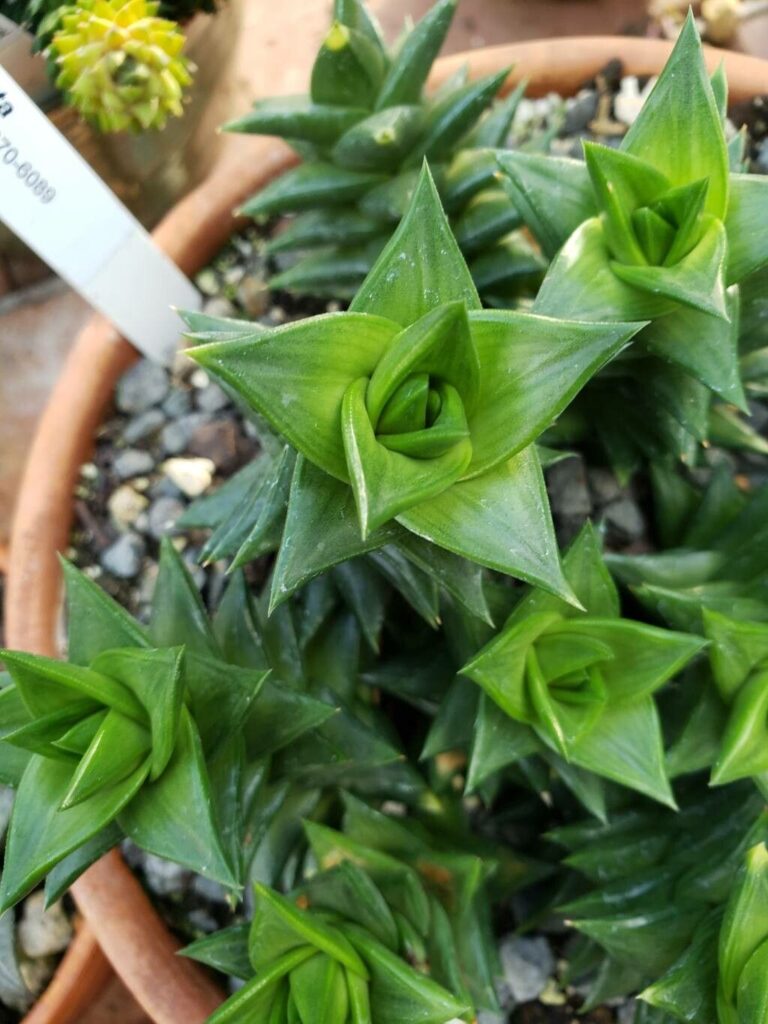
Propagating Astroloba congesta: A Gardener’s Guide to the "Spiral Aloe"
Astroloba congesta, commonly known as the Spiral Aloe (though not a true aloe), is a captivating succulent prized for its unique, spiralling leaves. Its compact rosette form and architectural beauty make it a highly sought-after plant among succulent enthusiasts. However, its propagation presents certain challenges, making successful cultivation all the more rewarding. This article explores the various methods available, weighing their advantages and drawbacks.
Seed Germination:
Currently, there are no known reliable methods for seed germination propagation of Astroloba congesta. While the plant does produce seeds, germination rates are extremely low, and successful seedling establishment is rarely reported. Factors such as dormancy periods and specific microclimatic needs for germination remain largely uncharted, hindering the widespread use of seed propagation for this species.
Cuttings:
Propagating Astroloba congesta from cuttings is also generally considered unreliable. While some individuals report limited success with stem cuttings, the success rate remains low. The plant’s slow growth and susceptibility to rot make the process challenging. Even with careful preparation (allowing callus formation before planting in well-draining substrate) and optimal growing conditions (bright, indirect light and minimal watering), rot often proves insurmountable.
Division:
Division offers the most reliable method for propagating Astroloba congesta. Mature plants often produce offsets or "pups" at their base. These can be carefully separated from the mother plant, ensuring each division has its own root system or a substantial portion of roots. The success of this method depends heavily on the careful handling of the offsets to prevent damage to the roots and leaves. Planting the divisions in well-draining soil, allowing them to dry slightly before watering, and providing sufficient bright but indirect sunlight increases the chances of survival and establishment. The rewards include a relatively fast propagation method, producing genetically identical plants to the parent.
Tissue Culture:
Tissue culture presents a potentially promising, albeit complex and specialized, method for Astroloba congesta propagation. This laboratory-based technique involves growing plant tissues in a sterile environment on a nutrient medium. While potentially capable of mass production, it requires significant expertise, specialized equipment, and aseptic conditions – making it primarily suitable for commercial or research purposes, rather than the average hobbyist.
Conclusion:
Propagating Astroloba congesta presents several hurdles. Seed germination and cuttings remain largely unreliable. Division offers the most practical approach for home gardeners, allowing for the relatively straightforward increase of this beautiful succulent. Tissue culture represents a potential avenue for large-scale propagation but requires significant resources and skill. The difficulties involved only serve to heighten the sense of accomplishment derived from successfully propagating this unique plant. Patience, careful attention to detail in providing good drainage and the right amount of sunlight, and a cautious approach are key to success. Don’t be discouraged by initial setbacks; with persistence, even the most challenging succulents can reward your efforts with breathtaking growth and the satisfaction of cultivating a plant so uniquely beautiful.