
Propagating the Star Cactus: A Guide to Astrophytum asterias
Introduction:
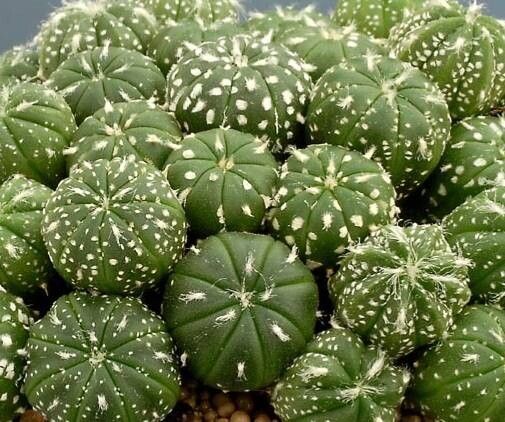
Astrophytum asterias, commonly known as the Star Cactus or Sand Dollar Cactus, is a highly sought-after succulent prized for its unique, star-shaped body and understated elegance. Its flattened, globular form, typically exhibiting five to eight ribs, showcases a subtle, almost velvety texture punctuated by white flecks. This distinctive appearance, coupled with its relatively slow growth, has cemented its place as a favorite among cactus enthusiasts. However, propagating this captivating plant presents unique challenges. Its relatively low seed production and slow growth rate mean successful propagation requires patience and precision. Unique to its propagation is the need to consider the delicate nature of its seedlings, making them susceptible to rot and fungal infections.
Seed Germination:
Seed germination is a viable method for propagating Astrophytum asterias. However, it’s not without its challenges.
Challenges: Seeds are notoriously slow to germinate, and germination rates can be low. Seedlings are highly susceptible to damping-off (fungal diseases causing rotting at the soil line), especially in humid conditions.
Practical Tips: Use a well-draining cactus and succulent potting mix. Sow seeds thinly onto the surface of the mix, avoiding burying them deeply. Maintain a consistently warm temperature (around 25-30°C or 77-86°F) and provide bright, indirect light. Gentle bottom watering is preferred to prevent dampening off. Consider pre-treating the seeds with a fungicide to minimize fungal issues. Stratification is generally not necessary for Astrophytum asterias seeds.
Rewards: Seed-grown plants offer the highest degree of genetic diversity, allowing for a broader range of variation within the species. This also creates opportunities for potential hybridisation with other Astrophytum species. Successful propagation from seed is intensely satisfying, leading to potentially large numbers of cacti across a generation.
Cuttings:
Currently, there are no known reliable methods for propagation of Astrophytum asterias from cuttings. The plant’s structure and growth habit don’t lend themselves to successful cutting propagation.
Division:
Currently, there are no known reliable methods for propagation of Astrophytum asterias via division. The plant’s single-stemmed nature prevents division as a viable propagation method.
Tissue Culture:
Tissue culture is a viable, albeit technically demanding, method for propagating Astrophytum asterias.
Challenges: Tissue culture requires specialized equipment, sterile techniques, and a detailed understanding of plant tissue culture protocols. Contamination is a significant risk, potentially leading to the loss of entire cultures.
Practical Tips: Sterile conditions are paramount. Experienced professionals in cactus tissue culture should be consulted. Appropriate growth media and hormone concentrations must be precisely tailored to the plant’s requirements.
Rewards: Tissue culture allows for the rapid and large-scale propagation of genetically identical plants, preserving desirable traits. This method offers the potential for mass production, particularly for rare or coveted cultivars.
Conclusion:
Propagating Astrophytum asterias presents a unique set of challenges, varying widely across available methods. While seed propagation offers the reward of genetic diversity but demands patience and careful attention to detail, and tissue culture provides rapid multiplication at the cost of high technical knowledge, cuttings and division aren’t feasible. The potential rewards – the proliferation of these beautiful plants and the satisfaction of overcoming the challenges – significantly outweigh the difficulties for dedicated enthusiasts. Remember, patience and meticulous care are key to success. The unique satisfaction derived from nurturing a tiny seedling into a mature Star Cactus, or from successfully establishing a tissue culture, is a testament to the cultivator’s dedication and a true reward in itself. So, embrace the challenge and enjoy the journey of cultivating this fascinating plant!