
Propagating the Bishop’s Hat: A Guide to Astrophytum coahuilense Cultivation
Introduction:
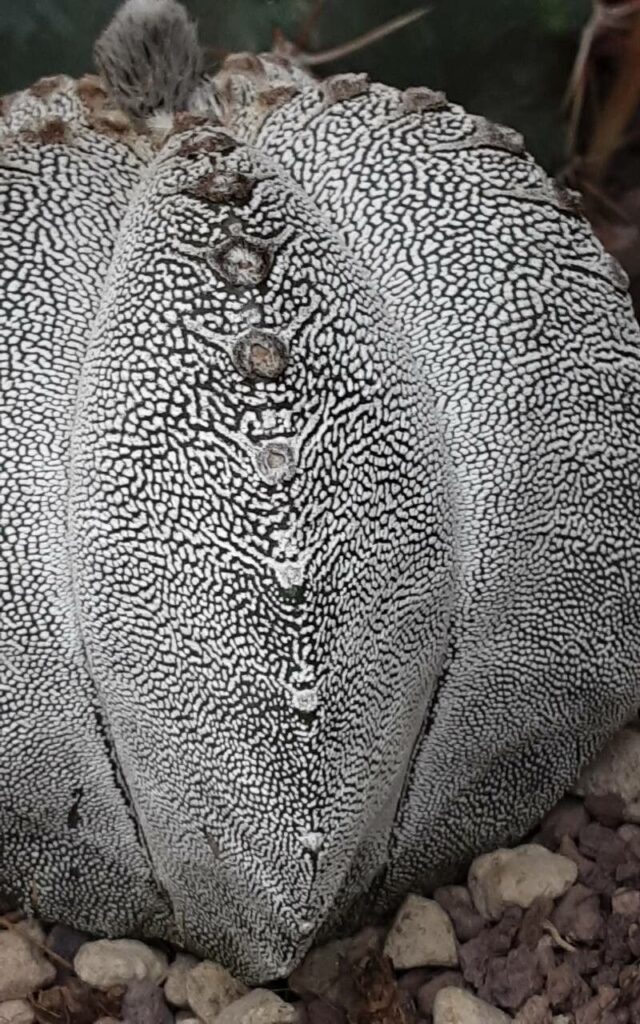
Astrophytum coahuilense, commonly known as the Bishop’s Hat cactus, is a captivating succulent prized for its striking appearance. Its spherical to slightly cylindrical body, adorned with distinctive white flecks arranged in vertical lines, makes it a highly sought-after addition to many cactus collections. The plant’s relative rarity in the wild and slow growth contributes to its horticultural significance and popularity among cacti enthusiasts. However, propagating this species presents unique challenges due to its specific environmental needs and relatively low reproductive rates. This article explores different propagation methods, highlighting both the rewards and difficulties involved.
Seed Germination:
Seed germination is a viable method for propagating Astrophytum coahuilense, although it’s not always straightforward.
Challenges: Seeds are often slow to germinate and require specific conditions. Successful germination rates are variable and depend heavily on factors like seed freshness, sowing medium, and temperature.
Practical Tips: Fresh seeds are crucial. Sow seeds in a well-draining seed-starting mix (e.g., cactus and succulent potting mix with added perlite) in a shallow container. Maintain a consistently warm temperature (25-30°C/77-86°F) and high humidity (using a humidity dome or covering the container with plastic wrap). Avoid overwatering; misting the surface is often sufficient. Stratification (cold treatment) is generally not necessary for Astrophytum coahuilense seeds.
Rewards: Successful germination yields genetically diverse plants, offering the potential for a large-scale propagation of this attractive species, providing opportunities for selective breeding and conservation efforts.
Cuttings:
Currently, there are no known reliable methods for propagation of Astrophytum coahuilense via cuttings. This species does not readily produce offsets or branches suitable for vegetative propagation.
Division:
Currently, there are no known reliable methods for propagation of Astrophytum coahuilense via division. The plant’s solitary growth habit makes division impractical.
Tissue Culture:
Tissue culture offers a potential, though technically advanced, approach to propagating Astrophytum coahuilense.
Challenges: Establishing sterile tissue culture conditions and selecting appropriate growth media is essential. This method requires specialized equipment, knowledge of plant tissue culture techniques, and a clean laboratory environment to prevent contamination.
Practical Tips: Successful tissue culture requires expertise and access to specialized facilities. This is generally not a technique suitable for home propagators.
Rewards: Tissue culture allows for the rapid multiplication of desirable genotypes and offers the possibility of large-scale propagation for commercial or conservation purposes.
Conclusion:
Propagating Astrophytum coahuilense presents a spectrum of difficulties, ranging from the relatively accessible (though still challenging) seed germination to the highly specialized world of tissue culture. While vegetative propagation appears infeasible currently, seed germination offers a feasible, albeit slow and sometimes unpredictable, route to success. The rewards are well worth the effort, however: successfully nurturing a Bishop’s Hat cactus from seed is a deeply satisfying experience. Understanding the plant’s needs, providing the optimal growing conditions, and patiently awaiting germination and growth are all key components of this rewarding journey. For aspiring propagators, starting with fresh seeds and carefully following the guidelines for seed germination, combined with patience and persistence, is the most promising path towards successfully cultivating these unique and beautiful cacti. The journey itself, from tiny seedling to mature plant, is a testament to the dedication of the grower and the resilience of this remarkable species.