
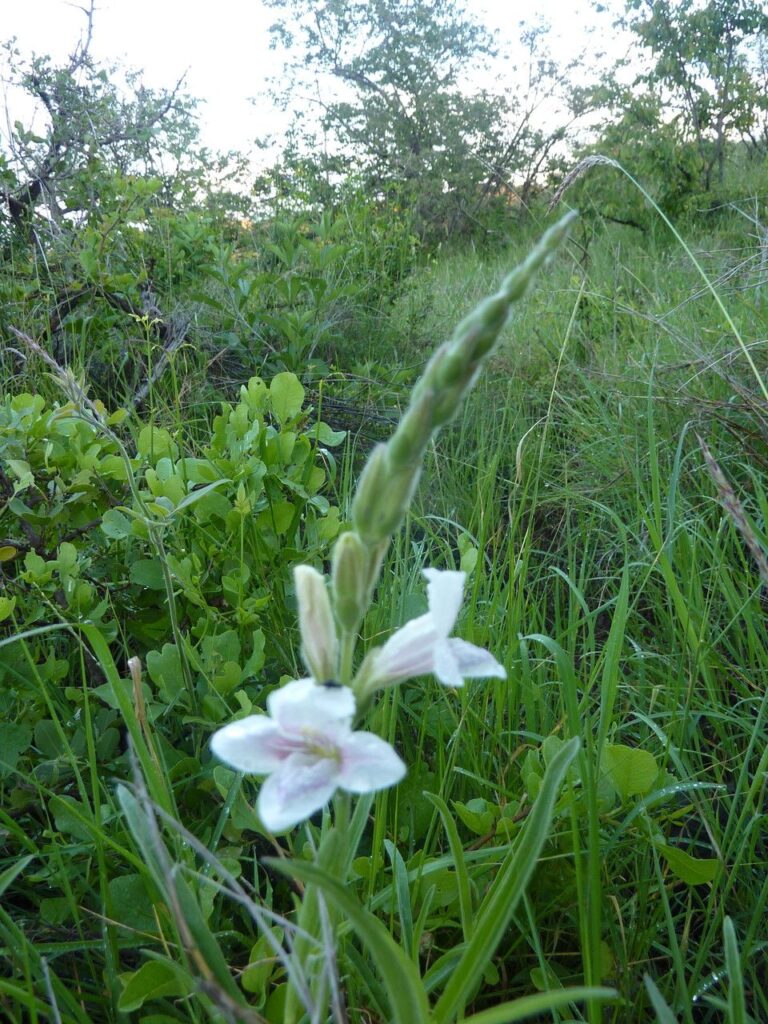
From Snipping to Thriving: The Easy Guide to Propagating Asystasia Latipcapsula
The Asystasia latipcapsula, also known as the “Chinese Violet”, is a vibrant and easy-to-grow plant, perfect for adding a splash of color to any garden or home. But what if you wanted to share this beautiful plant with friends or simply expand your own collection? That’s where propagation comes in!
This guide will break down how to successfully propagate Asystasia latipcapsula using two simple methods: stem cuttings and seed starting.
Stem Cuttings: Quick and Easy
Stem cuttings are the easiest and most popular method for propagating Asystasia latipcapsula. Here’s how to do it:
-
Select a healthy stem. Look for a non-flowering, sturdy stem with at least a few nodes (the points where leaves grow). Cut the stem just below a node, aiming for a length of 4-6 inches.
-
Prepare the cuttings. Remove the lower leaves from the stem. Use a sharp knife or scissors to make a clean cut. You can dip the cut end in rooting hormone, but it’s not necessary.
-
Plant your cuttings. Fill a small pot with a well-draining potting mix, like a blend of peat moss and perlite. Make a hole in the soil with a pencil, and insert the cut end of the stem into the hole. Gently pack the soil around the base of the stem.
-
Water and maintain. Water the cuttings thoroughly and place them in a bright spot, out of direct sunlight. Keep the soil consistently moist, but not soggy.
- Be patient. Within a few weeks, you should see roots forming on the cuttings. Once the roots are established, you can transplant the new plants into individual containers or into your garden.
Seed Starting: A Slower But Rewarding Process
Growing Asystasia latipcapsula from seed is a bit more time-consuming than stem cuttings, but it can be a fun and rewarding experience. Here’s how to do it:
-
Gather Seeds. You can collect seeds from mature seed pods on your existing Asystasia latipcapsula plant. They are small, round, and dark brown when ripe.
-
Prepare the Seedbed. Fill a seed tray or small pots with a seed starting mix. Moisten the mix thoroughly.
-
Sow the Seeds. Scatter the seeds on the surface of the seedbed, keeping them spaced about an inch apart. Lightly cover the seeds with a thin layer of potting mix.
-
Moist and Warm. Keep the seedbed consistently moist, but not soggy. Place it in a warm, bright spot, ideally where temperatures remain between 70-75 degrees Fahrenheit.
-
Germination. Germination can take anywhere from 10 to 14 days. Once seedlings have emerged, you can start to gradually acclimate them to full sunlight.
- Thinning and Transplanting. When the seedlings develop a few true leaves, thin them out, leaving the strongest ones to grow. Once the seedlings are a few inches tall, you can transplant them into individual pots or into your garden.
Tips for Success:
- Choose the right potting mix. A well-draining potting mix is crucial for successful propagation. Avoid using garden soil, as it can be too compacted and hold too much moisture, leading to root rot.
- Provide adequate moisture. While the soil should be moist, don’t overwater, as this can also lead to root rot.
- Give your plants plenty of light. Asystasia latipcapsula thrives in bright, indirect light.
- Be patient. Propagation takes time, so don’t be discouraged if you don’t see results immediately.
With a little patience and effort, you can easily propagate Asystasia latipcapsula and fill your home and garden with beautiful, flowering plants. Enjoy the process and the beauty of this versatile and rewarding species!