
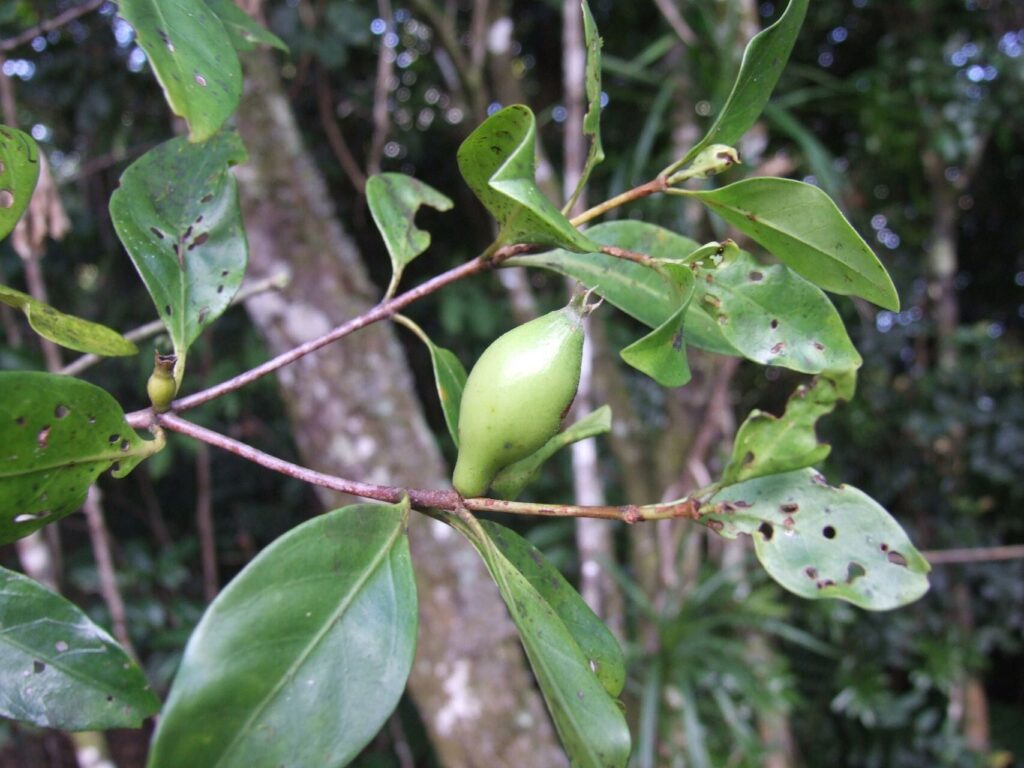
Unveiling the Secrets: How to Propagate the Exquisite Atractocarpus pseudoterminalis
The Atractocarpus pseudoterminalis, also known as the Yellow Mangosteen or Lemon Cheesefruit, is a captivating tropical plant treasured for its glossy foliage, intoxicatingly fragrant flowers, and uniquely flavored fruit. While relatively uncommon outside its native range, this evergreen beauty is gaining popularity among plant enthusiasts seeking something truly special. If you’re ready to embark on the journey of propagating your very own Atractocarpus pseudoterminalis, we’re here to guide you through the process.
Two Paths to Propagation:
Like many plants, Atractocarpus pseudoterminalis can be propagated through two main methods: seeds and cuttings. Each method has its own set of advantages and drawbacks. Let’s explore both:
1. Seed Propagation: Patience is a Virtue
Propagating from seed is like welcoming the magic of nature to unfold in your own home. However, it demands patience, as Atractocarpus pseudoterminalis seeds are known to be slow to germinate.
Here’s a step-by-step guide:
- Source the Seeds: Obtain fresh, viable seeds from ripe fruit. Look for plump, healthy seeds without any signs of damage.
- Prepare the Potting Mix: Sow the seeds in a well-draining seed-starting mix. Atractocarpus pseudoterminalis prefers slightly acidic soil.
- Sow and Water: Plant the seeds about half an inch deep in the moist potting mix. Be sure to keep the soil consistently moist but not waterlogged.
- Provide Warmth and Humidity: These tropical plants thrive in warmth and humidity. Use a heat mat and a humidity dome or mist regularly to create a greenhouse-like environment.
- Exercise Patience (Lots of it!): Germination can take anywhere from a few weeks to several months. Don’t lose hope!
2. Cuttings: A Faster Route to Success
For those seeking quicker results, propagating from cuttings might be the preferred route.
Follow these instructions:
- Choose Healthy Stems: Select semi-hardwood cuttings from healthy, disease-free stems. Ideally, opt for stems that haven’t flowered yet.
- Prepare the Cuttings: Make a clean cut below a node (where the leaf attaches to the stem). Remove the lower leaves to prevent them from rotting.
- Hormone Treatment (Optional): Dip the cut end of the stem in rooting hormone powder to encourage root development. While not essential, it can significantly improve your chances of success.
- Plant in Well-Draining Media: Insert the treated cutting into a pot filled with a well-draining potting mix. A mixture of peat moss, perlite, and vermiculite works well.
- Provide Warmth, Humidity, and Light: Place the pot in a warm, humid location with bright, indirect light. Again, a humidity dome or regular misting can be beneficial.
- Be Patient and Observe: It may take several weeks for roots to develop. Once the cutting shows signs of new growth, you’ll know it has successfully rooted.
Key Takeaways:
Propagating Atractocarpus pseudoterminalis is an immensely rewarding experience for plant enthusiasts. Whether you choose to embark on the journey through seed or cuttings, remember to arm yourself with knowledge, patience, and a sprinkle of TLC. By following these guidelines and catering to the plant’s needs, you’ll increase your chances of success and soon be reveling in the exquisiteness of your own homegrown Atractocarpus pseudoterminalis.