
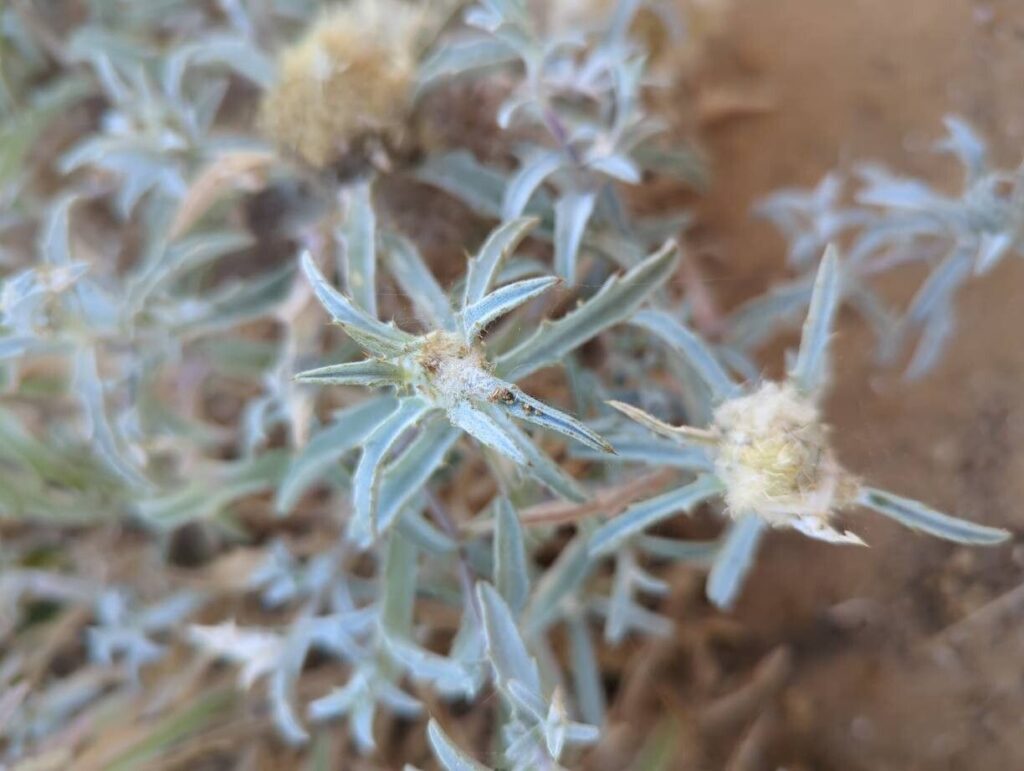
Taming the Thistle: Successfully Propagating Atractylis carduus
Atractylis carduus, the intriguing thistle known for its striking appearance and medicinal properties, might seem daunting to propagate. However, don’t let its prickly exterior fool you! With a bit of patience and the right techniques, you can cultivate this Mediterranean beauty in your own garden.
This guide dives deep into the two primary propagation methods for Atractylis carduus:
Method 1: Seed Propagation
- Timing is Everything: Timing is crucial for the best germination rates. Sow your Atractylis carduus seeds in early spring, as the soil begins to warm up after the last frost.
- Sowing the Seeds: Choose a well-draining seed starting mix, preferably one that mimics the sandy, rocky conditions this thistle favors in the wild. Sow the seeds shallowly, about ¼ inch deep, and mist the soil gently.
- Creating the Ideal Environment: For optimal germination, provide a warm environment with temperatures around 70-75°F (21-24°C). A seedling heat mat can be helpful in maintaining consistent warmth.
- Patience is Key: Atractylis carduus seeds can be slow to germinate, sometimes taking up to 4 weeks or longer. Don’t despair if you don’t see sprouts immediately! Maintain consistent moisture and be patient – your efforts will be rewarded.
- Thinning for Success: Once your seedlings have a few sets of true leaves, thin them out to allow for adequate spacing (about 12 inches apart). This ensures each plant has sufficient room to grow and thrive.
Method 2: Root Cuttings
- The Right Time and Place: Take root cuttings in late fall or early winter when the plant is dormant. Choose healthy, mature plants for the best results.
- Taking the Cutting: Carefully dig around the base of the plant, exposing a portion of the root system. Select a healthy, pencil-thick root and use a sharp, sterilized knife to cut a 4-6 inch long section.
- Hormone Power: While not strictly necessary, dipping the cut end of the root in rooting hormone powder can significantly increase your chances of success.
- Planting and Patience: Plant the root cutting vertically in a pot filled with a well-draining, sandy potting mix, ensuring the top of the cutting is level with the soil surface. Water it in well and place it in a sheltered location away from direct sunlight.
- Spring Awakening: As spring approaches, you should start to see new growth emerging from the soil. Once the danger of frost has passed, you can transplant your rooted cutting into its permanent location in the garden.
Caring for Your Atractylis carduus
Regardless of your chosen propagation method, Atractylis carduus thrives in sunny locations with well-draining soil. These drought-tolerant plants prefer infrequent, deep watering once established.
While relatively pest and disease-free, be sure to monitor for aphids or powdery mildew, addressing any issues promptly with organic solutions.
Reaping the Rewards
Propagating Atractylis carduus may require some effort, but the rewards are well worth it. By mastering these techniques, you can introduce this unique, low-maintenance thistle to your garden and enjoy its beauty and medicinal properties for years to come.