
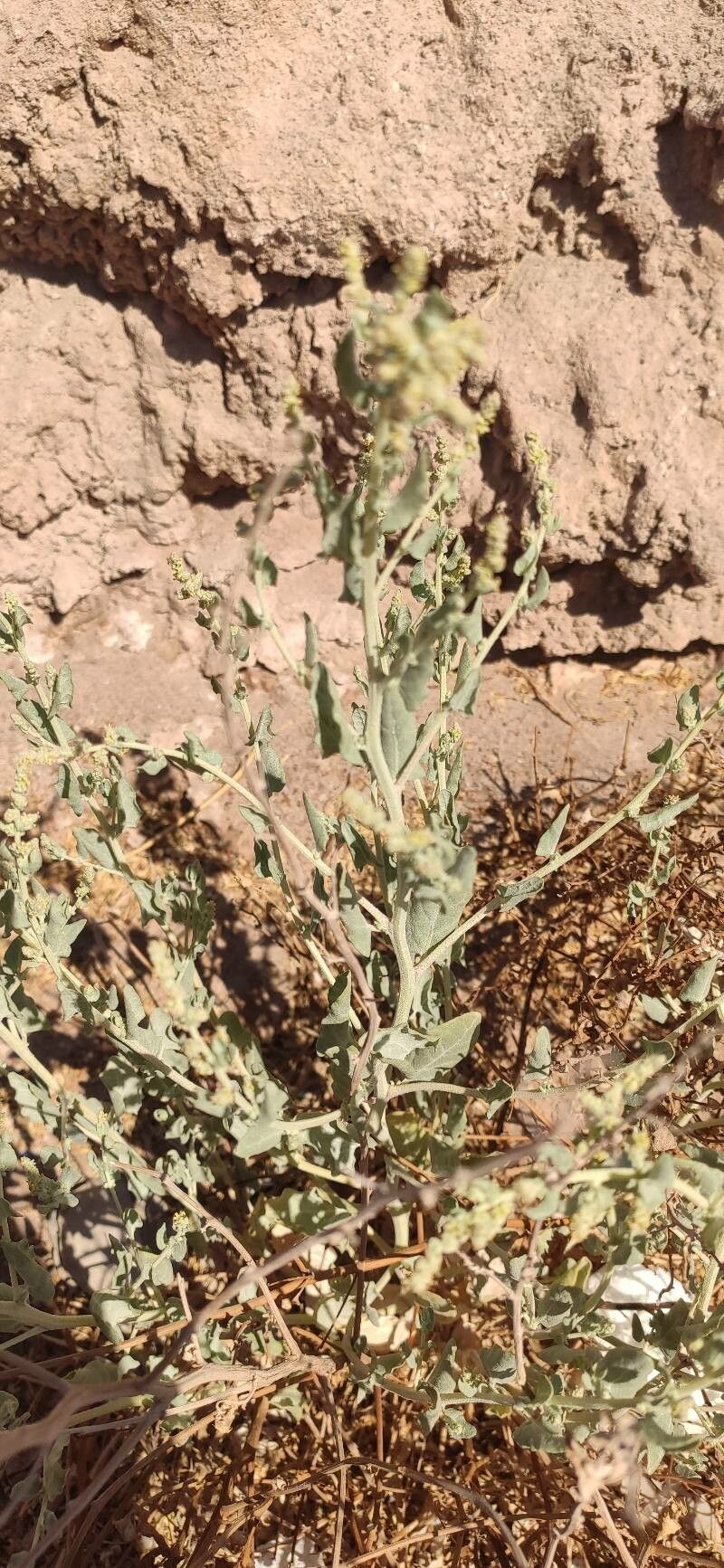
Taming the Desert Bloom: How to Propagate Atriplex atacamensis
The Atacama Desert, one of the driest places on Earth, might seem like an unlikely place to find thriving life. Yet, Atriplex atacamensis, also known as the “saltbush” or “lomas plant,” not only survives but flourishes in this harsh environment. This resilient shrub, with its silvery-green leaves and remarkable salt tolerance, isn’t just for botanists to admire. Increasingly, Atriplex atacamensis is gaining attention for its potential in xeriscaping, ecological restoration, and even as a nutritious food source.
Interested in cultivating your own piece of the Atacama? While finding established plants might be tricky, propagation offers a rewarding way to introduce this fascinating species to your garden.
Two Paths to Success: Seeds vs. Cuttings
Atriplex atacamensis can be propagated through two primary methods:
1. Seed Germination: A Test of Patience
- The Challenge: Seeds of Atriplex atacamensis have a reputation for being somewhat challenging to germinate, often exhibiting erratic germination rates. This is due in part to their natural dormancy mechanisms, an adaptation to the unpredictable rainfall patterns of their native habitat.
- The Solution: Breaking Dormancy
- Scarification: Gently rub the seeds on sandpaper or nick them lightly with a nail clipper to break the hard seed coat and allow moisture penetration.
- Stratification: Mimicking a winter period by placing the seeds in a moist paper towel inside your refrigerator (around 4°C) for a few weeks before sowing can enhance germination.
- Sowing: Use a well-draining seed starting mix, keep the soil consistently moist but not waterlogged, and provide warmth (around 20-25°C). Germination can take anywhere from a few weeks to a few months, so patience is key!
2. Cuttings: A Faster Route to Success
- The Advantage: Taking cuttings offers a faster and more reliable method compared to seed propagation.
- The Technique:
- Timing: Spring or early summer is ideal for taking cuttings.
- Selection: Choose healthy, non-flowering stems.
- Preparation: Cut a 4-6 inch section from the tip of the stem, remove the lower leaves, and dip the cut end in rooting hormone (optional but helpful).
- Planting: Insert the cuttings into a well-draining potting mix, water thoroughly, and keep them in a warm, bright location.
- Rooting: Within a few weeks, the cuttings should develop roots and show signs of new growth.
Caring for Your Atacama Gem:
Once your Atriplex atacamensis plants are established, they are remarkably low-maintenance:
- Light: Full sun is ideal for these sun-loving plants.
- Water: While incredibly drought-tolerant once established, they will benefit from occasional deep watering, especially during prolonged dry spells.
- Soil: Well-draining, sandy or gravelly soil is ideal.
- Fertilizer: These plants are adapted to low-nutrient environments and generally do not require fertilizing.
More Than Just a Pretty Plant:
Cultivating Atriplex atacamensis isn’t just rewarding for its unique beauty and resilience. These plants provide habitat for wildlife, play a role in stabilizing fragile desert ecosystems, and their leaves can even be used as a nutritious, salty addition to salads or cooked as a spinach substitute. By learning to propagate Atriplex atacamensis, you participate in a growing movement to appreciate, conserve, and integrate this amazing plant into our world.