
Propagating Four-Wing Saltbush (Atriplex canescens): A Gardener’s Guide
Introduction
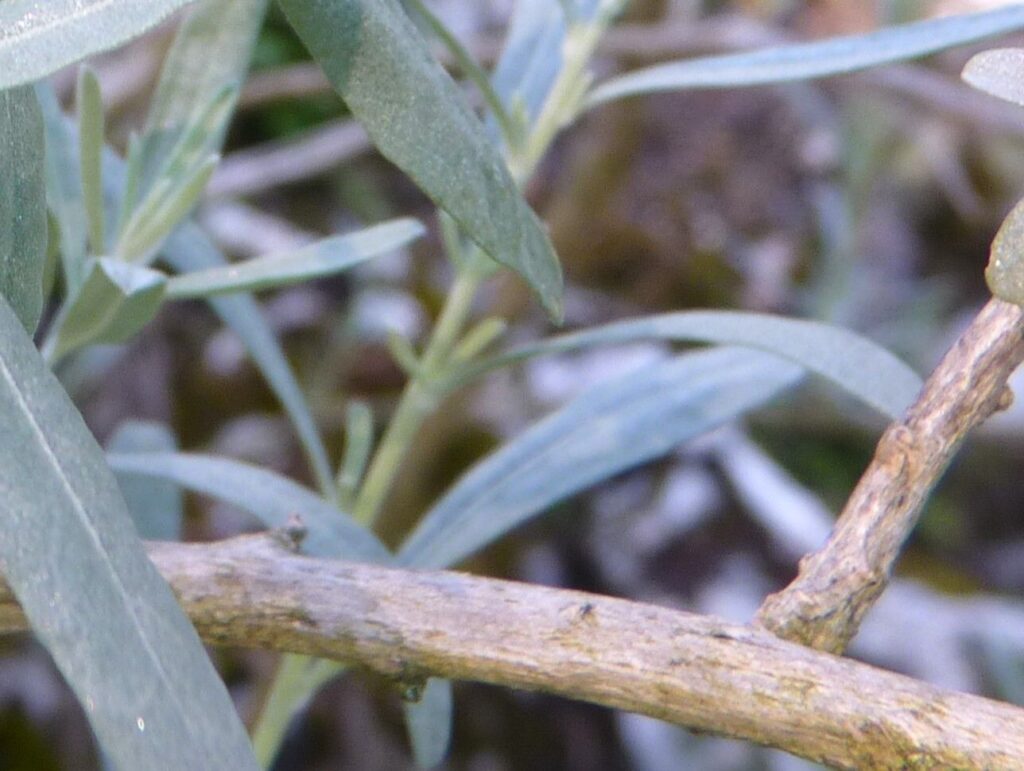
Atriplex canescens, commonly known as four-wing saltbush, is a hardy, drought-tolerant shrub prized for its resilience and ecological importance. This native North American plant boasts silvery-green foliage and inconspicuous flowers, making it a valuable addition to xeriscapes, erosion control projects, and wildlife gardens. Its ability to thrive in harsh conditions, coupled with its nitrogen-fixing capabilities, contributes to soil health. Its popularity among gardeners stems from its low maintenance requirements and attractive appearance, although propagating it can present some unique challenges.
Seed Germination
Seed germination is a viable method for propagating Atriplex canescens, but it presents some difficulties. The seeds have dormancy mechanisms that can hinder germination.
Challenges: Four-wing saltbush seeds often exhibit a period of dormancy, requiring specific conditions to break this dormancy. Germination rates can be low, and seedling establishment can be fragile.
Practical Tips: Pre-treating seeds before sowing significantly improves germination rates. This often involves scarification (lightly scratching the seed coat) or stratification (exposing seeds to cold, moist conditions for several weeks). Sow seeds in well-draining soil mix, keeping the soil consistently moist but not waterlogged. Maintain a warm temperature (around 20-25°C). Seedlings should be protected from harsh sunlight and frost. Direct sowing outdoors in the fall is also possible in appropriate climates.
Rewards: Successfully germinating four-wing saltbush seeds provides access to a high degree of genetic diversity, making it an ideal approach for large-scale propagation, particularly for restoration projects.
Cuttings
Propagating Atriplex canescens from cuttings is possible, although success rates vary.
Challenges: Hardwood cuttings are generally more successful than softwood. Rooting can be slow and inconsistent. The cuttings are susceptible to fungal diseases if humidity isn’t properly managed.
Practical Tips: Take semi-hardwood cuttings in late summer or early autumn. Use a rooting hormone to increase success rates. Plant cuttings in a well-draining rooting medium, maintaining a consistently damp environment. A humidity dome or propagation chamber can improve rooting success. Protect cuttings from direct sunlight.
Rewards: Cuttings from a desirable mother plant maintain the exact genetic characteristics of the parent plant, offering predictable results. This method is suitable for smaller-scale propagation and maintaining specific cultivars.
Division
Division is another feasible, but limited, method for propagating Atriplex canescens.
Challenges: Four-wing saltbush does not develop readily divisible clumps like some other plants. Existing plants need to be fairly large to allow for effective division. Newly divided sections can be slow to establish compared to other propagation methods.
Practical Tips: Ideally, perform division in early spring or autumn. Ensure each section has a healthy root system. Replant divisions immediately into well-prepared soil, keeping them well-watered until established.
Rewards: This offers a relatively straightforward method for increasing the number of plants when a mature, sizeable specimen is available.
Tissue Culture
Currently, there are no widely available or proven reliable methods for tissue culture propagation of Atriplex canescens. Research in this area is ongoing but has not yet yielded commercially viable techniques.
Conclusion
Propagating four-wing saltbush presents unique challenges across all methods, but the rewards are significant. Seed germination offers greater genetic diversity but requires patience and careful technique. Cuttings offer consistency but require diligent management. Division is limited by plant size. The difficulties involved in propagating this plant only amplify the satisfaction derived from successfully establishing new plants. The persistence required cultivates a deeper appreciation for its resilience, mirroring the plant’s own tenacity in harsh environments. For aspiring propagators, remember that patience, meticulous attention to detail, and understanding the plant’s specific needs are key to success. Don’t be discouraged by initial setbacks; learning from each attempt brings you closer to enjoying the unique rewards of nurturing these remarkable plants.