
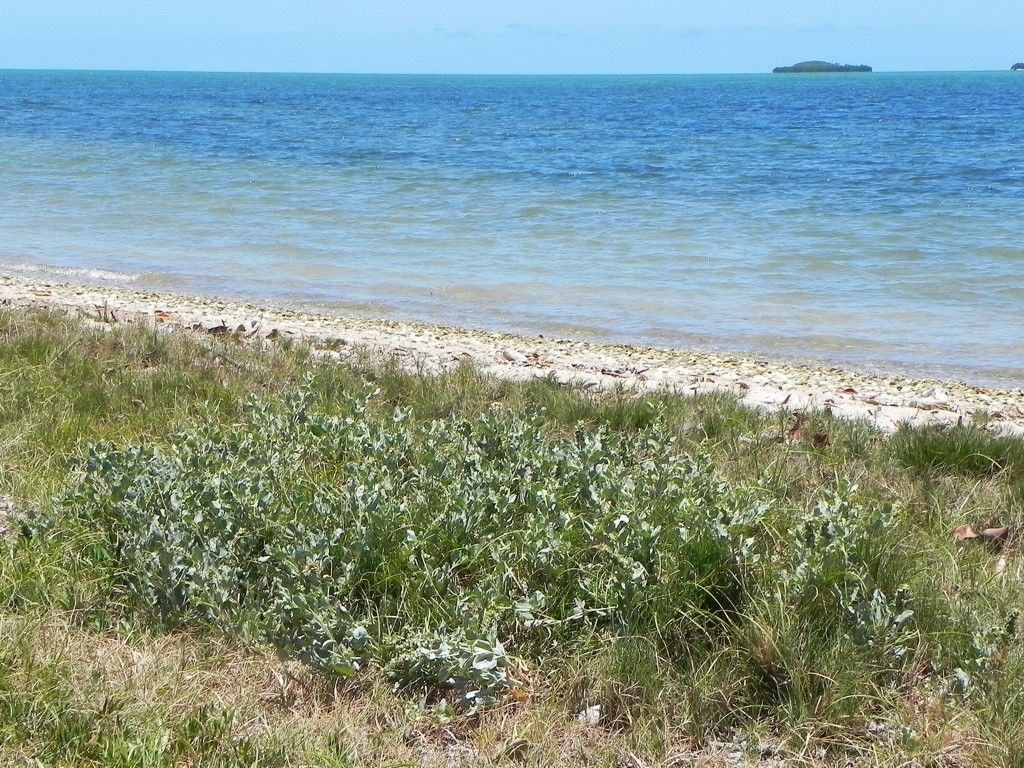
Propagating Atriplex jubata: The Challenges and Rewards of Cultivating the Sea-oats Saltbush
Introduction
Atriplex jubata, commonly known as sea-oats saltbush, is a striking succulent shrub prized for its silvery-grey foliage and unique, almost feather-like appearance. Its tolerance to drought, salt, and poor soils makes it a popular choice among gardeners, particularly in coastal or arid regions. However, propagating this attractive plant presents several challenges, necessitating a careful approach. While its resilience in the landscape is well-established, its propagation isn’t always straightforward. This article explores different propagation methods to help gardeners successfully cultivate Atriplex jubata.
Seed Germination
Seed germination for Atriplex jubata is possible but often presents significant challenges. Germination rates can be notoriously low, and success often depends on mimicking the plant’s natural germination conditions.
Challenges: Seeds may require stratification (a period of cold, moist storage) to break dormancy. Furthermore, the seeds are small, requiring careful handling to avoid damage. The seedlings are also relatively fragile and susceptible to damping-off (a fungal disease).
Practical Tips: Sow seeds thinly in well-draining seed starting mix. Consider cold stratification for 4-6 weeks at temperatures between 33-40°F (0-4°C) before sowing. Ensure adequate moisture but avoid overwatering, which can lead to damping-off. Maintain a warm (around 70°F/21°C) and bright, but not direct sunlight, environment after sowing.
Rewards: Successful seed germination offers the benefit of genetic diversity, leading to a wider range of plant characteristics. It is also a cost-effective method for large-scale propagation.
Cuttings
Propagation through cuttings is a more reliable method than seed germination for Atriplex jubata.
Challenges: Successful rooting requires specific conditions. Cuttings need to be taken from healthy, actively growing stems. The cuttings are susceptible to rot if not properly cared for.
Practical Tips: Take semi-hardwood cuttings (6-8 inches long) in spring or early summer. Remove lower leaves to prevent rot. Dip the cuttings in rooting hormone before planting them in a well-draining mix (e.g., perlite and peat moss). Provide high humidity and bottom heat (around 70°F/21°C) to promote rooting. Use a propagation dome or plastic bag to maintain humidity.
Rewards: Cuttings generally have a higher success rate than seed propagation and result in plants that are genetically identical to the parent plant, preserving desirable characteristics.
Division
Division is a viable method for established plants.
Challenges: This method is only suitable for mature plants with well-developed root systems. Care must be taken not to damage the roots during division. Re-establishing divided plants requires careful watering and protection from stress.
Practical Tips: Dig up the mature plant carefully, separating the root ball into several sections, each with healthy roots and shoots. Plant the divisions immediately in well-prepared soil. Water thoroughly and provide some shade for a few weeks until the plants re-establish themselves.
Rewards: Division is relatively easy, quick, and provides instant gratification in terms of plant size. Existing plants will also be stronger and healthier after a refreshing division.
Tissue Culture
Currently, there are no widely available or commonly documented methods for tissue culture propagation of Atriplex jubata. Further research would be required to establish reliable protocols.
Conclusion
Propagating Atriplex jubata presents unique challenges depending on the chosen method. Seed germination, while offering genetic diversity, can be unpredictable. Cuttings offer a higher success rate but require specific conditions. Division only applies to mature plants. Tissue culture remains an unexplored avenue. However, the rewards—cultivating this striking and ecologically valuable plant in your own garden—are well worth the effort. Successful propagation of sea-oats saltbush is a testament to the gardener’s patience, skill, and dedication; a rewarding experience enhanced by the challenges overcome. Don’t be discouraged by initial setbacks; persevere, experiment, and with diligent attention, you will be rewarded with the beauty and resilience of Atriplex jubata.