
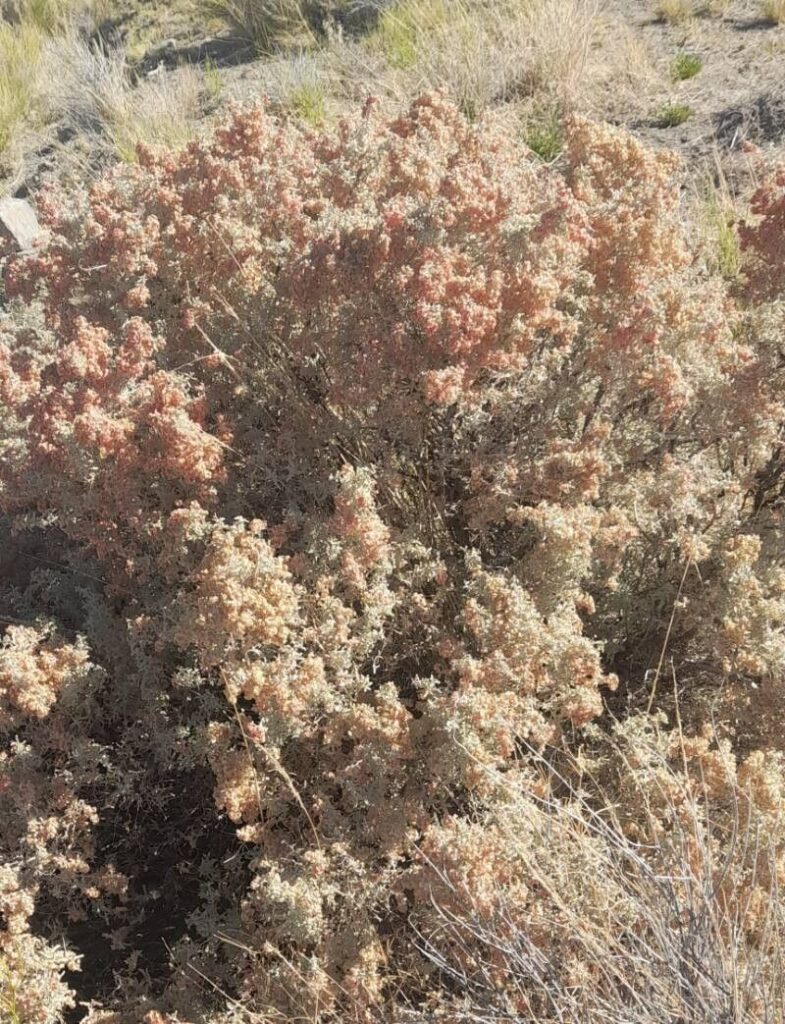
Propagating Atriplex lampa: A Guide to Cultivating the Saltbush
Introduction:
Atriplex lampa, commonly known as shrubby saltbush, is a resilient, drought-tolerant shrub prized for its silvery foliage and ability to thrive in harsh, saline conditions. Its adaptability makes it a popular choice among gardeners seeking low-maintenance, water-wise landscaping options, especially in arid and coastal regions. While its hardiness is a significant advantage, propagating Atriplex lampa presents certain challenges, depending on the chosen method. Its unique characteristics, including its ability to tolerate extreme conditions, mean successful propagation provides a rewarding experience for the dedicated gardener.
Seed Germination:
Seed germination in Atriplex lampa is viable, albeit often challenging. The primary hurdle lies in the seed’s dormancy. Many seeds require a period of stratification – exposure to cold, moist conditions – to break this dormancy.
Challenges: Low germination rates are common even with stratification. Seeds may be slow to germinate, requiring patience.
Practical Tips: Collect seeds from mature plants in the autumn. Stratify the seeds for 6-8 weeks in a moist medium (e.g., vermiculite or peat moss) at temperatures between 2-5°C (35-41°F). Sow seeds in a well-draining seed-starting mix in individual pots or trays. Maintain consistently moist but not waterlogged conditions. A warm (20-25°C or 68-77°F) and bright location (indirect sunlight) is ideal after stratification.
Rewards: Seed propagation offers significant genetic diversity, allowing for a wider range of plant characteristics. It’s also a cost-effective method for producing large numbers of plants for landscaping projects.
Cuttings:
Cuttings are a viable method for propagating Atriplex lampa. Semi-hardwood cuttings taken in late summer or early autumn generally yield the best results.
Challenges: Rooting can be slow and inconsistent. The success rate is highly dependent on maintaining optimal humidity and temperature conditions. Root rot is a common issue if the cuttings are not kept adequately drained.
Practical Tips: Take 8-10cm long cuttings from new growth. Remove lower leaves from the cutting to prevent rotting. Dip the base in a rooting hormone before planting in a well-draining propagating mix. Cover the cuttings with a clear plastic dome or bag to maintain high humidity. Place in a warm (20-25°C or 68-77°F), bright location (but out of direct sunlight). Mist regularly to maintain moisture.
Rewards: Cuttings offer a quicker propagation method compared to seeds, preserving the exact genetic characteristics of the parent plant.
Division:
Division is a viable propagation method, particularly suitable for established plants.
Challenges: Mature Atriplex lampa plants can be difficult to divide, potentially damaging the roots and reducing the survival rate of the divisions.
Practical Tips: Divide the plant in spring or autumn. Carefully dig up the plant, ensuring minimal disturbance to the root system. Divide the root ball into multiple sections, each with its own healthy root system and several stems. Replant the divisions immediately in well-prepared soil, giving them adequate space to grow.
Rewards: This is a relatively quick method for increasing the number of plants from an established specimen.
Tissue Culture:
Currently, there are no widely documented or reliably successful methods for tissue culture propagation of Atriplex lampa. Further research is needed to establish protocols for this technique.
Conclusion:
Propagating Atriplex lampa offers a rewarding challenge for the dedicated gardener. While each method – seed germination, cuttings, and division – presents unique difficulties, the overall rewards of successfully cultivating this hardy and attractive shrub are substantial. Patience, attention to detail, and understanding the specific requirements of each method are key to success. The unique satisfaction derived from nurture a Atriplex lampa from a seed or a cutting, especially considering the plant’s resilience in harsh conditions, makes the effort inherently worthwhile. For aspiring propagators, we encourage experimentation and persistence—the fruits of your labor will be beautifully silvery shrubs thriving in even the most challenging environments.