
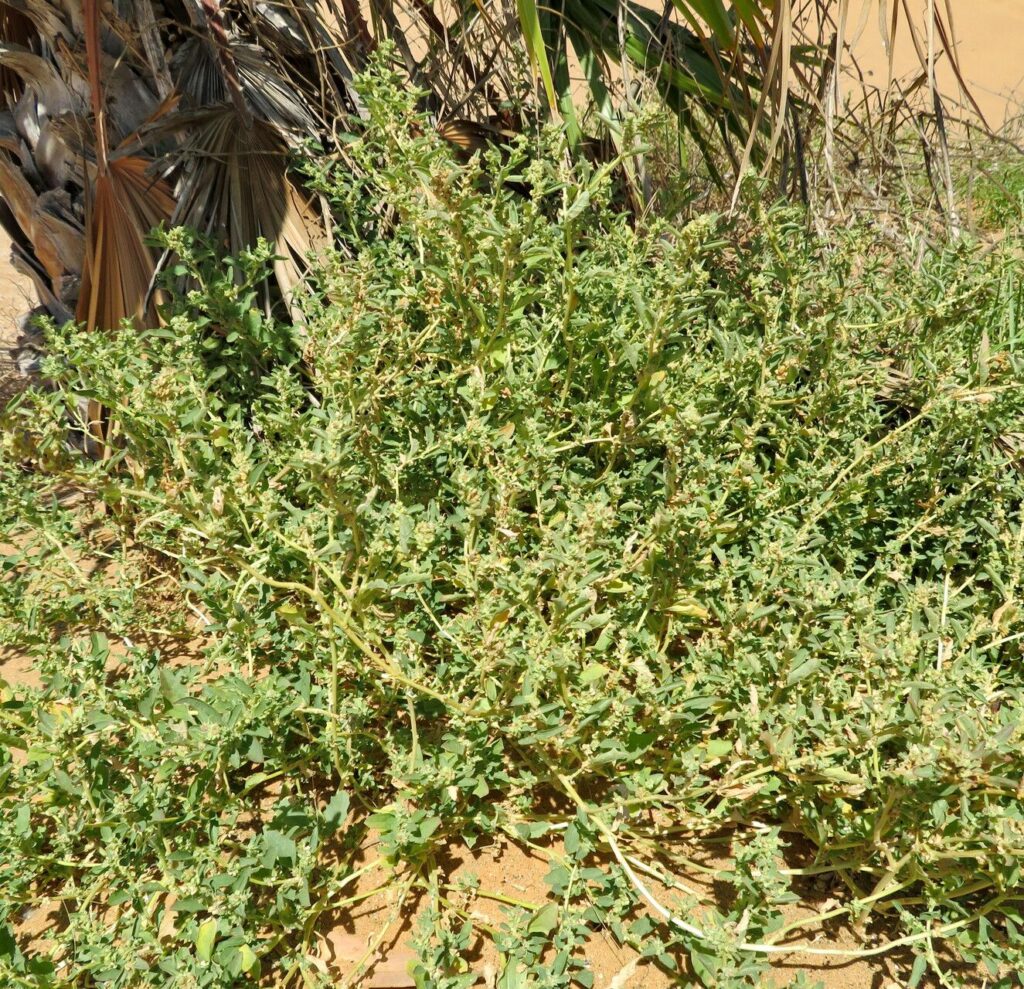
From Seed to Success: Growing the Salt-Tolerant Wonder, Atriplex patula
If you’re looking for a resilient, fast-growing plant with a surprising backstory, look no further than Atriplex patula, also known as orach. This unassuming member of the amaranth family might seem like a simple weed at first glance, but it’s actually a powerful survivor with a long history of human use. And the best part? It’s incredibly easy to propagate.
A History Steeped in Resilience
Orach has been cultivated for centuries, valued for its edible leaves, high nutritional content, and ability to thrive in harsh conditions. Known for its tolerance to salt and drought, orach was a vital food source for many cultures, particularly in coastal regions. Even today, it is used as a nutritious leafy green and a natural source of dye.
Bringing Orach to Your Garden
While you can purchase orach seedlings, the real thrill comes from witnessing its life cycle from seed to mature plant. Here’s your guide to successful orach propagation:
Seed Starting:
- Timing is Key: Start seeds indoors 4-6 weeks before the last frost in your area. Orach thrives in cooler temperatures.
- Light and Soil: Use a seed starting mix and ensure good drainage. Provide bright, indirect light.
- Sowing: Place seeds ¼ inch deep in the soil and mist them lightly to encourage germination.
- Moisture Management: Keep the soil consistently moist but not soggy.
- Thinning: Once seedlings have a few true leaves, thin them to 6 inches apart to give them space to develop.
Direct Sowing in the Garden:
- Wait for Warmth: Direct sow seeds after the last frost.
- Soil Prep: Prepare a well-drained, slightly alkaline soil. Orach can tolerate poor soils.
- Spacing: Space seeds 12-18 inches apart and rake lightly to cover them with soil.
- Moisture: Water consistently to encourage germination.
Transplanting
- Timing: Once seedlings are strong and have several sets of true leaves, they’re ready for transplanting.
- Preparation: Dig a hole slightly larger than the root ball and loosen the surrounding soil.
- Planting: Gently place the seedling in the hole, backfill with soil, and firm it around the roots.
- Watering: Water well to establish the transplant.
Tips for Success
- Sunlight: Orach thrives in full sun to partial shade.
- Water: While orach is drought-tolerant, it performs best with consistent moisture. Water regularly, especially during dry periods.
- Fertilizer: Orach is a light feeder, so a light application of balanced fertilizer in spring can be beneficial.
- Harvesting: Pick leaves when young and tender for the best flavor. Harvest regularly to encourage continued growth.
Beyond the Garden
Orach’s salt tolerance makes it an ideal candidate for coastal gardens and drought-prone areas. Its rapid growth and vigorous nature can also be used to control weeds.
Beyond the Food:
- Dyeing: Orach leaves can be used to make vibrant green dyes.
-
Wildlife: Orach attracts beneficial insects like pollinators.
With its resilience, ease of cultivation, and versatility, Atriplex patula isn’t just a plant; it’s a testament to nature’s resilience and adaptability. Let orach thrive in your garden and discover the beauty and benefits it offers.