
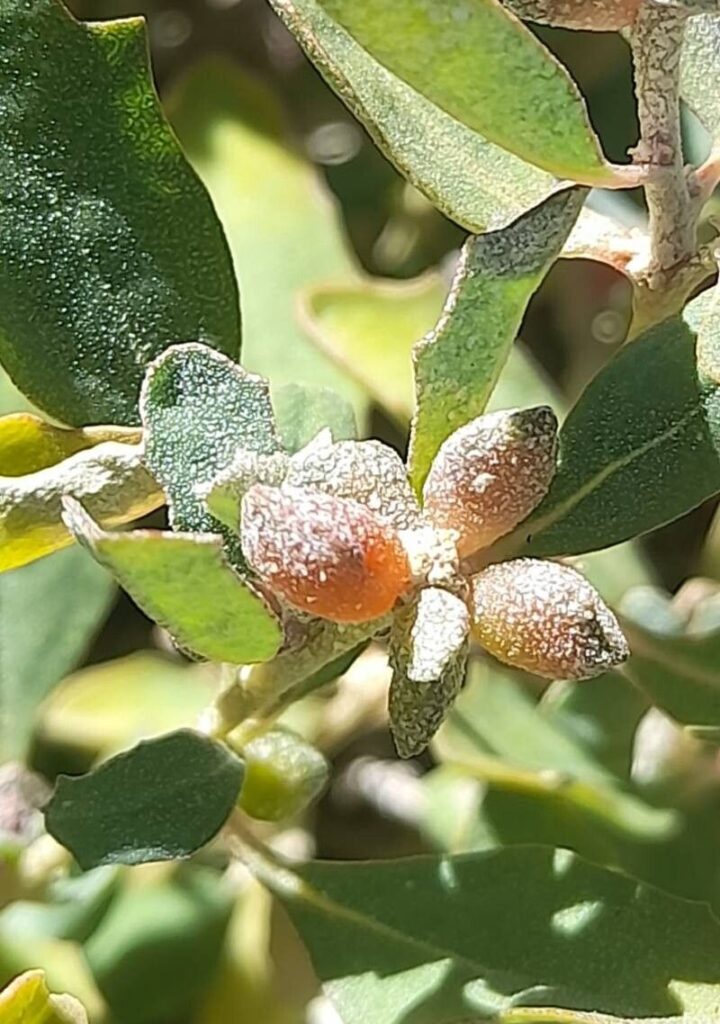
Propagating Atriplex semibaccata: A Challenging but Rewarding Endeavor
Atriplex semibaccata, commonly known as the Australian saltbush, is a hardy, drought-tolerant shrub prized for its silvery foliage and ability to thrive in saline conditions. Its popularity among gardeners stems from its low-maintenance nature and aesthetic appeal, making it a valuable addition to xeriscapes and coastal gardens. However, propagating this resilient plant presents unique challenges, requiring careful consideration of various techniques.
Seed Germination:
Currently, there are no known reliable methods for seed germination propagation of Atriplex semibaccata. While the plant does produce seeds, germination rates are notoriously low and unpredictable, even under optimal laboratory conditions. Further research is needed to identify any potential pre-treatment techniques (such as scarification or stratification) that might improve germination success.
Cuttings:
Cuttings represent a more viable method for propagating Atriplex semibaccata.
Challenges: Success relies heavily on timing and technique. The optimal time for taking cuttings is during the plant’s active growing season (spring or early summer). Hardwood cuttings are generally less successful than softwood or semi-hardwood cuttings.
Practical Tips: Use sharp, clean tools to take 8-10cm cuttings from healthy, non-flowering stems. Remove lower leaves and dip the cut end in a rooting hormone before planting in a well-draining potting mix. Maintain consistently moist (but not waterlogged) conditions and provide bottom heat or humidity for optimal rooting. A propagation tray covered with a plastic dome can facilitate this.
Rewards: Cuttings offer a relatively quick method to generate genetically identical plants, preserving desirable traits. Compared to seed propagation, this is a more reliable and predictable method.
Division:
Division is another relatively successful propagation method for Atriplex semibaccata, particularly for established, larger plants.
Challenges: This method can be slightly more invasive, potentially causing stress to the mother plant if not carefully performed. Dividing too small a section may hamper the root system’s ability to establish itself. It is advisable to carry out division during the plant’s dormant period or in early spring.
Practical Tips: Carefully dig up the plant, ensuring as much soil as possible remains attached to the roots. Divide the root ball into multiple sections, each possessing sufficient roots and shoots. Re-plant each division in well-prepared soil ensuring they are firmly established.
Rewards: Division offers a quick method for increasing the number of plants, allowing gardeners to quickly expand their Atriplex semibaccata collection. It is a simple and efficient technique, avoiding the complexities of other methods.
Tissue Culture:
Tissue culture offers the potential for large-scale propagation but is generally more complex and costly, requiring specialized equipment and expertise.
Challenges: Establishing aseptic conditions and finding suitable media compositions are crucial for successful tissue culture. This method presents a significant barrier to entry for home gardeners.
Practical Tips: This method is best left to laboratories and nurseries specializing in plant tissue culture.
Rewards: Tissue culture allows for the rapid production of large numbers of identical plants, providing opportunities for commercial propagation and conservation efforts. It also reduces the risk of transferring pests and diseases to the new plants.
Conclusion:
Propagating Atriplex semibaccata presents unique challenges across all the common methods. While seed germination remains unreliable, cuttings and division provide viable options for home gardeners seeking to increase their stock. Tissue culture offers high-volume propagation but requires specialized knowledge and resources. The satisfaction derived from successfully propagating this tough and beautiful plant is amplified by the initial hurdles overcome. The perseverance required highlights the unique connection between the gardener and the plant, fostering a deeper appreciation for its resilience and adaptability. Don’t be disheartened by setbacks; experiment with cuttings and division, learn from each attempt, and you will be rewarded with a flourishing collection of Australian saltbush.