
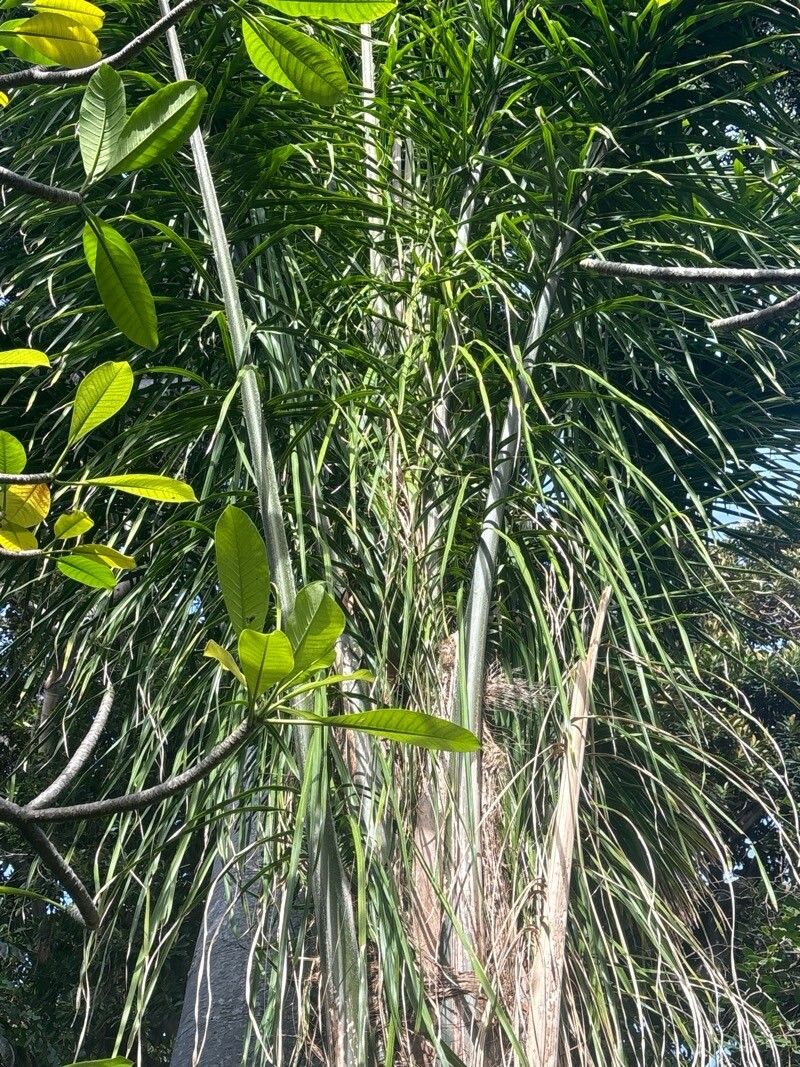
Propagating the Coco de Mono: A Guide to Cultivating Attalea dubia
Introduction:
Attalea dubia, commonly known as Coco de Mono (Monkey Coconut) or Macaw Palm, is a majestic palm species native to the Neotropics, renowned for its striking appearance and impressive size. This impressive palm, boasting a robust trunk and vibrant green fronds, has gained popularity amongst landscape enthusiasts seeking a statement plant for larger gardens or tropical gardenscapes. However, its propagation presents unique challenges, making successful cultivation a rewarding endeavor for the dedicated gardener. Unlike many readily propagated palms, Attalea dubia requires a meticulous approach. This article explores various propagation methods, weighing their viability and offering practical guidance.
Seed Germination:
Seed germination is a viable, albeit challenging, method for propagating Attalea dubia. The primary challenge lies in the hard, thick seed coat, which hinders water absorption and germination. Fresh seeds are crucial for success.
- Challenges: Dormancy, slow germination rates, fungal infections.
- Practical Tips: Scarification (carefully nicking the seed coat) or soaking seeds in warm water for several days prior to sowing can improve germination rates. Sowing should be in a well-draining seed starting mix, kept consistently moist but not waterlogged. Warm temperatures (around 25-30°C) and high humidity are essential. Consider using a propagation mat or heat source to maintain consistent warmth. A germination rate of less than 50% is not unusual.
- Rewards: Seed-grown plants offer high genetic diversity, which is crucial for the long-term survival and adaptability of the species. This is also the most cost-effective method for large-scale propagation.
Cuttings:
Currently, there are no known reliable methods for propagating Attalea dubia from cuttings. This species does not readily produce adventitious roots from stem or leaf cuttings.
Division:
Division, like cuttings, is not a practical method for propagating Attalea dubia. This palm doesn’t readily produce offshoots or suckers that can be easily separated and replanted.
Tissue Culture:
While potentially viable, tissue culture propagation of Attalea dubia is a highly specialized and complex technique.
- Challenges: Requires specialized laboratory equipment, sterile conditions, and expertise in plant tissue culture techniques. Establishing a protocol for Attalea dubia might require significant research and experimentation.
- Practical Tips: This is not a method suitable for home propagators. It would need to be undertaken in a professional laboratory setting.
- Rewards: Tissue culture can significantly increase propagation rates, producing numerous genetically identical plants from a single explant. This offers superior uniformity for commercial cultivation.
Conclusion:
Propagating Attalea dubia presents significant hurdles, with seed germination representing the most accessible, albeit challenging, path for the dedicated amateur. While cuttings and division are not viable options and tissue culture requires specialized expertise, the rewards of successfully nurturing a Coco de Mono from seed – witnessing its growth from a tiny seedling into a magnificent palm – are exceptionally fulfilling. The unique satisfaction lies not just in the outcome, but in the perseverance and patience required to overcome the inherent difficulties. Aspiring propagators should be prepared for a potentially lengthy process with variable success rates, but with diligent care, the journey of cultivating this striking palm offers a remarkably rewarding horticultural experience. Remember to prioritize sourcing fresh, high-quality seeds and providing optimal growing conditions for the best chance of success.