
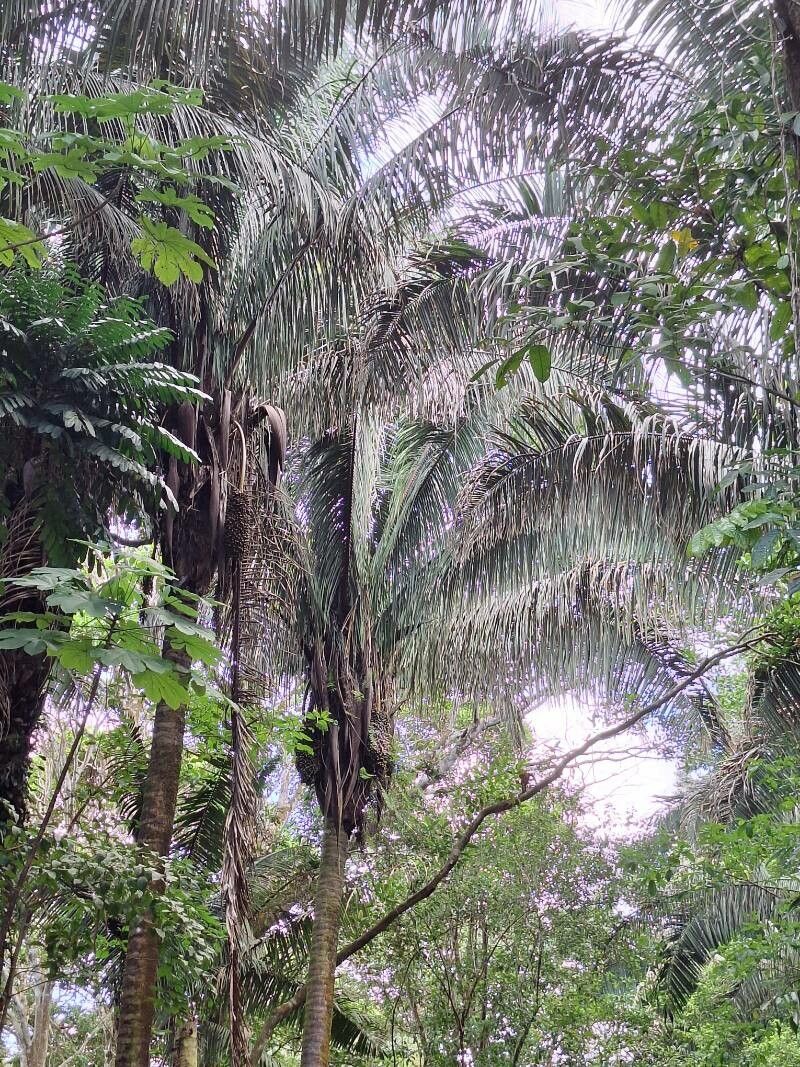
Propagating the Macauba Palm (Attalea rostrata): A Gardener’s Guide
Introduction:
Attalea rostrata, commonly known as the macauba palm or macauba, is a majestic palm species native to South America, prized for its impressive size, striking foliage, and the versatile uses of its fruits and other parts. Its robust nature and potential for large-scale cultivation have garnered interest among gardeners and researchers alike. However, propagating this species presents unique challenges, demanding patience and a nuanced understanding of its specific needs. Its popularity stems from its economic importance (fruit oil, fiber) and its aesthetic value as a large, imposing ornamental plant.
Seed Germination:
Seed germination is a viable method for propagating Attalea rostrata, though it presents several challenges. The seeds possess a hard, impermeable seed coat which significantly hinders water uptake and germination.
Challenges: Slow germination rates and low germination percentages are common. Seed viability decreases rapidly with time after harvest. Fungal diseases can also attack germinating seeds.
Practical Tips: Pre-treatment is crucial. Scarification (mechanically damaging the seed coat, e.g., by filing or nicking) and stratification (a period of cold, moist storage) can significantly improve germination rates. Soaking the seeds in warm water for 24-48 hours before sowing may also help. Seeds should be sown in a well-draining potting mix, kept moist but not waterlogged, and placed in a warm, humid environment (ideally around 25-30°C). Regularly inspect for fungal growth and take appropriate action.
Rewards: Seed propagation offers the benefits of genetic diversity, allowing for a wider range of characteristics in the resulting plants. It’s also a cost-effective method, particularly for larger-scale propagation efforts.
Cuttings:
Currently, there are no known reliable methods for propagating Attalea rostrata from cuttings. The palm’s physiology doesn’t readily lend itself to vegetative propagation through cuttings.
Division:
Division is not a feasible method for propagating Attalea rostrata. This palm does not produce offshoots or suckers in the manner that allows for division like some other plant species.
Tissue Culture:
Tissue culture, while technically feasible, remains a specialized and resource-intensive method for propagating Attalea rostrata. It requires specialized laboratory equipment, expertise in plant tissue culture techniques, and aseptic conditions.
Challenges: Establishing sterile cultures and maintaining optimal growth conditions can be challenging. The process is costly and time-consuming.
Practical Tips: If employing tissue culture, a skilled technician should handle all aspects of the process. The use of appropriate growth media and hormones tailored to Attalea rostrata will be crucial.
Rewards: Tissue culture offers the potential for rapid multiplication of superior genotypes and disease-free plants at a large scale.
Conclusion:
Propagating Attalea rostrata presents several challenges, primarily concerning germination and the lack of readily available alternative methods. Seed germination, while viable, requires patience and careful attention to pre-treatment techniques to overcome inherent dormancy. The other methods – cuttings, division, and even tissue culture are limited in their applicability. The rewards, however, are significant. Successfully cultivating this impressive palm, after overcoming the hurdles of propagation, provides a unique sense of accomplishment. The sight of a healthy macauba palm flourishing, knowing you played a crucial role in its journey from seed to mature plant, is immensely rewarding. For aspiring propagators, persistence, thorough research, and attention to detail are key – the challenges will test your patience, but the final result is well worth the effort.