
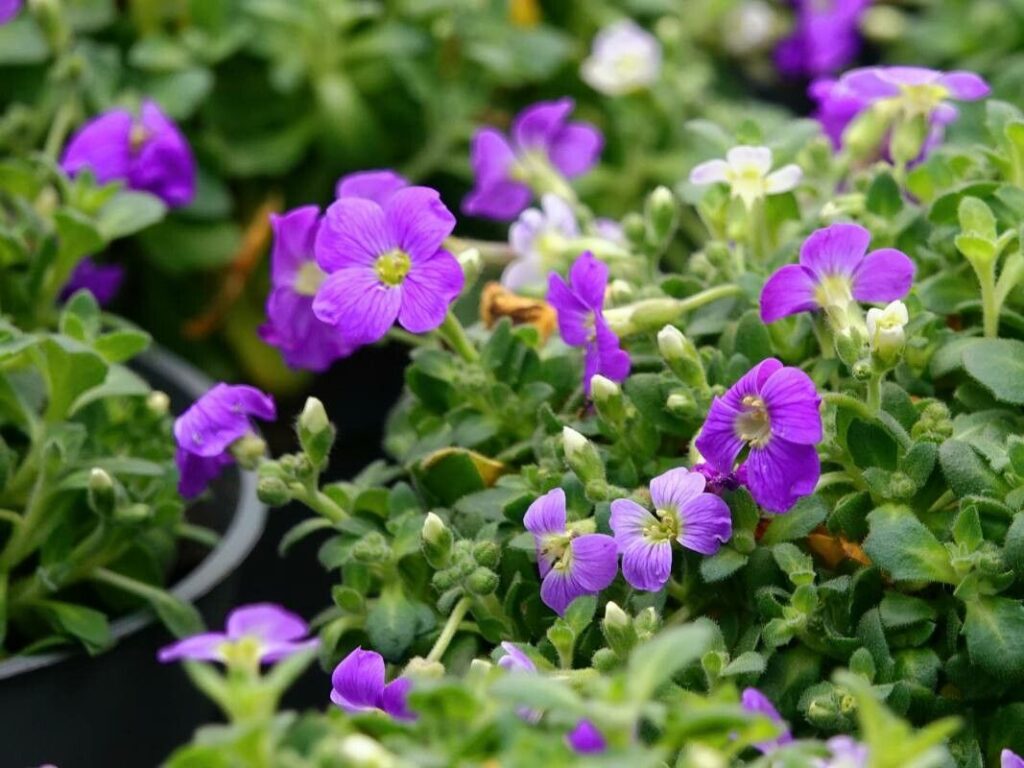
Carpeting Your Garden with Color: Propagating the Charming Aubrieta gracilis
Aubrieta gracilis, with its explosion of vibrant purple, pink, or white flowers, is a sight to behold. This low-growing, mat-forming evergreen is a favorite for rock gardens, cascading over walls, or adding splashes of color to spring borders. And the best part? Propagating Aubrieta gracilis is relatively straightforward, allowing you to multiply your stock and spread the floral joy. Let’s explore the different methods:
1. Seed Starting for a Burst of Variety:
For those who love a bit of surprise and potentially new varieties, starting Aubrieta gracilis from seed is an exciting option.
- Timing is Key: Sow seeds indoors about 6-8 weeks before the last expected frost.
- Sowing the Seeds: Use seed trays filled with well-draining seed compost. Sprinkle the seeds thinly and cover them lightly with vermiculite or a fine layer of compost.
- Providing the Right Environment: Place the tray in a bright location but out of direct sunlight. Maintain a temperature of around 60-65°F (15-18°C) and keep the soil consistently moist but not waterlogged.
- Transplanting Time: Once the seedlings have developed a couple of true leaves and all danger of frost has passed, harden them off gradually by introducing them to outdoor conditions for increasingly longer periods. Finally, transplant them into their desired locations in the garden.
2. Cuttings: Cloning Your Favorite Blooms:
If you have a particular Aubrieta gracilis with a flower color or growth habit you adore, taking cuttings is an excellent method to create identical replicas.
- The Right Time: Early summer, after the first flush of blooms, is ideal for taking cuttings.
- Making the Cut: Choose healthy, non-flowering shoots and cut a 3-4 inch section just below a leaf node. Remove the lower leaves, leaving only a couple at the top.
- Encouraging Root Development: Dip the cut end in rooting hormone (optional but helpful). Plant the cuttings in pots filled with a well-draining compost mix.
- Creating a Humid Environment: Cover the pots with a plastic bag or use a propagator to maintain humidity.
- Transplanting: After about 4-6 weeks, gently tug on the cuttings to check for resistance, indicating root development. Once roots have formed, harden off the plants before transplanting them outdoors.
3. Layering: Letting Nature Lend a Hand:
Layering is a less common but effective propagation method for Aubrieta gracilis, particularly for plants with long, trailing stems.
- Identifying Suitable Stems: Select healthy stems that can reach the ground.
- Preparing the Stem and Soil: Gently wound the underside of the chosen stem by making a small cut or scrape. Prepare the ground below by loosening the soil and adding some compost.
- Securing the Layer: Bury the wounded portion of the stem about an inch deep, securing it in place with a landscape pin or a small rock.
- Patience is Key: It may take several weeks or even months for the layered stem to develop roots. Once the layered section has developed a strong root system, it can be separated from the parent plant and transplanted.
Caring for Your Newly Propagated Aubrieta:
Whether you’ve started from seed, cuttings, or layering, provide your new Aubrieta plants with well-drained soil, adequate sunlight (at least 6 hours a day), and regular watering, especially during dry periods. A light trim after flowering encourages bushier growth and a second flush of blooms.
With a little effort and these propagation methods, you can transform your garden into a tapestry of color with the captivating Aubrieta gracilis.