
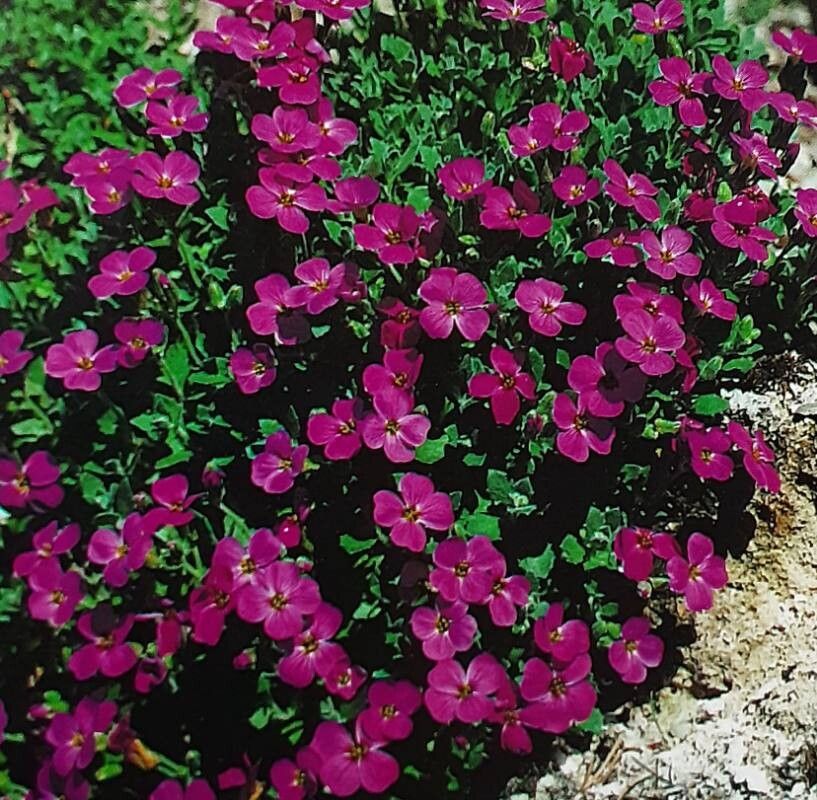
Propagating Aubrieta × cultorum: A Gardener’s Guide to the Rock Cress
Aubrieta × cultorum, commonly known as rock cress, is a beloved groundcover prized for its vibrant, profuse blooms in shades of purple, pink, blue, and white. Its cascading habit and tolerance of poor, well-drained soils make it a staple in rock gardens, walls, and containers. While readily available commercially, propagating rock cress offers a rewarding experience and the chance to multiply your favorite cultivars. Its tendency towards self-seeding hints at its potential for seed propagation, but success with other methods also presents unique challenges and rewards.
Seed Germination:
Seed germination is a viable method for propagating Aubrieta × cultorum, although it presents some challenges. The tiny seeds require careful handling, and germination rates may not always be high. Successful germination relies heavily on proper stratification.
- Challenges: Small seed size, irregular germination, potential for hybrid segregation resulting in plants different than the mother plant.
- Tips: Sow seeds in late summer or early autumn, ideally outdoors in a seed tray with well-drained seed-starting mix. Stratification is crucial; pre-soak seeds for 24 hours and then chill them in a moist medium (e.g., vermiculite or peat moss) in the refrigerator for 4-6 weeks before sowing. Cover seeds only lightly with fine compost or vermiculite. Keep consistently moist but not waterlogged until germination. Germination takes place typically within 4-8 weeks after sowing.
- Rewards: High potential for genetic diversity if you are working with multiple cultivars, allowing for unique color variations and the possibility of developing new forms. This method offers the possibility of large scale propagation once established seedlings are strong enough to transplant.
Cuttings:
Cuttings are a successful method for propagating Aubrieta × cultorum, especially for preserving desirable characteristics of a specific plant.
- Challenges: Requires attentive care to prevent rot and ensure sufficient rooting. The success rate can vary depending on the time of year and environmental conditions.
- Tips: Take semi-hardwood cuttings in late spring or early summer. Use 4-6 inch cuttings from non-flowering stems, removing lower leaves to prevent rotting. Dip the cut ends in a rooting hormone before planting in a well-drained propagation mix. Place cuttings under a humidity dome or cover with a plastic bag to maintain high humidity. Keep the propagation mix moist but not saturated. Rooting typically takes 4-6 weeks.
- Rewards: Creates genetically identical plants to the parent plant, preserving desired traits, color, and form.
Division:
Dividing established Aubrieta plants is a relatively simple and effective propagation method.
- Challenges: Requires established plants to be divided, limiting propagation from new plants. Can be slightly more labor intensive than cuttings or seeds.
- Tips: Divide mature clumps in early spring or autumn. Carefully lift the plant and divide the root ball into smaller sections, ensuring each section has healthy roots and shoots. Replant the divisions immediately in well-drained soil, maintaining spacing according to the mature size of the plant.
- Rewards: A quick and efficient method for increasing the number of plants, particularly helpful for expanding an existing planting.
Tissue Culture:
While possible, tissue culture propagation for Aubrieta × cultorum is generally not practiced by home gardeners due to the specialized equipment and laboratory conditions required. This method is primarily used for large-scale commercial propagation.
- Challenges: Requires sterile laboratory conditions, specialized equipment, and skilled technicians. Not suitable for home propagation.
- Tips: This process is usually done by professionals in commercial settings.
- Rewards: Ability to mass produce genetically identical plants rapidly and efficiently, disease-free plants, and high success rate.
Conclusion:
Propagating Aubrieta × cultorum offers a variety of methods, each with its own advantages and disadvantages. While seed germination presents an exciting but potentially less predictable path, cuttings offer improved control over the outcome. Division provides the simplest method for gardeners with established plants. The challenge of each approach is part of the rewarding experience of cultivating this beautiful plant. The satisfaction of nurturing a tiny seed into a flowering display, or seeing a cutting successfully root, is a testament to the gardener’s skill and patience. So, choose your method, embrace the challenges, and enjoy the colorful rewards of propagating your own rock cress.