
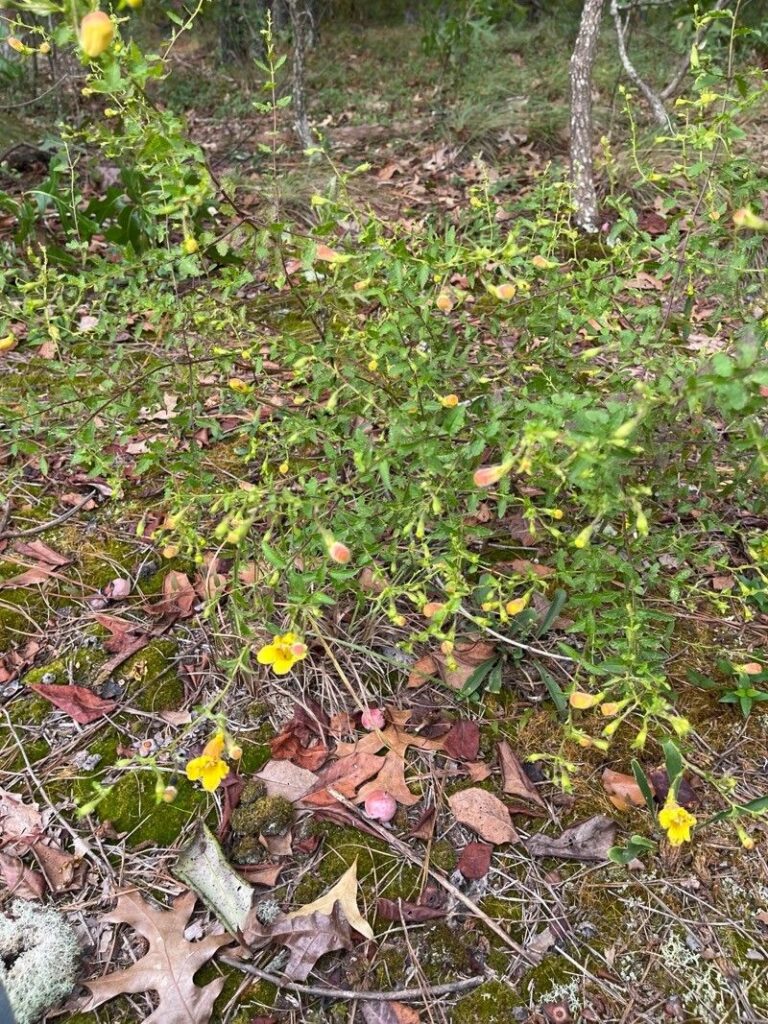
Propagating the Downy False Foxglove (Aureolaria pectinata): A Gardener’s Guide
Introduction:
Aureolaria pectinata, commonly known as the Downy False Foxglove, is a captivating herbaceous perennial prized for its delicate, yellow flowers and its adaptability to challenging growing conditions. Belonging to the Orobanchaceae family, it’s a hemiparasite, meaning it derives some nutrients from neighboring plants while also photosynthesizing. Its unique beauty and relative rarity make it a sought-after addition to woodland gardens and naturalistic landscapes. However, its propagation presents several challenges, making successful cultivation a rewarding experience for dedicated gardeners.
Seed Germination:
Currently, there are no known reliable methods for seed germination propagation of Aureolaria pectinata. While seeds may be produced, their germination rates are extremely low and unpredictable, likely due to complex dormancy mechanisms or symbiotic requirements not yet understood. Further research is needed to determine optimal germination conditions, if such conditions exist.
Cuttings:
Propagation via cuttings presents a more promising approach than seed germination. However, it is still challenging.
-
Challenges: Aureolaria pectinata cuttings are notoriously difficult to root. The plant’s hemiparasitic nature may interfere with its ability to readily develop roots independently. High humidity and consistently moist (but not waterlogged) conditions are crucial. Fungal diseases can also hinder rooting success.
-
Practical Tips: Softwood cuttings taken in early summer, just as new growth emerges, offer the best chance of success. Use a rooting hormone to stimulate root development. Plant cuttings in a well-draining propagation mix, maintaining consistently high humidity (e.g., using a humidity dome or propagating under a mist system). A bottom heat mat can also improve rooting rates.
- Rewards: Successful rooting of cuttings can provide genetically identical offspring, preserving desirable traits of the mother plant. This method is more advantageous than seed propagation for smaller-scale propagation efforts aiming for specific characteristics.
Division:
Division is the most reliable method for propagating Aureolaria pectinata.
-
Challenges: This method is only feasible when the plant is already well-established and large enough to be divided. Care needs to be taken to avoid damaging the delicate roots. Improper division can severely stress the plant and lead to failure.
-
Practical Tips: The ideal time for division is in early spring or fall. Dig up the entire plant carefully, ensuring as much soil as possible remains attached to the roots. Divide the root system into sections, each containing multiple growth points. Replant the divisions immediately, ensuring adequate spacing and providing consistent moisture.
- Rewards: Division is a relatively straightforward method, offering a high success rate compared to other propagation techniques. It allows for efficient multiplication of established plants.
Tissue Culture:
Tissue culture propagation has not been widely explored for Aureolaria pectinata.
-
Challenges: Developing successful protocols for tissue culture would require significant research and expertise in plant tissue culture techniques. The hemiparasitic nature of the plant may pose unique challenges in developing appropriate nutrient media and sterilization protocols.
-
Practical Tips: Currently, there are no readily available protocols. Research and experimentation would be needed to develop successful techniques.
- Rewards: If successful, tissue culture could offer the most efficient method for large-scale propagation and conservation. It would allow for the rapid multiplication of rare or genetically valuable specimens.
Conclusion:
Propagating Aureolaria pectinata presents several hurdles, with division offering the most reliable approach for the average gardener. Seed germination remains largely unsuccessful, while cuttings require patience and precise conditions. Tissue culture holds significant potential but needs further research. The challenges associated with propagating this plant highlight its unique characteristics and the rewards of successful cultivation. The satisfaction of nurturing these delicate plants from cuttings or successfully dividing a healthy specimen is immense, reflecting the dedication and understanding needed to appreciate this captivating species. Don’t be discouraged by initial failures – persistence and experimentation are key to success with this rewarding, albeit challenging, plant.