
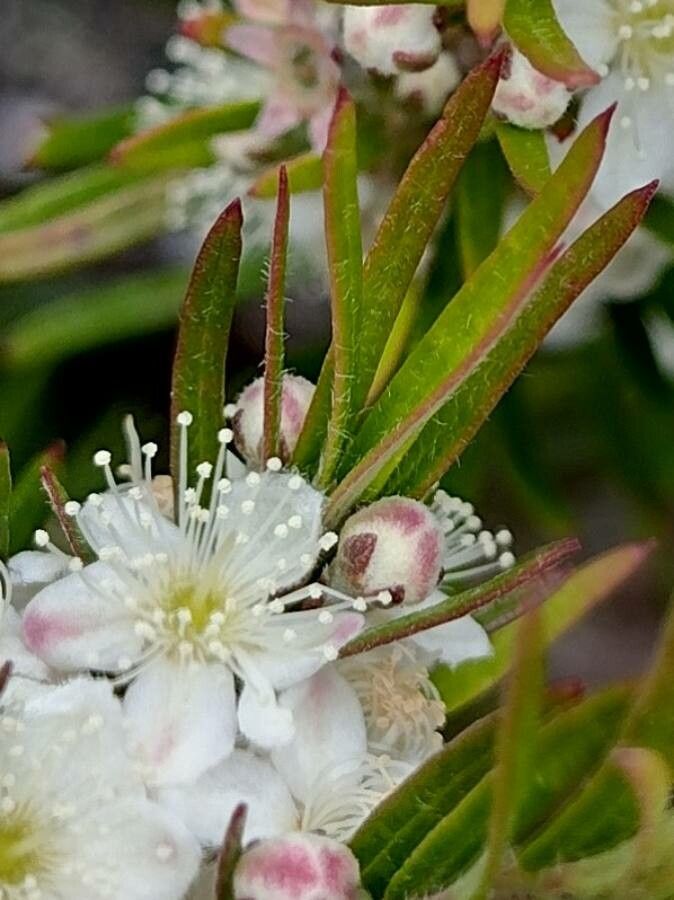
Unlocking the Secrets of Austromyrtus tenuifolia: A Guide to Successful Propagation
Have you fallen in love with the enchanting beauty of Austromyrtus tenuifolia, also known as the “Native Myrtle” or “Small-leaved Myrtle”? This stunning Australian native is prized for its lush, cascading foliage and delicate fragrant flowers. But did you know that you can easily multiply your own supply of this captivating plant through propagation?
This guide will delve into the fascinating world of propagating Austromyrtus tenuifolia, equipping you with the knowledge and techniques to successfully grow your own collection of these beautiful plants.
The Benefits of Propagating Austromyrtus tenuifolia:
- Cost-effective: Instead of purchasing new plants, you can create multiple specimens from cuttings.
- Genetic continuity: Propagated plants inherit the exact traits of the parent plant, ensuring you maintain the unique characteristics you love.
- Increased availability: You can share your success with friends and family, spreading the joy of Austromyrtus tenuifolia.
Common Propagation Methods:
- Cuttings: This is the most popular method for propagating Austromyrtus tenuifolia, using stem cuttings for root development.
How to Propagate from Cuttings:
- Timing is key: Take cuttings during the growing season, usually in springtime.
- Select healthy stems: Choose semi-mature, non-flowering stems with at least 3-4 nodes.
- Prepare your cuttings: Remove lower leaves and cut stems cleanly below a node using a sharp knife or pruning shears.
- Dip in rooting hormone: Lightly powder the cut end with a rooting hormone powder for enhanced root growth.
- Potting medium: Use a well-draining potting mix, like a blend of perlite and peat moss.
- Plant the cuttings: Insert the cuttings into the potting mix, ensuring the lower node is buried.
- Create a humid environment: Cover the pot with a clear plastic dome or plastic bag to retain moisture and warmth.
- Location: Place the pot in a warm, bright area with indirect sunlight.
- Patience is required: Root development may take several weeks to a few months. Maintain a consistently humid environment and check regularly for signs of root growth.
- Transplant to individual pots: Once roots have developed, gradually acclimate the cuttings to full sunlight and transplant them into individual pots with suitable potting mix.
Additional Propagation Tips:
- Softwood cuttings: Using softwood cuttings taken from new growth can be successful, particularly in warmer climates.
- Moisture is crucial: Make sure the potting mix remains consistently moist but not waterlogged.
- Misting: Gently mist the cuttings with water to maintain humidity.
- Avoid stress: Handle cuttings gently and avoid excessive handling.
- Patience: It takes time for roots to develop. Be patient and monitor your cuttings regularly.
In Conclusion:
Propagating Austromyrtus tenuifolia is a fulfilling and rewarding experience. By following the guidelines outlined in this guide, you can successfully cultivate new plants from cuttings and expand your collection of these beautiful Australian natives. Embrace the journey of nurturing your cuttings, and witness the joy of watching them grow into flourishing, fragrant, and majestic plants.