
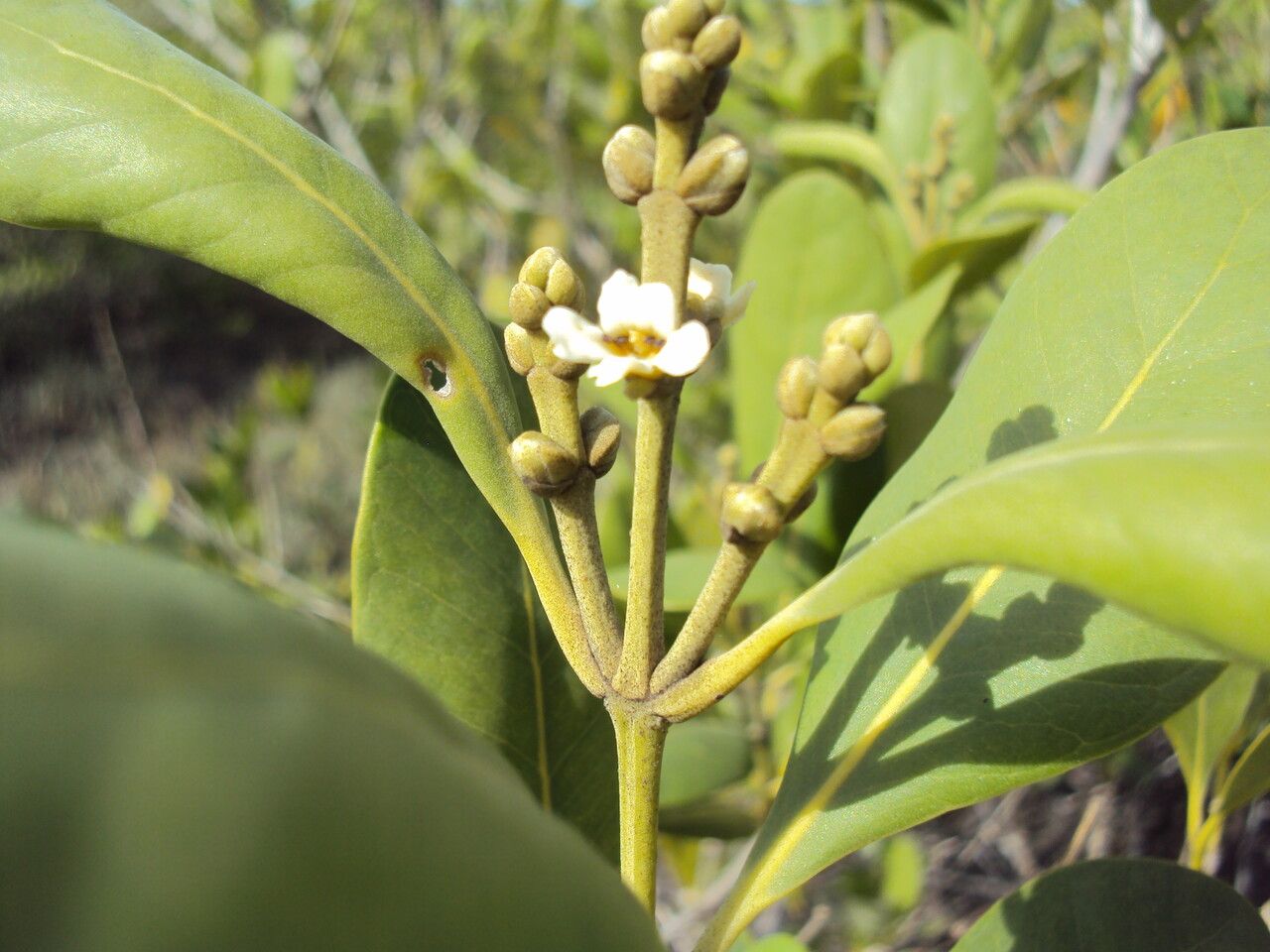
Riding the Tide: Propagating the Resilient Black Mangrove (Avicennia schaueriana)
The black mangrove, scientifically known as Avicennia schaueriana, is a marvel of nature. Thriving in the challenging intertidal zones along tropical and subtropical coasts, this resilient species plays a critical role in coastal ecosystems. Whether you’re an eco-warrior looking to contribute to mangrove restoration or a curious plant enthusiast wanting to cultivate this unique species, understanding black mangrove propagation is key.
Natural Wonders: Viviparity and Propagule Power
Black mangroves have an incredible adaptation that sets them apart from many plants – viviparity. This means they produce live “seedlings” called propagules, directly on the parent tree! These propagules look like long, green beans and are incredibly hardy. Unlike regular seeds, they sprout while still attached to the tree, drawing nutrients and developing the beginnings of roots and leaves.
Once mature, the propagules drop into the water below, ready to begin their journey. This buoyancy allows them to disperse with ocean currents, sometimes traveling considerable distances before finding a suitable spot to take root.
Bringing the Mangrove Home: Propagation Techniques
While black mangroves naturally propagate through their unique viviparous nature, you can successfully grow them in controlled environments too. Here’s how:
1. Propagule Collection:
- Collect mature propagules directly from healthy trees or purchase them from reputable nurseries specializing in mangrove species.
- Mature propagules will be firm, plump, and typically green to brownish-green in color.
2. Planting Medium and Container:
- Black mangroves thrive in brackish water, a mix of freshwater and saltwater. Create a solution with a salinity of about 10-20 parts per thousand. You can use a salinity meter to get an accurate measurement.
- Use a well-draining potting mix designed for aquatic plants.
- Choose a deep pot to accommodate the developing root system.
3. Planting:
- Plant the propagules vertically with the pointed end facing upwards, burying about one-third of their length into the potting mix.
- Water generously with the prepared brackish water solution.
4. Sunlight and Temperature:
- Place the pot in a location that receives plenty of direct sunlight. Black mangroves thrive in warm temperatures ideally between 20-30°C (68-86°F).
5. Patience is key:
- It may take several weeks or even months for the propagules to root and establish themselves.
- Ensure the potting mix remains moist and maintain the brackish water solution.
- Avoid overwatering, as this can lead to root rot.
Beyond the Backyard: The Importance of Mangrove Conservation
Propagating black mangroves isn’t just a rewarding gardening experience; it contributes to a larger global effort. Mangrove forests are vital ecosystems. They:
- Provide crucial habitats: For a diverse array of marine life, birds, and other creatures.
- Protect coastlines: Acting as natural barriers against erosion, storms, and rising sea levels.
- Sequester carbon: Playing a crucial role in mitigating climate change.
By understanding and engaging in black mangrove propagation, we directly contribute to preserving these invaluable ecosystems for generations to come. So, why not take a chance on these fascinating plants and help restore the green embrace of mangroves along our coastlines?