
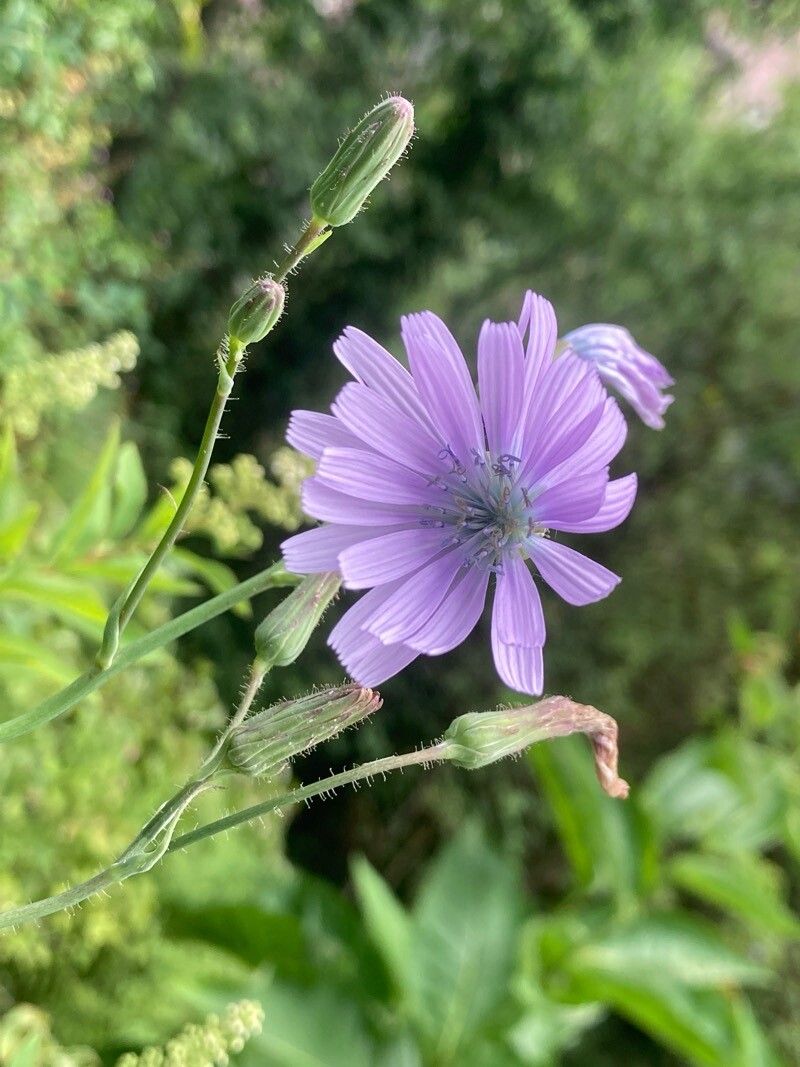
Taming the Giant: Propagating the Majestic Cicerbita macrophylla
The Cicerbita macrophylla, known affectionately as the Common Blue Sow Thistle, isn’t your average garden variety flower. This statuesque beauty, reaching heights of up to 6 feet, demands attention with its towering presence and delicate blue blooms. But don’t let its grand stature intimidate you – propagating this gentle giant is surprisingly attainable, even for beginner gardeners. So, if you’re looking to introduce a touch of wild elegance to your garden, read on!
Two Paths to Propagation:
Cicerbita macrophylla offers two main avenues for propagation: seeds and division. Each method comes with its own set of pros and cons, catering to different gardening styles and levels of experience.
1. The Seed Route: Embracing Nature’s Patience
Propagating from seed allows you to witness the full life cycle of your Cicerbita macrophylla, from tiny sprout to majestic giant. Here’s how:
- Timing is Key: Sow seeds in early spring, either directly outdoors after the last frost or indoors 4-6 weeks prior for an earlier start.
- Sowing the Seeds: Lightly press seeds onto the surface of well-draining seed compost, ensuring they receive ample light for germination.
- Patience is a Virtue: Germination typically takes 2-4 weeks. Maintain consistent moisture and a temperature of around 65°F (18°C).
- Transplanting Triumph: Once seedlings develop a few sets of true leaves, transplant them outdoors after hardening them off gradually.
Pros:
- Cost-effective: Seeds are generally inexpensive.
- Rewarding Experience: Witnessing the entire growth cycle can be incredibly fulfilling.
Cons:
- Slower Process: It takes longer to reach maturity compared to division.
- Variable Success Rate: Germination rates can vary depending on seed quality and environmental conditions.
2. The Division Solution: For a Speedy Start
Division is the faster method, allowing you to multiply your existing Cicerbita macrophylla plants. Here’s a step-by-step guide:
- The Right Time: Divide established plants in early spring or late summer when the soil is workable.
- Unearth and Divide: Carefully dig up the plant, ensuring you get as much of the root system as possible. Using a sharp, clean knife or spade, divide the plant into sections, each containing healthy roots and shoots.
- Replant and Thrive: Replant the divided sections at the same depth they were originally growing, ensuring they are well-spaced to accommodate their mature size.
- Water Deeply and Consistently: Keep the newly divided plants adequately watered, particularly during the initial weeks after transplantation.
Pros:
- Faster Results: Enjoy blooms sooner with established divided plants.
- Guaranteed Success: Division ensures successful propagation from a healthy parent plant.
Cons:
- Requires Existing Plant: You need an established Cicerbita macrophylla to divide.
- Potential for Disturbance: Division can temporarily disrupt the parent plant’s growth.
Whichever path you choose, remember to provide your Cicerbita macrophylla with ample sunshine, well-drained soil, and consistent moisture. With a little care and attention, you’ll be rewarded with a breathtaking display of towering beauty that will grace your garden for years to come.