
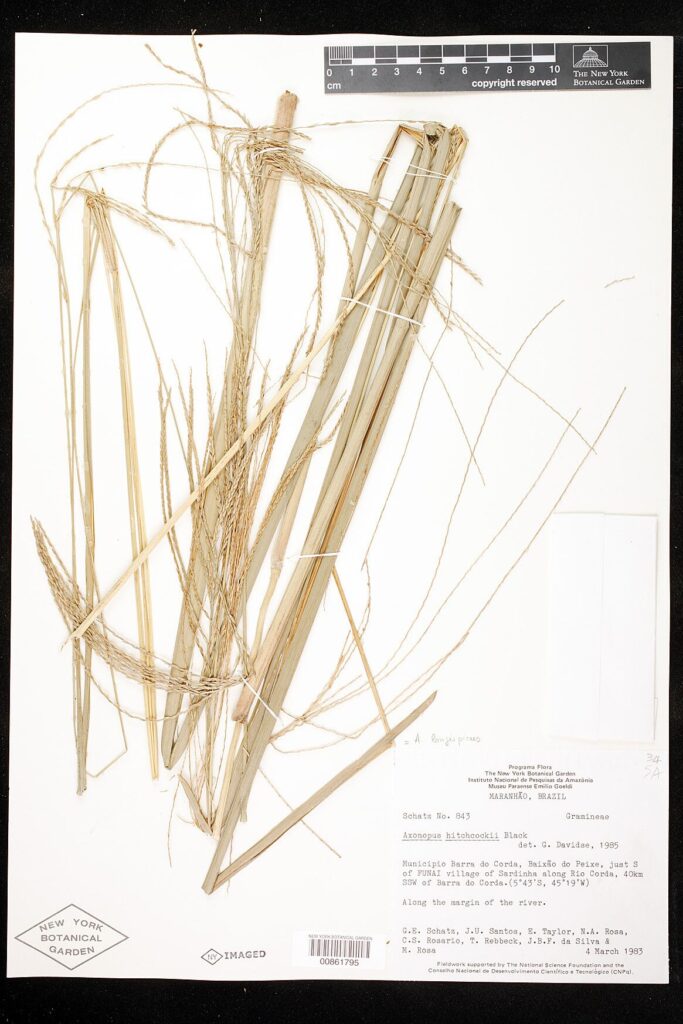
Propagating Axonopus longispicus: A Gardener’s Guide
Introduction:
Axonopus longispicus, commonly known as longspike carpetgrass, is a resilient, low-growing perennial grass prized for its fine texture, drought tolerance, and ability to form dense, attractive lawns. Its popularity among gardeners stems from its adaptability to various soil types and its low maintenance requirements once established. However, propagation presents unique challenges, making successful cultivation a rewarding experience for dedicated plant enthusiasts. Its relatively slow growth rate also contributes to the interest in effective propagation methods.
Seed Germination:
Currently, there are no known reliable methods for seed germination propagation of Axonopus longispicus. While the plant produces seed, germination rates are exceptionally low, making this method impractical for most gardeners. Further research into specific germination requirements, such as light exposure, temperature, and pre-treatment methods, may be necessary to unlock this potential propagation pathway.
Cuttings:
Cuttings are a reasonably successful method for propagating Axonopus longispicus.
-
Challenges: Root formation from cuttings can be slow and inconsistent. The success rate depends heavily on environmental factors such as humidity and temperature. Sanitation is crucial to avoid fungal diseases.
-
Practical Tips: Use stem cuttings approximately 4-6 inches long, taken from healthy, actively growing portions of the plant. Remove lower leaves to prevent rot. Dip the cut ends in a rooting hormone solution before planting in a well-draining rooting medium (e.g., a mix of perlite and vermiculite). Maintain high humidity (a humidity dome is recommended) and consistently moist, but not waterlogged, conditions. Bottom heat can also improve rooting success.
- Rewards: Cuttings offer a relatively simple method for small-scale propagation and maintain the genetic characteristics of the parent plant.
Division:
Division is arguably the most reliable and common method for propagating Axonopus longispicus.
-
Challenges: Established plants need to be reasonably mature before successful division. Care is needed to avoid damaging the root system during the separation process.
-
Practical Tips: Divide established clumps in early spring or late summer. Carefully dig up the plant, gently separating it into smaller sections, each with a healthy root system and actively growing shoots. Replant the divisions immediately, ensuring adequate spacing for future growth.
- Rewards: Division allows for quick propagation of larger numbers of plants with a high success rate. It’s relatively straightforward and less technically demanding than other methods.
Tissue Culture:
Tissue culture offers the potential for large-scale propagation of Axonopus longispicus and the generation of disease-free plants.
-
Challenges: Tissue culture requires specialized equipment, sterile conditions, and considerable technical expertise. It is significantly more expensive than other propagation methods. Establishing appropriate media and protocols specifically for Axonopus longispicus might require significant experimentation.
-
Practical Tips: This is best left to experienced tissue culture laboratories. Protocols would likely involve using nodal segments or shoot tips as explants and a suitable growth medium supplemented with plant growth regulators.
- Rewards: Tissue culture offers the potential for rapid and large-scale propagation, disease elimination, and the preservation of valuable genetic material.
Conclusion:
Propagating Axonopus longispicus presents several challenges, with seed germination proving currently unreliable. Division presents the simplest and most reliable method for the average gardener, while cuttings offer a viable alternative, albeit with a slightly lower success rate. Tissue culture is a potent, albeit resource-intensive and technically demanding, option for large-scale production and disease control.
The unique satisfaction of successfully cultivating Axonopus longispicus, despite these hurdles, comes from witnessing the transformation from small cutting or division into a lush, thriving patch of grass. The dedication required is well rewarded by the rewarding visual and functional contributions this resilient grass makes to the landscape. For aspiring propagators, start with the division method, gradually experimenting with cuttings if desired. Remember patience and consistent care are key to success.