
Propagating Aylostera fusca: A Guide for Cactus Enthusiasts
Introduction:
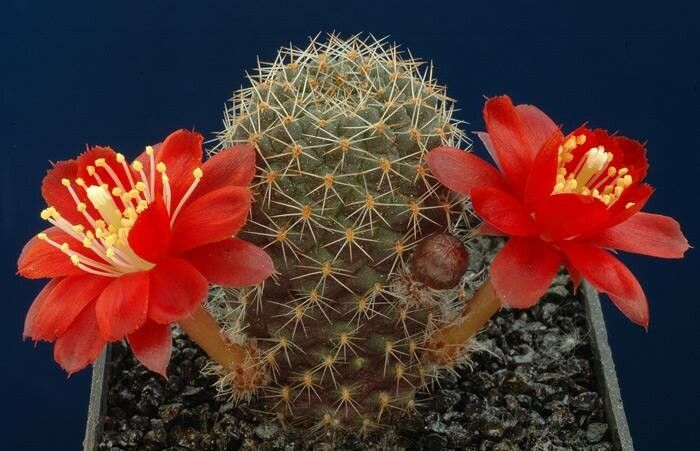
Aylostera fusca, sometimes known as the brown or dark-skinned Aylostera, is a captivating member of the Cactaceae family, prized for its diminutive size, densely-packed spines, and often-attractive, colourful flowers. Its compact form and relatively easy cultivation (once established) have made it a popular choice among cactus enthusiasts. However, propagation presents some unique challenges, making successful cultivation all the more rewarding. This article explores different propagation methods for Aylostera fusca, weighing their viability and outlining practical steps.
Seed Germination:
Seed germination is a viable method for Aylostera fusca propagation, although it presents certain challenges.
-
Challenges: Aylostera fusca seeds are notoriously tiny and require meticulous care to prevent fungal growth and ensure successful germination. The germination rate can be low, and seedlings are delicate and vulnerable to damping-off.
-
Practical Tips: Sow seeds on a well-drained, sterile seed-starting mix. Maintain high humidity (e.g., using a humidity dome) and consistent warmth (around 20-25°C). Avoid overwatering, which is critical to preventing fungal infections. Gentle bottom watering is recommended. Stratification is typically not required. Sterilizing the seed starting mix and using a fungicide can significantly improve success rates.
- Rewards: Seed germination offers the significant advantage of generating genetic diversity and the potential for large-scale propagation, enabling the production of many plants from a single seed pod.
Cuttings:
Cuttings are generally not a reliable propagation method for Aylostera fusca. These cacti don’t readily produce stems suitable for cutting propagation. Attempting to propagate from cuttings often results in rot before callusing and root development can occur.
Division:
Division is a viable method, but only applicable to mature, well-established plants that have produced offsets (pups).
-
Challenges: Mature Aylostera fusca plants sometimes produce offsets that can be separated. However, these offsets are often small and delicate, requiring careful handling to avoid damage. The risk of rot remains a major concern
-
Practical Tips: Use a clean, sharp knife or scalpel to separate offsets. Allow the cut surfaces to callus over for several days before planting them in a well-draining cactus potting mix. Avoid overwatering until roots have developed.
- Rewards: Division is a relatively straightforward method, producing genetically identical plants.
Tissue Culture:
Tissue culture is a viable, though technically advanced, method for Aylostera fusca propagation.
-
Challenges: Tissue culture requires specialized equipment, sterile conditions, and a strong understanding of plant tissue culture techniques. This is not a beginner-friendly method.
-
Practical Tips: This involves establishing sterile cultures from plant tissue fragments on appropriate media containing plant hormones. The process requires meticulous attention to detail and aseptic techniques to prevent contamination.
- Rewards: Tissue culture offers the possibility of mass propagation and the elimination of diseases.
Conclusion:
Propagating Aylostera fusca presents unique challenges, with seed germination offering the most potential for large-scale production and genetic diversity, yet requiring patience and meticulous care. Division is feasible for mature plants with offsets, while cuttings are not generally successful. Tissue culture provides an advanced,high-yield option for experienced propagators. Despite the difficulties, the rewarding feeling of successfully cultivating these captivating little cacti, from seed or offset, far outweighs the challenges. Remember patience and attention to detail are key to success. Don’t be discouraged by initial setbacks – the journey is half the fun!