
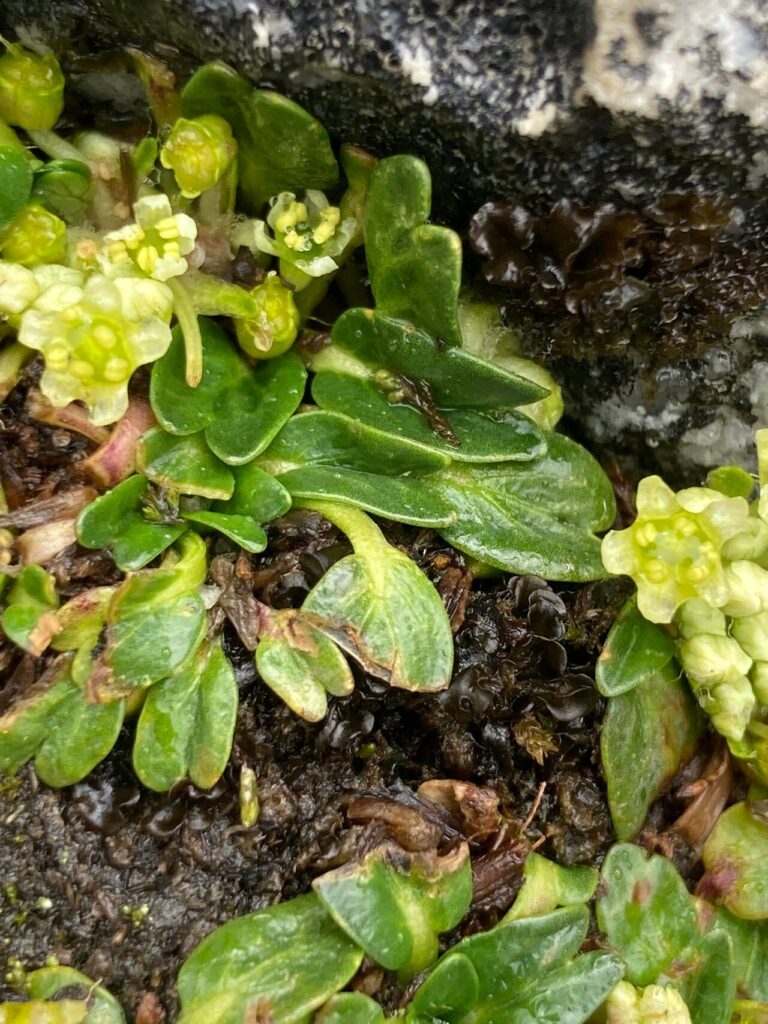
Propagating Azorella biloba: A Gardener’s Challenge and Reward
Azorella biloba, commonly known as cushion plant or yareta, is a fascinating and increasingly popular groundcover prized for its dense, moss-like cushions and resilience. Native to high-altitude regions of South America, its unique form and adaptation to harsh conditions make it a sought-after addition to rock gardens and alpine landscapes. However, propagating this hardy plant presents unique challenges, requiring patience and a nuanced approach.
Seed Germination:
Currently, there are no known reliable methods for seed germination propagation of Azorella biloba. While Azorella biloba does produce seeds, their germination rate is exceptionally low, even under controlled conditions. The challenges likely stem from a combination of factors, including dormancy mechanisms, specific environmental requirements, and potentially a requirement for mycorrhizal fungi association for successful germination. Further research into these factors is needed to develop reliable seed propagation techniques.
Cuttings:
Propagating Azorella biloba through cuttings presents a more viable, albeit still challenging, option.
- Challenges: Cuttings are slow to root and require a high humidity environment to prevent desiccation. The success rate is moderate, with many cuttings failing to establish roots.
- Practical Tips: Semi-hardwood cuttings taken in late spring or early summer are generally recommended. These cuttings should be about 4-6cm long, taken from healthy, actively growing shoots. Use a sharp, clean blade to avoid damaging the tissues. Dip the cuttings in a rooting hormone before planting them in a well-draining, sterile propagation mix. A misting system or humidity dome is crucial to maintain high humidity levels. Bottom heat can also improve rooting success.
- Rewards: Successful propagation from cuttings provides a relatively quick way to increase the number of plants, maintaining the genetic characteristics of the parent plant.
Division:
Division is arguably the most reliable method for propagating Azorella biloba.
- Challenges: Azorella biloba forms dense, interwoven mats, and dividing them without damaging the plant can be intricate. Overly aggressive division can severely weaken or kill the parent plant.
- Practical Tips: Division is best performed in spring or early fall. The plant should be carefully dug up, and the mat gently separated into smaller sections, ensuring each section has a substantial root system. Planting these sections should be done promptly to minimize stress.
- Rewards: Division offers high success rates, providing a rapid way to obtain new plants while minimizing the risk of disturbing the original plant excessively. This is especially useful for quickly expanding existing patches.
Tissue Culture:
Tissue culture offers a potentially promising method for large-scale propagation of Azorella biloba.
- Challenges: Establishing sterile cultures and identifying optimal growth media and hormone combinations for Azorella biloba requires specialized knowledge and laboratory facilities. This method is costly and technically complex.
- Practical Tips: This method is best left to experienced tissue culture labs equipped for sterile techniques and specialized growth media development for recalcitrant species. The processes would involve sterile explant preparation, selection of suitable media (with plant growth regulators), subculturing, and eventually acclimatization of plantlets to ex-vitro conditions.
- Rewards: Tissue culture offers the possibility of rapid and large-scale propagation, making it ideal for commercial applications or the conservation of rare varieties.
Conclusion:
Propagating Azorella biloba is not an easy feat. While division offers the most consistent success, cuttings are a viable alternative requiring patience and attention to detail. Seed propagation currently remains unreliable. Tissue culture, while promising for mass propagation, requires specialized skills and resources. The challenges inherent in propagating this unique plant only amplify the satisfaction derived from successfully cultivating it. The dense cushion formed is a testament to the care and perseverance required, and the resulting plant serves as a beautiful reward for the patient gardener. For aspiring propagators, starting with division is recommended, while researching and learning advanced propagation techniques may open up new avenues for success with cuttings, and perhaps, someday, with the challenging seed germination.