
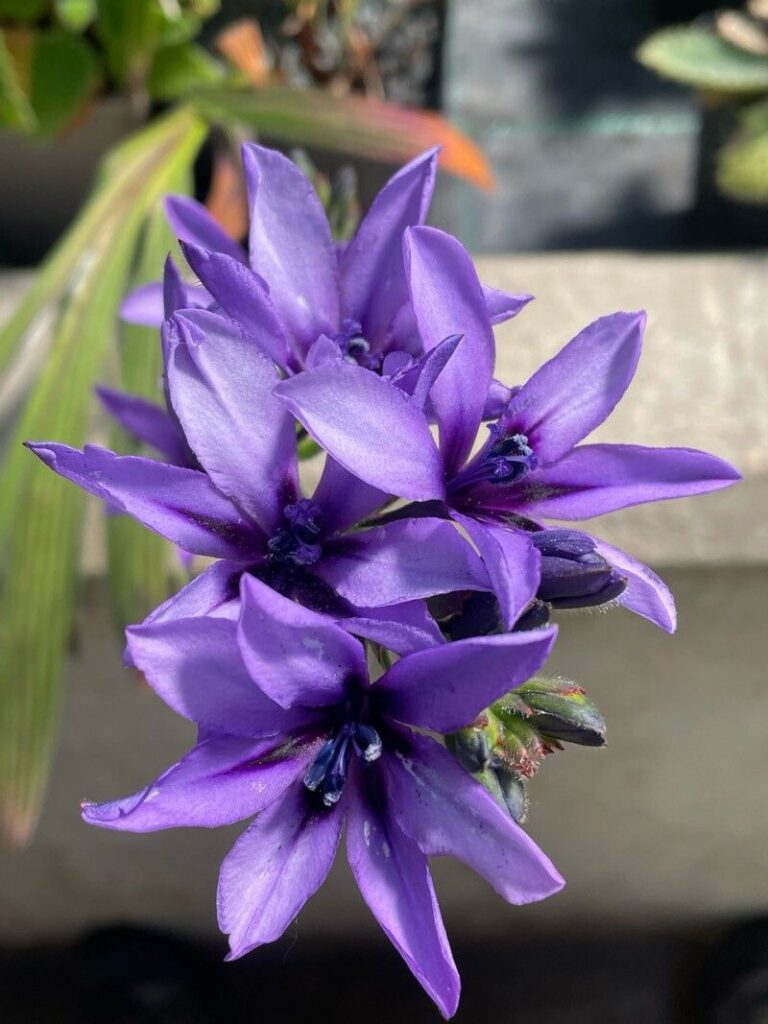
Propagating Babiana angustifolia: A Gardener’s Guide to the Narrow-leaved Babiana
Introduction:
Babiana angustifolia, also known as the narrow-leaved babiana, is a captivating member of the Iridaceae family, prized for its delicate, vibrant flowers and intriguing corms. Native to South Africa, this species boasts a rich diversity of flower colors, ranging from deep blues and purples to soft pinks and whites, adding a touch of exotic beauty to any garden. Its relative ease of cultivation (once established) has boosted its popularity among gardeners, particularly those specializing in geophytes or South African flora. However, propagation presents some unique challenges, making successful cultivation a rewarding experience.
Seed Germination:
Seed germination of Babiana angustifolia is possible but presents significant challenges. Dormancy is a common hurdle, requiring a period of stratification to break the seed’s natural rest. Successful germination often necessitates mimicking the natural conditions experienced by the seeds in their native habitat.
Challenges: Low germination rates are frequently reported, requiring large quantities of seed for successful propagation. Incorrect timing of sowing and inadequate stratification are common causes of failure. Furthermore, fungal diseases can impact young seedlings.
Practical Tips: Scarification (lightly nicking the seed coat) and cold stratification (moistening seeds and keeping them at 3-5°C for 6-8 weeks) are beneficial. Sowing should occur in a well-draining seed-starting mix in spring, ensuring adequate moisture and warmth (around 20°C). Use a fungicide to mitigate fungal attack.
Rewards: Successfully germinated seeds offer the opportunity to grow plants genetically diverse from the parent plant, maximizing the potential for new flower colors and variations. Seed propagation offers the potential for large-scale propagation if challenges are overcome.
Cuttings:
Currently, there are no known reliable methods for propagating Babiana angustifolia from cuttings. The plant’s cormoid growth habit relies on underground storage organs, making stem or leaf cuttings unlikely to produce a new plant.
Division:
Division of corms is the most reliable method for propagating Babiana angustifolia.
Challenges: Successful division requires careful handling of the delicate corms to avoid damage and ensure each division has sufficient roots and a healthy growth point. Overcrowding can negatively impact the health and flowering of the resulting plants.
Practical Tips: Division should be undertaken during the plant’s dormant period (usually late summer or early autumn). Each division should include a portion of the rhizome and at least one healthy growth point. Plant divisions should be spaced appropriately to avoid competition for resources.
Rewards: Division is a relatively straightforward method offering high success rates compared to seed germination. It allows the quick propagation of a desirable cultivar, preserving its characteristics.
Tissue Culture:
Tissue culture techniques could potentially be used to propagate Babiana angustifolia, but this method requires specialized knowledge, equipment, and sterile conditions.
Challenges: Establishment of sterile cultures, selection of appropriate media, and optimization of hormonal treatments for shoot proliferation and root development require significant expertise and specialized laboratories. Costs can be substantial.
Practical Tips: Research on suitable explant types (e.g., corm segments), media composition, and growth regulator combinations is essential for success. Strict aseptic procedures must be followed.
Rewards: Tissue culture offers the potential for mass propagation of virus-free plants, and allows for rapid multiplication of desirable cultivars.
Conclusion:
Propagating Babiana angustifolia presents both challenges and rewards. While seed germination is possible, with considerable effort, corm division remains the most accessible and reliable method for most gardeners. Tissue culture offers immense potential for large-scale propagation but remains inaccessible to the average grower. The unique characteristics of this plant, coupled with the satisfaction of overcoming the propagation hurdle, makes successful cultivation a rewarding experience for enthusiasts. For aspiring propagators, starting with corm division is recommended, while embracing the challenges of seed germination offers a more significant horticultural accomplishment. Patience, observation, and attention to detail are key for success, regardless of the method chosen.