
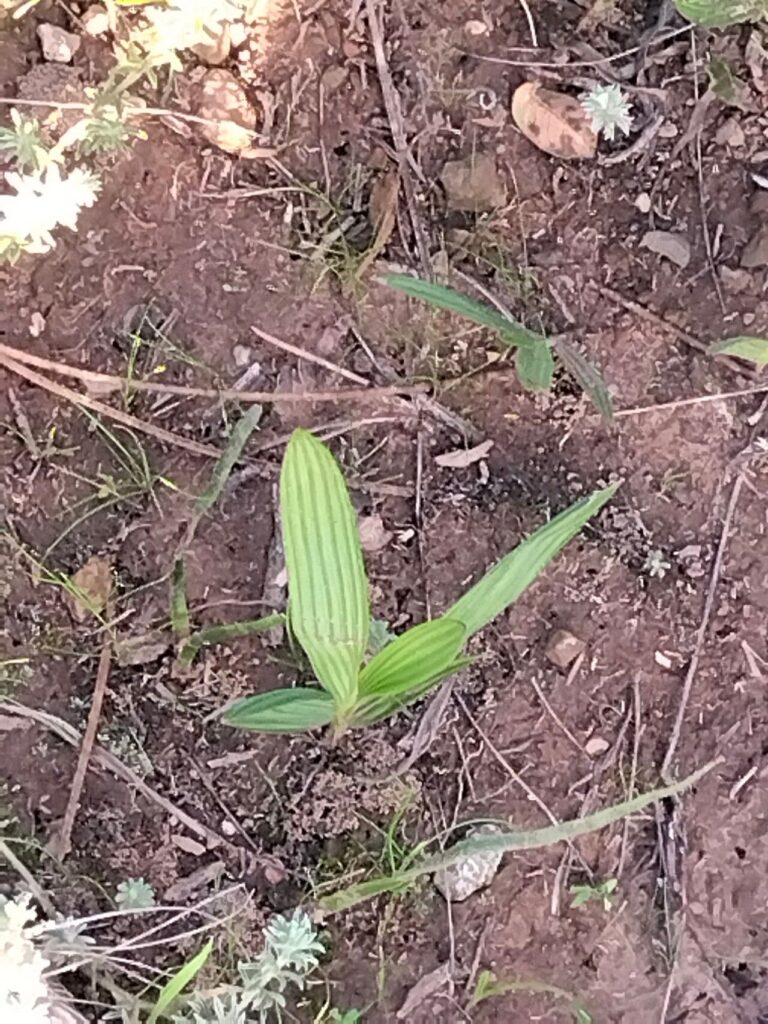
Propagating Babiana odorata: A Fragrant Challenge
Babiana odorata, commonly known as the Sweet Babiana, is a captivating member of the Iridaceae family, prized for its fragrant, typically purple, flowers and attractive foliage. Native to South Africa, its delicate beauty and unique charm have earned it a place in the hearts of many gardeners, although its propagation presents certain challenges. Its popularity among plant enthusiasts stems not only from its aesthetic appeal but also from its relatively uncommon status in cultivation, making successful propagation a rewarding endeavor. This article explores various methods for propagating Babiana odorata, examining their viability and outlining the associated challenges and rewards.
Seed Germination:
Currently, there are no known reliable methods for seed germination propagation of Babiana odorata. While seed production occurs, the germination rate is extremely low, even under carefully controlled conditions. Extensive research would be needed to determine if specific pre-treatment techniques (such as scarification or stratification) could improve germination success. The challenges are likely linked to the complex dormancy mechanisms of the seeds, which may require specific environmental cues to break.
Cuttings:
Propagating Babiana odorata from cuttings is also problematic. This species does not readily produce roots from stem or leaf cuttings. While some success might be achieved with specialized hormone applications and high humidity environments using basal stem cuttings, the method remains largely unreliable and inefficient for mass production. The challenges lie in the plant’s physiological predisposition and its resistance to adventitious root formation.
Division:
Division of corms is the most effective and readily achievable method for propagating Babiana odorata. This technique involves carefully separating the offsets (smaller corms) produced around the main corm during the plant’s dormant period (typically late summer/early autumn).
Challenges: The main challenge lies in ensuring that each division possesses sufficient root material and healthy growing points. Damaging the corms during separation can lead to rotting and failure.
Practical Tips: Gently dig up the corms, brush away soil, and carefully separate the offsets using a clean, sharp knife or your fingers. Treat any cuts with a fungicide to prevent fungal infections. Plant the separated corms at the same depth as the original plant in well-drained soil.
Rewards: Division offers a high success rate compared to other methods, allows for quick propagation of desirable cultivars, and is relatively simple to perform.
Tissue Culture:
Tissue culture offers a potential avenue for large-scale propagation of Babiana odorata. This advanced technique involves growing plantlets from small pieces of tissue in a sterile, nutrient-rich medium.
Challenges: Establishing a suitable tissue culture protocol for Babiana odorata would require significant research and expertise, including identifying appropriate growth media, hormones, and sterilization techniques. This method typically involves specialist equipment and experienced personnel, making it expensive and not readily accessible to home propagators.
Rewards: Tissue culture offers the potential for mass production of genetically uniform plants, rapid multiplication, and disease-free stock.
Conclusion:
Propagating Babiana odorata presents significant challenges. While division offers the most reliable method for the average gardener, seed germination and cuttings prove largely ineffective. Tissue culture, while holding the promise of large-scale propagation, requires specialized knowledge and resources. However, the unique fragrance and beauty of this species make the effort worthwhile. The reward of successfully nurturing a Sweet Babiana from a tiny corm or, more ambitiously, through tissue culture, offers immense satisfaction, testament to the gardener’s perseverance and skill. For aspiring propagators, starting with corm division is the sensible first step, fostering confidence and appreciation for the delicate nature of this beautiful South African native. Remember to prioritize well-drained soil, adequate sunlight, and protection from severe frost to ensure the best chance of success.