
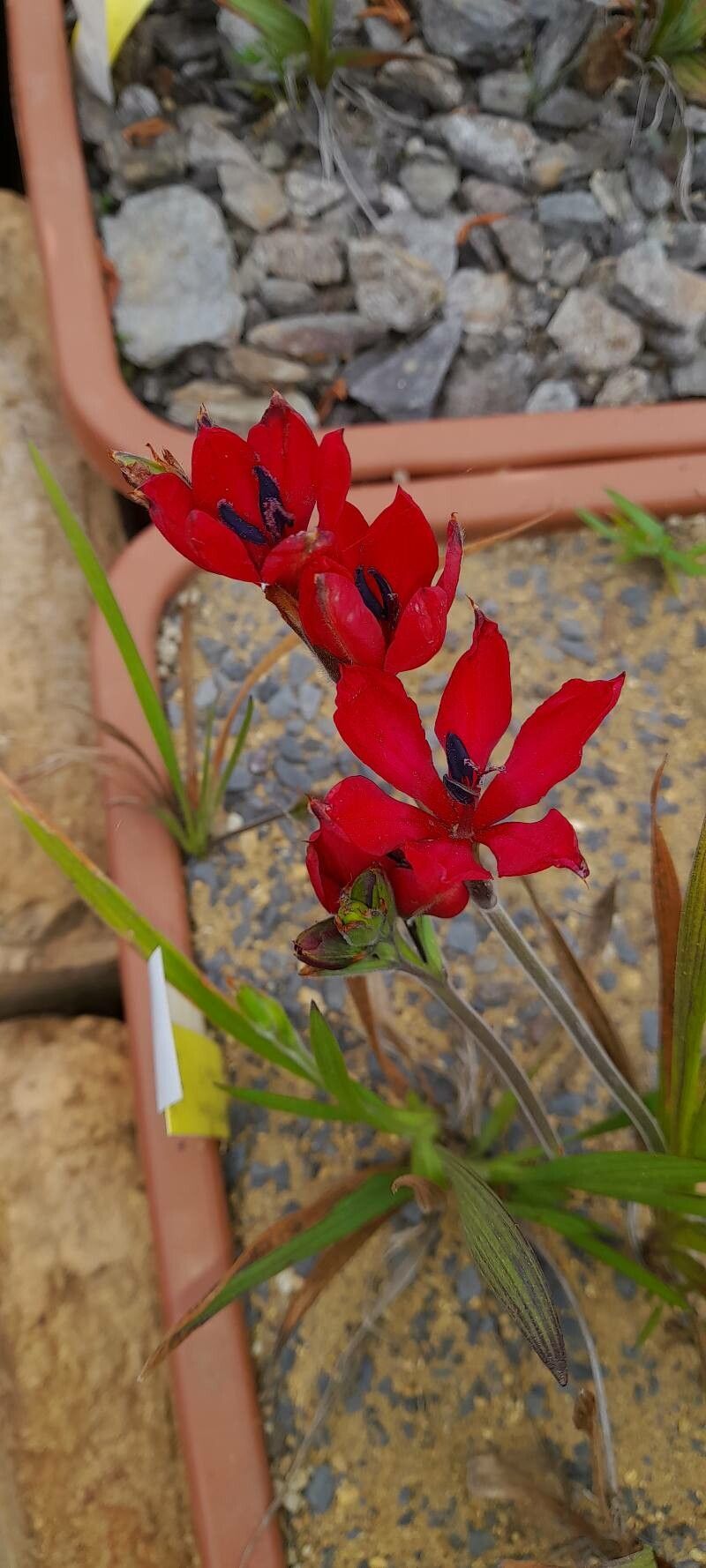
Propagating the Fuzzy Treasure: A Guide to Growing Babiana villosa
Introduction:
Babiana villosa, also known as the Hairy Babiana, is a captivating member of the Iridaceae family, boasting delicate, often purple, flowers and fuzzy leaves. Native to South Africa, this charming geophyte is gaining popularity among gardeners for its striking blooms and relatively easy cultivation (once established). However, propagation presents unique challenges. Its popularity stems not just from its beauty, but also from the desire to preserve and increase the genetic diversity of this relatively uncommon bulb species. This guide explores various propagation methods for Babiana villosa, outlining their successes and drawbacks.
Seed Germination:
Currently, there are no known reliable methods for seed germination propagation of Babiana villosa. While seeds may be produced, germination rates are extremely low, and even under optimal conditions, success is inconsistent. Further research is needed to determine if specific pre-treatment methods (such as scarification or specific temperature stratification) might improve germination success.
Cuttings:
Cuttings are not a viable method for propagating Babiana villosa. This plant’s corms (underground storage organs) are the primary means of vegetative propagation. Stem cuttings do not reliably produce roots or new corms.
Division:
Division is the most reliable and commonly used method for propagating Babiana villosa. Mature corms often produce smaller offset corms around the main corm during their dormancy period.
Challenges: The main challenge lies in carefully separating these offsets without damaging the delicate root system of either the parent corm or the offshoots. Overly vigorous separation can lead to rotting or reduced growth in the following season.
Practical Tips: The best timing for division is during the plant’s dormant period, typically after the foliage has died back and the corms have been removed from the ground. Gently brush away soil to reveal the corms and their offsets. Use a sharp, clean knife or a small trowel to separate the offsets, ensuring each has a portion of root attached. Plant the separated corms individually, ensuring proper spacing and depth.
Rewards: Division offers the fastest and most reliable way to increase the number of Babiana villosa plants. It also maintains the genetic characteristics of the parent plant.
Tissue Culture:
Tissue culture offers a potential, although technically demanding, method for propagating Babiana villosa.
Challenges: Establishing a suitable sterile protocol for in vitro culture can be challenging. Identifying appropriate growth media and hormones to induce corm formation and shoot proliferation requires specialized knowledge and experimentations. Contamination risk is also significant.
Practical Tips: This method is best suited for specialized nurseries or laboratories with experience in plant tissue culture. Protocols would need to be developed specifically for Babiana villosa, involving the selection of appropriate explant material (e.g., nodal segments), sterilization techniques, and nutrient media.
Rewards: Tissue culture offers the potential for large-scale propagation of Babiana villosa and the potential for producing disease-free plants. It presents an avenue for the preservation of rare or endangered cultivars.
Conclusion:
Propagating Babiana villosa presents unique challenges. While seed germination currently seems impractical, corm division offers the most reliable approach for most gardeners. Tissue culture holds the potential for more extensive propagation, but demands considerable expertise. The success in growing this plant, regardless of method, relies on patience and careful attention to detail. The inherent beauty of Babiana villosa and the satisfaction of nurturing a plant successfully from a small offset, through the dormant season and into its vibrant flowering, however, makes overcoming the difficulties exceptionally rewarding. Aspiring propagators should start with corm division and progressively consider other methods if you have access to the needed facilities and expertise. The journey of cultivating this uniquely beautiful plant is as rewarding as the final bloom.