
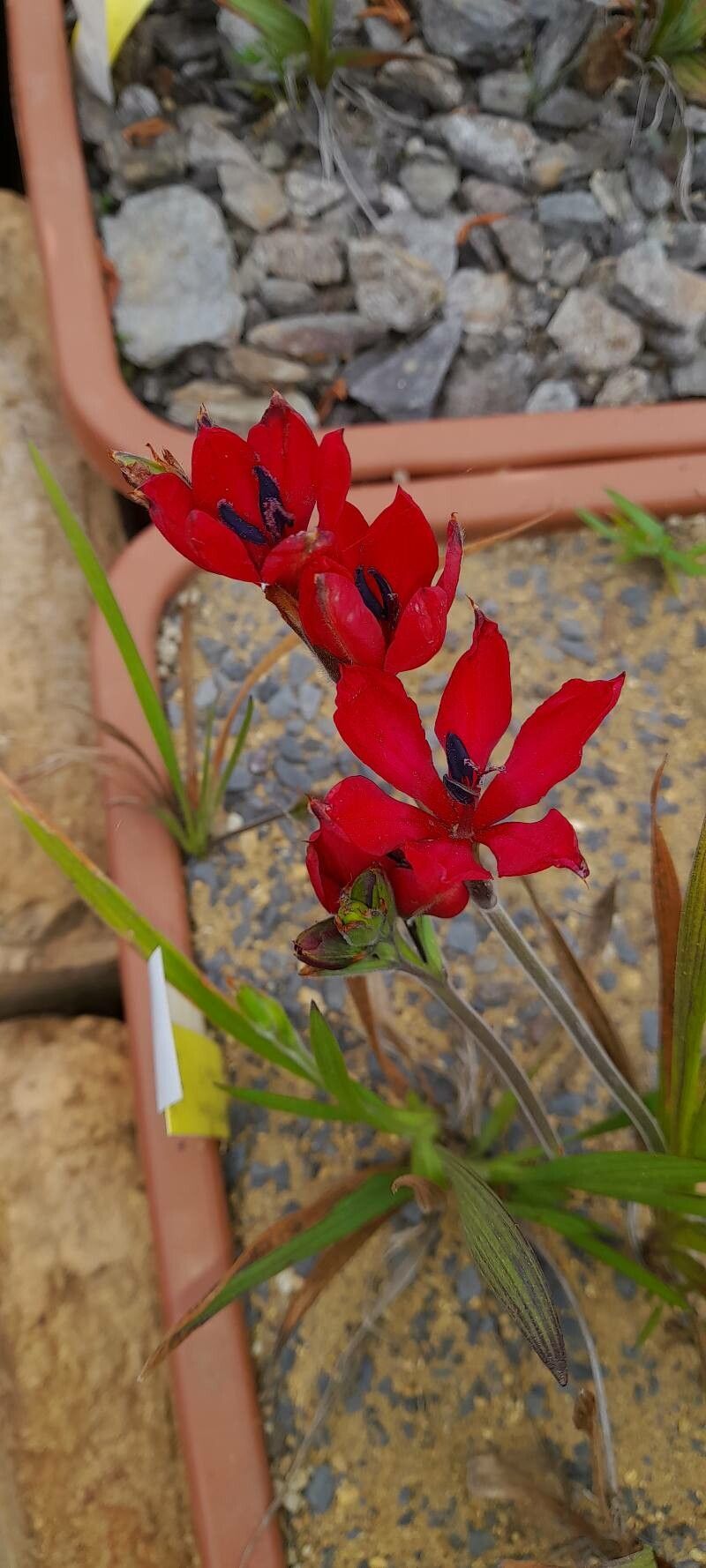
Propagating Babiana villosa: Unlocking the Secrets of the Hairy Babiana
Babiana villosa, commonly known as the Hairy Babiana, is a captivating member of the Iridaceae family, prized for its vibrant, often blue or purple, flowers and its charming, hairy leaves. Native to South Africa, this geophytic beauty is gaining popularity among gardeners for its unique appearance and relatively easy cultivation (once established). However, propagation presents some distinct challenges, making successful cultivation a rewarding achievement. Its relatively low propagation success rate compared to other bulbs adds to its allure for plant enthusiasts.
Seed Germination:
Currently, there are no known reliable methods for seed germination propagation of Babiana villosa. While seeds may be produced, germination rates are extremely low, and even when germination occurs, seedlings are often weak and slow to develop. Further research into specific germination requirements, including potential stratification techniques and hormonal treatments, is necessary.
Cuttings:
Cuttings are also not a viable propagation method for Babiana villosa. This species does not readily produce new plants from stem or leaf cuttings. The corms are the primary means of vegetative reproduction and regeneration.
Division:
Division of corms is the most successful method for propagating Babiana villosa. This involves carefully separating the numerous small cormels that form around the mother corm during the dormant season.
- Challenges: Dividing the corms too early or too late can hinder plant success. Ensuring each cormlet has sufficient root material is crucial for establishing new plants. Damage to the corms during division can lead to rotting or reduced vigor.
- Practical Tips: Division should be carried out during the plant’s dormancy period, typically after the foliage has died back completely. Use a sharp, clean knife or tool to separate the cormlets, ensuring each has a portion of the root system attached. Allow the divided corms to dry slightly before planting them in well-draining soil.
- Rewards: Division offers a relatively straightforward way to increase the number of plants and provides a quick method for propagation unlike the lengthy process of growing from seed. It also helps maintain the genetic characteristics of the parent plant.
Tissue Culture:
Tissue culture offers a potential, albeit complex, method for propagating Babiana villosa. This advanced technique allows for rapid multiplication of plants from small tissue samples under sterile conditions.
- Challenges: Tissue culture requires specialized equipment, aseptic techniques, and expertise in plant tissue culture methodologies. Establishing optimal culture conditions for Babiana villosa might require considerable experimentation. The initial investment in equipment and materials can be substantial.
- Practical Tips: Consultation with plant tissue culture specialists is recommended. Standard tissue culture protocols for related species may serve as starting points, but optimization for Babiana villosa will likely be necessary.
- Rewards: Tissue culture allows for large-scale propagation and the potential for disease-free plants. It can also be used to preserve rare or endangered cultivars.
Conclusion:
Propagating Babiana villosa presents unique challenges, with division of corms being the most reliable method currently available. While seed germination and cuttings are not viable, tissue culture offers a promising avenue for large-scale propagation, albeit one demanding specialized knowledge and resources. The rewards of successfully cultivating this stunning plant, however, far outweigh the difficulties. The vibrant blooms and the sense of accomplishment derived from nurturing these delicate plants from small cormels or through sophisticated tissue culture techniques make the effort richly worthwhile. For aspiring propagators, patience, meticulous care, and possibly collaboration with experts are key to unlocking the secrets of this captivating species. Don’t be discouraged by initial setbacks – the beauty of a thriving Hairy Babiana is a testament to your dedication and perseverance.