
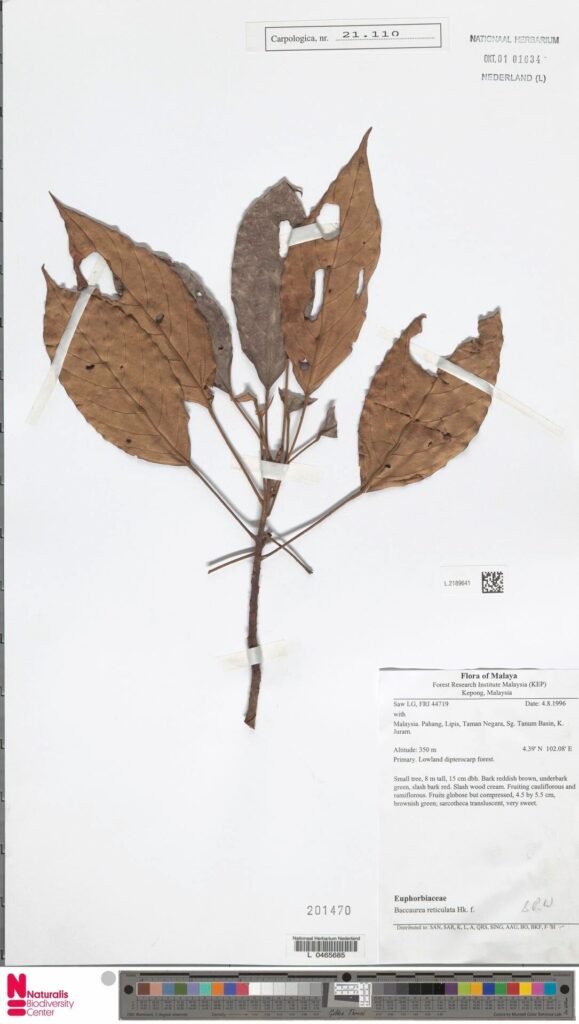
Propagating Baccaurea reticulata: Unveiling the Secrets of the Mundu
Introduction:
Baccaurea reticulata, commonly known as Mundu, is a captivating tropical fruit tree prized for its delicious, slightly acidic fruits with a unique flavour profile. Its attractive foliage and relatively compact size make it a sought-after addition to home orchards and specialized collections. However, propagating Mundu presents certain challenges due to its specific environmental needs and relatively low seed viability. Understanding these challenges and employing the right techniques is crucial to successful propagation. While achieving success might require patience and persistence, the rewards of cultivating this unique fruiting tree are considerable.
Seed Germination:
Seed germination is a viable, albeit challenging, method for propagating Baccaurea reticulata. However, success rates are often low due to several factors, including the short viability period of the seeds and dormancy mechanisms.
-
Challenges: Seeds require fresh harvesting, as viability drastically decreases within weeks of removal from the fruit. Seed coat dormancy may also hinder germination. Additionally, fungal infections can be a significant hurdle.
-
Practical tips: Seeds should be sown immediately after extraction from ripe fruits. Pre-sowing treatments such as scarification (carefully nicking the seed coat) or soaking in water for 24-48 hours might improve germination rates. Sowing in a well-draining, moisture-retentive seed-starting mix is essential. Maintaining high humidity and warm temperatures (25-30°C) is crucial. Proper sanitation to prevent fungal growth is paramount.
- Rewards: Seed propagation offers the potential for generating genetic diversity within a seedling population, creating a wider range of plant characteristics. It is also a relatively inexpensive method suitable for large-scale propagation, assuming a high-quality seed source and optimized techniques.
Cuttings:
Propagating Baccaurea reticulata from cuttings presents significant difficulties.
-
Challenges: Mundu is notoriously difficult to root from cuttings. The success rate is generally very low, even with the application of rooting hormones and optimal environmental conditions.
-
Practical Tips: While some anecdotal evidence suggests that semi-hardwood cuttings might show some potential, a precise procedure with high success rates remains elusive. Trials using different rooting hormones, mist propagation systems, and basal heat may be explored.
- Rewards: Successful rooting from cuttings would allow for the rapid propagation of desirable genotypes, preserving superior fruiting characteristics. However, difficulties often outweigh the potential rewards.
Division:
Division is not a practical propagation method for Baccaurea reticulata. This plant does not form suckers or readily separate into independent plants.
Tissue Culture:
Tissue culture offers the most promising, though technically demanding, method for propagating Baccaurea reticulata.
-
Challenges: Establishing sterile cultures and developing optimized media formulations specific to Baccaurea reticulata requires specialized expertise and laboratory facilities. The process is time-consuming and costly.
-
Practical Tips: Specialized knowledge of plant tissue culture techniques is essential. The protocol would need to include carefully selected explant types, appropriate nutrient media, growth regulators, and sterilization procedures.
- Rewards: Tissue culture offers the potential for rapid and large-scale propagation of disease-free plants with consistent genetic material, particularly valuable for preserving superior cultivars. It allows for the multiplication of elite genotypes otherwise difficult to propagate.
Conclusion:
Propagating Baccaurea reticulata presents unique challenges across all common methods. While seed germination offers a relatively inexpensive path to genetic diversity, success is limited by seed viability and pre-germination challenges. Cutting propagation yields generally low success rates. Division is not feasible, leaving tissue culture as the most promising, yet resource-intensive, method for large-scale and consistent propagation.
Despite these difficulties, the rewarding experience of nurturing a Mundu tree from propagation, especially through the more challenging seed germination methods, is deeply satisfying. The eventual harvest of its flavorful, unique fruit is a testament to the perseverance and dedication of the cultivator. The rewards easily outweigh the challenges for those willing to experiment and learn. For aspiring propagators, patience, meticulous record keeping, and a willingness to adapt techniques are key ingredients to success. Don’t be disheartened by initial setbacks – the journey of successfully cultivating this interesting tree is a rewarding one in itself.