
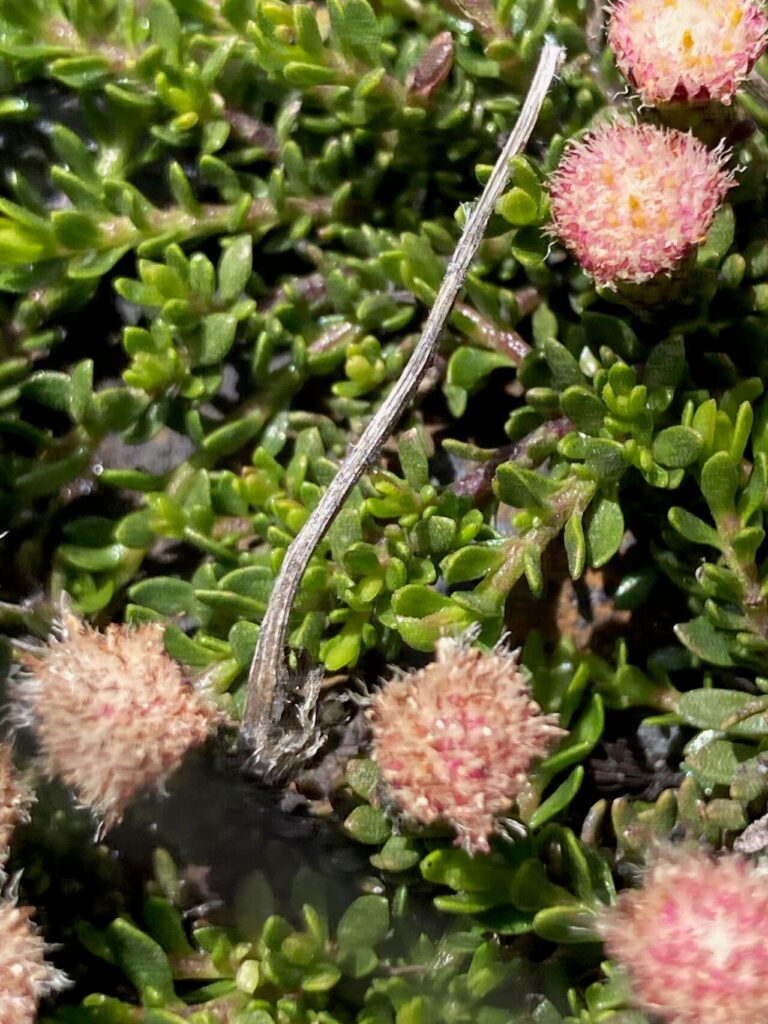
Propagating Baccharis alpina: A Mountain Challenge
Introduction:
Baccharis alpina, also known as the alpine baccharis or (less commonly) mountain baccharis, is a striking shrub native to high-altitude regions. Its resilience to harsh conditions and attractive, though often understated, foliage make it a sought-after plant among gardeners specializing in alpine or rock gardens. While not as widely cultivated as some other species, its unique adaptations and the challenge of its propagation contribute to its appeal. The relative difficulty in propagating this plant further enhances its desirability for dedicated gardeners.
Seed Germination:
Currently, there are no known reliable methods for seed germination propagation of Baccharis alpina. Limited research is available on its reproductive biology, and its high-altitude habitat may contribute to challenges in achieving successful germination under cultivated conditions. Further research is needed to determine the optimal conditions, if any, for seed germination.
Cuttings:
Cuttings present a more promising route to propagating Baccharis alpina.
Challenges: The success rate of cuttings can be low, potentially due to hormonal factors impacting rooting or the plant’s adaptation to specific environmental conditions in its native habitat. The relatively woody nature of the stems might hinder rooting.
Practical Tips: Semi-hardwood cuttings taken in late summer or early autumn, preferably from non-flowering stems, often yield the best results. Using a rooting hormone, providing a consistently humid environment (e.g., propagation chamber or covered tray), and maintaining a suitable temperature (around 18-21°C) are crucial for success. A well-draining substrate, such as a peat and perlite mix, is recommended.
Rewards: Cuttings offer a quicker method to produce clones of desirable plants, preserving specific characteristics like a particular growth habit or disease resistance.
Division:
Division of established Baccharis alpina plants is a feasible method, though not always effective, particularly for smaller specimens.
Challenges: Mature Baccharis alpina plants may have a relatively deep and robust root system, making careful division challenging. Damage to roots can significantly impact the survival rate of divided sections.
Practical Tips: Division is best undertaken in spring or early autumn when the plant is actively growing or becoming dormant. Sharp, clean tools are essential to minimize damage to roots and stems. Ensure each section retains a sufficient number of roots and shoots. Replant the divisions promptly and thoroughly water them.
Rewards: Division is a relatively fast and straightforward method for established plants, and each division results in a complete, mature plant.
Tissue Culture:
Tissue culture is a rarely explored method for propagating Baccharis alpina.
Challenges: Establishing sterile cultures and identifying appropriate growth media and hormonal treatments for successful shoot multiplication and rooting could prove to be highly specialized and expensive. Limited research in this area exists.
Practical Tips: This method requires specialized knowledge, equipment, and a sterile laboratory environment. Extensive experimentation would likely be needed to optimize culture conditions for this species.
Rewards: Tissue culture allows for rapid multiplication of genetically identical plants, a technique particularly useful for rare or threatened varieties. It can also allow for the elimination of diseases from an original plant.
Conclusion:
Propagating Baccharis alpina presents unique challenges, primarily due to limited research and the plant’s specific environmental adaptations. While seed germination appears impractical at present, cuttings and division offer viable (though not always successful) options. Tissue culture, while potentially highly efficient, demands specialized expertise and resources. The rewards of successfully cultivating this remarkable plant – the satisfaction of mastering a challenging propagation process and the possession of a resilient, adaptive shrub – make the effort richly rewarding for the enthusiastic gardener. Patience, meticulous technique, and a willingness to experiment are key to success. Keep detailed records of your methods and results; this accumulated knowledge is essential for future propagation efforts and contributes to the collective understanding of this intriguing species.