
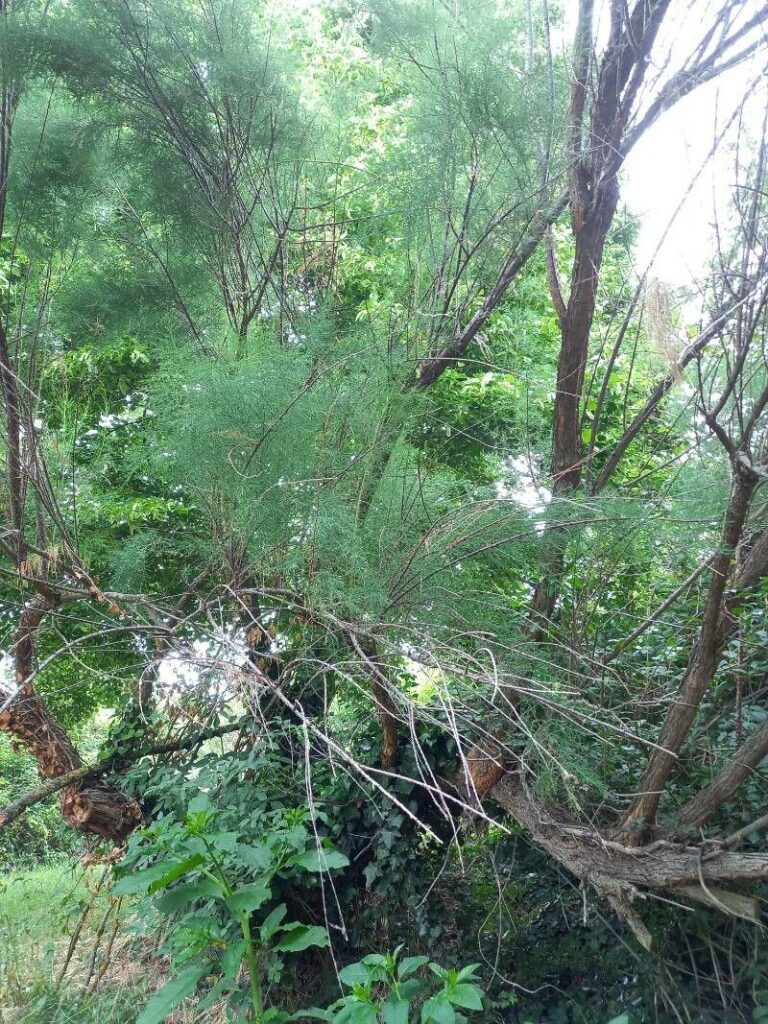
Propagating Baccharis angustifolia: A Guide to the Narrowleaf Baccharis
Introduction:
Baccharis angustifolia, commonly known as narrowleaf baccharis or willow baccharis, is a resilient shrub native to the southwestern United States and Mexico. Its lanceolate leaves, prolific white flowers, and adaptability to dry conditions make it a popular choice among gardeners seeking drought-tolerant landscaping options. Baccharis angustifolia also plays a crucial role in its native environment, providing habitat and food sources for wildlife. While relatively easy to establish once grown, propagation can present unique challenges. This article explores various methods for propagating Baccharis angustifolia, highlighting their viability and associated complexities.
Seed Germination:
Currently, there are no known reliable methods for seed germination propagation of Baccharis angustifolia. While the plant does produce seeds, their germination rate is notoriously low, and successful propagation from seed is rarely reported. Further research into specific seed treatments or germination requirements is needed.
Cuttings:
Cuttings offer a more reliable method of propagation for Baccharis angustifolia.
- Challenges: While relatively straightforward, success depends on proper timing and technique. Using softwood cuttings (taken from new growth in spring) generally yields the best results. Rotting can be a concern if the cuttings are not kept adequately ventilated and well-drained.
- Practical Tips: Take 4-6 inch cuttings from healthy, non-flowering stems. Remove lower leaves to prevent rot. Dip the cut ends in rooting hormone to stimulate root development. Plant the cuttings in a well-draining propagation mix (e.g., a blend of perlite and peat moss), ensuring good moisture retention but avoiding waterlogged conditions. Maintain high humidity through covering the cuttings with a plastic dome or bag. Place in a location with bright, indirect light.
- Rewards: Cuttings provide a relatively quick and easy way to produce genetically identical plants, ensuring the preservation of desirable traits. This method is ideal for smaller-scale propagation.
Division:
Division is another viable propagation technique for Baccharis angustifolia, particularly for established plants.
- Challenges: Requires a mature plant with well-established root systems. Improper division can severely damage the parent plant and reduce the success rate of the divisions.
- Practical Tips: The best time to divide is during the dormant season (late fall or early spring). Carefully dig up the mature plant, gently separating the root ball into smaller sections, each containing several stems and roots. Re-plant the divisions immediately, ensuring adequate spacing and watering.
- Rewards: Division allows for the rapid multiplication of plants, especially useful for a quick increase in numbers of a desirable cultivar. This method preserves the genetic characteristics of the parent plant.
Tissue Culture:
Tissue culture is a more technically demanding method that offers the potential for large-scale propagation of Baccharis angustifolia.
- Challenges: This method requires specialized equipment, sterile laboratory conditions, and a thorough understanding of plant tissue culture techniques. It is typically more expensive and time-consuming than other methods.
- Practical Tips: Sterile techniques are crucial to prevent contamination. Appropriate growth media and hormonal treatments must be employed to stimulate shoot and root development.
- Rewards: Tissue culture yields large numbers of genetically identical plants within a short period. It is also suitable for the propagation of disease-free stock.
Conclusion:
While Baccharis angustifolia presents propagation challenges, particularly with seed germination, cuttings and division offer reliable methods for gardeners of various skill levels. Tissue culture offers the potential for large-scale propagation, albeit with increased complexities. The rewards of successfully cultivating this resilient shrub – whether through the patient persistence of cuttings or the satisfying split of a mature plant – are evident in the beauty and hardiness of the resulting plants. The unique satisfaction comes not just from the resulting plants, but the knowledge and skill gained in overcoming the challenges inherent in propagating this species. Aspiring propagators should choose the method that best aligns with their resources and experience, remembering that patience and attention to detail are key to success.