
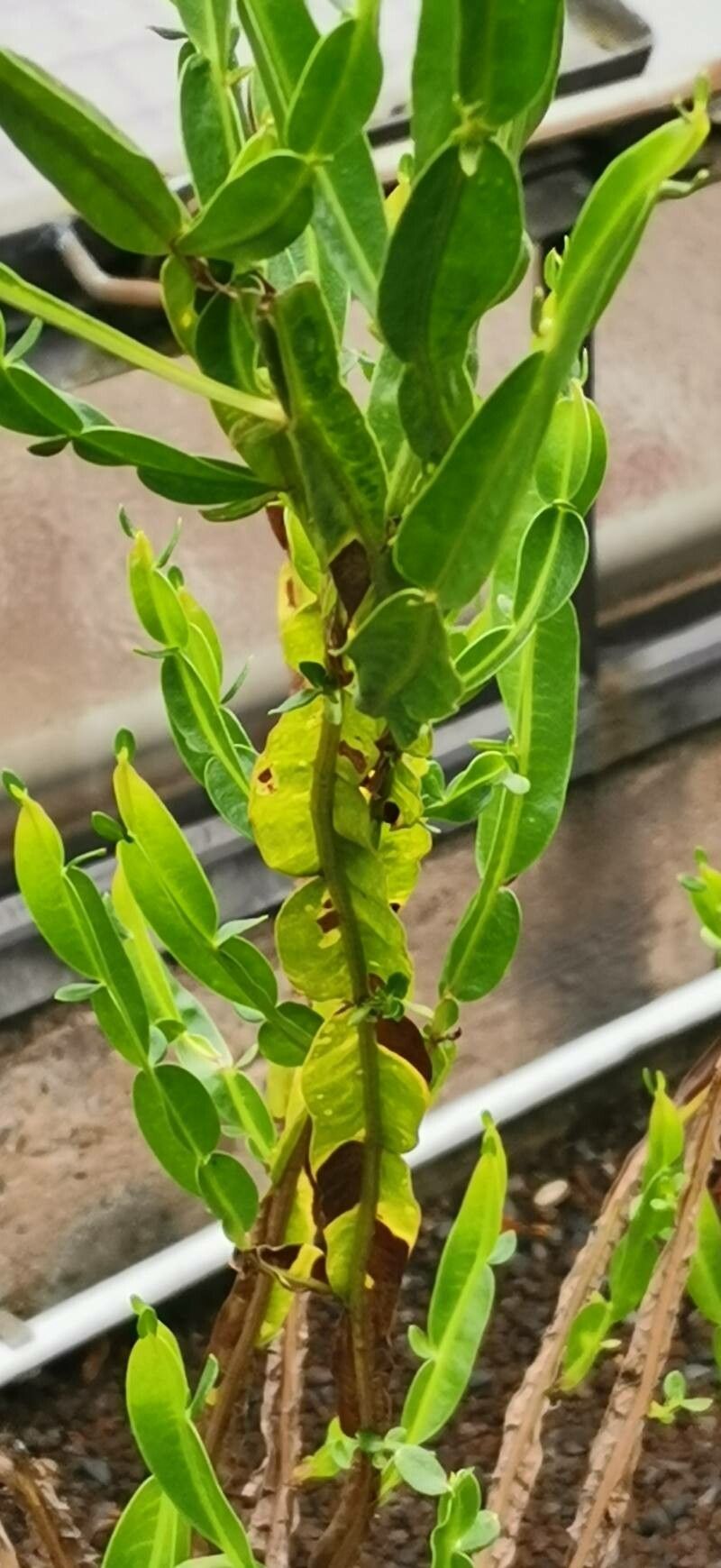
Propagating Baccharis genistelloides: A Guide for the Persistent Gardener
Baccharis genistelloides, commonly known as the "broom baccharis" or "plumerillo," is a striking shrub valued for its upright, broom-like form and attractive, silvery foliage. Its tolerance to drought and poor soils makes it a popular choice among gardeners seeking low-maintenance landscaping options, particularly in regions with Mediterranean climates. Its ability to attract beneficial insects adds to its horticultural allure, making propagation a desirable undertaking for both enthusiasts and professionals. However, propagating this species presents unique challenges and requires specific knowledge and techniques.
Seed Germination:
Currently, there are no known reliable methods for seed germination propagation of Baccharis genistelloides. While the plant does produce seeds, their germination rate is extremely low, and successful propagation from seed has not been consistently documented. Further research into specific seed treatment techniques might be needed to unlock the potential of seed propagation.
Cuttings:
Cuttings offer a more reliable method of propagating Baccharis genistelloides.
Challenges: Successfully rooting cuttings requires precise timing and conditions. The use of rooting hormone is highly recommended.
Tips: Take semi-hardwood cuttings (partially mature growth) in late summer or early autumn. Use a sharp, clean blade to prevent disease transmission. Remove lower leaves to prevent rot, and dip the cut end in a rooting hormone powder. Plant the cuttings in a well-draining propagation mix (e.g., perlite and peat moss) and maintain consistent moisture. High humidity, typically achieved with a plastic propagator or covering, is beneficial.
Rewards: Cuttings provide a relatively quick and efficient method of producing genetically identical plants, preserving desirable traits. It’s generally a more successful method than seed propagation.
Division:
Division, the separation of a mature plant into multiple smaller plants, is a viable option for Baccharis genistelloides, although it is less versatile than cuttings.
Challenges: This method is only effective with established, well-rooted plants. Larger plants are more likely to successfully divide. Rough handling can damage the root system, hindering the success rate.
Tips: The best time for division is during the dormant season (late autumn or early spring). Dig up the entire plant carefully and divide the root ball into multiple sections, each with its own established root system and stems. Plant each section immediately in a suitable location to minimize stress.
Rewards: Division provides an easier method than cuttings for expanding existing plants. It avoids the time-consuming rooting process of cuttings.
Tissue Culture:
Tissue culture propagation of Baccharis genistelloides is not widely practiced but presents a theoretical avenue for achieving large-scale propagation.
Challenges: Establishing and maintaining a sterile tissue culture laboratory is expensive and requires specialized knowledge and equipment. Optimizing the culture medium and hormonal treatments for optimal growth and shoot multiplication can require extensive experimentation and significant time investment.
Tips: Finding appropriate media recipes and growth conditions would require significant scientific investigation. Consult with plant tissue culture professionals.
Rewards: Tissue culture offers the potential for massive propagation of genetically identical plants from a single small sample, enabling large-scale commercial production.
Conclusion:
Propagating Baccharis genistelloides presents distinct challenges depending on the method employed. While seed germination proves unreliable, cuttings provide a favored technique for gardeners with a moderate level of horticultural expertise. Division proves a simple alternative for propagating existing plants whereas tissue culture remains relatively unexplored yet offers substantial potential. The satisfaction gained from successfully propagating this striking shrub, after overcoming the hurdles of specific requirements and techniques, is well worth the effort. For aspiring propagators, patience, attention to detail, and a willingness to experiment are key ingredients to achieving success. With the right approach, the rewards of successfully cultivating this resilient plant are richly satisfying.