
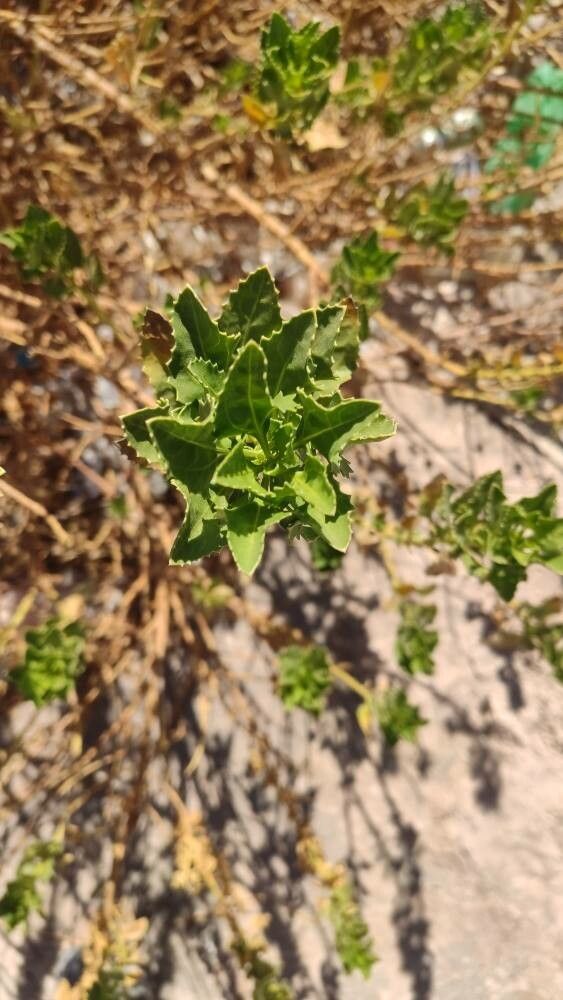
Propagating Baccharis scandens: A Guide to Cultivating the Climbing Baccharis
Baccharis scandens, commonly known as climbing baccharis or desert baccharis, is a resilient, fast-growing shrub boasting delicate, willow-like leaves and an abundance of fluffy white flowers. Its adaptability to various soil types and its ability to thrive in full sun to partial shade have made it a popular choice among gardeners, particularly in arid and semi-arid regions. While its vigorous growth is a desirable trait, successful propagation can present unique challenges. This article explores various methods for propagating Baccharis scandens, outlining the advantages, disadvantages, and practical tips for each.
Seed Germination:
Currently, there are no known reliable methods for seed germination propagation of Baccharis scandens. While seeds may be produced, their viability is low, and germination rates are consistently poor under various conditions tested. Further research is needed to determine if specific pre-treatment techniques, such as scarification or stratification, could improve germination success.
Cuttings:
This method presents a more reliable approach to propagating Baccharis scandens.
Challenges: While relatively straightforward, success depends on proper timing and technique. Using semi-hardwood cuttings taken in late summer or early fall generally yields the best results. Improper sanitation can lead to fungal diseases.
Practical Tips: Take 4-6 inch cuttings from non-flowering stems, removing lower leaves before dipping the cut end in rooting hormone. Plant the cuttings in a well-draining medium, such as a mix of perlite and peat moss, keeping them consistently moist but not waterlogged. A humid environment, achieved through misting or using a propagation dome, is highly beneficial.
- Rewards: Cuttings offer a relatively quick and efficient method of producing genetically identical plants, preserving desirable traits. It’s ideal for smaller-scale propagation and allows for rapid increase of a specific cultivar.
Division:
Division is a feasible method, particularly for established plants.
Challenges: Successfully dividing Baccharis scandens requires some care to avoid damaging the root system. Larger, older plants are better candidates for division compared to smaller, younger individuals. The success rate heavily depends on the health of the parent plant.
Practical Tips: Divide the plant during its dormant period (winter or early spring), ensuring each division has a healthy portion of roots and shoots. Plant the divisions immediately in well-prepared soil, making sure to water thoroughly after planting.
- Rewards: Division is a relatively quick and easy method for increasing the number of plants, especially well-suited for established plants that have spread significantly.
Tissue Culture:
Tissue culture offers the potential for large-scale propagation and disease-free plantlets.
Challenges: This method requires specialized equipment, a sterile environment, and technical expertise. Optimized media formulations for Baccharis scandens would need to be developed. Establishing a protocol requires significant research and experimentation.
Practical Tips: Not readily applicable to home gardeners; this is primarily a technique used in laboratory settings.
- Rewards: Tissue culture is ideal for mass production of genetically uniform plants, crucial for commercial purposes or for conservation efforts involving rare cultivars. It also allows for the elimination of diseases and production of virus-free planting material.
Conclusion:
Propagating Baccharis scandens presents a spectrum of challenges and rewards, with cuttings offering the most accessible and reliable path for the average gardener. While seed germination isn’t currently viable, the potential of tissue culture for large-scale propagation highlights future possibilities. The effort involved in overcoming the unique challenges of cultivating this plant, whether through cuttings, division, or future breakthroughs in seed germination, underscores the unique satisfaction derived from its successful cultivation. The persistence involved in mastering propagation techniques is rewarded not only by the beauty of these climbing baccharis adorning your garden but also by the sense of accomplishment in nurturing a plant known for its resilience. Don’t be discouraged by initial setbacks; experimentation and perseverance are key to success.