Propagating Baccharis pentlandii: A Gardener’s Challenge
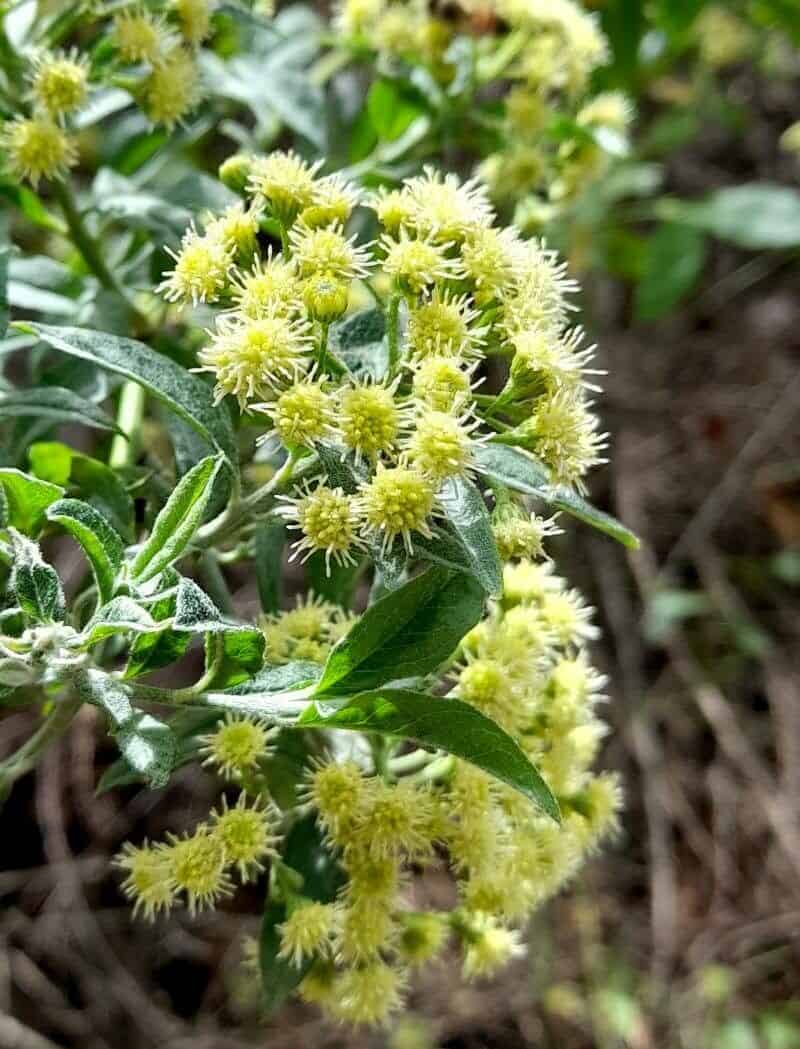
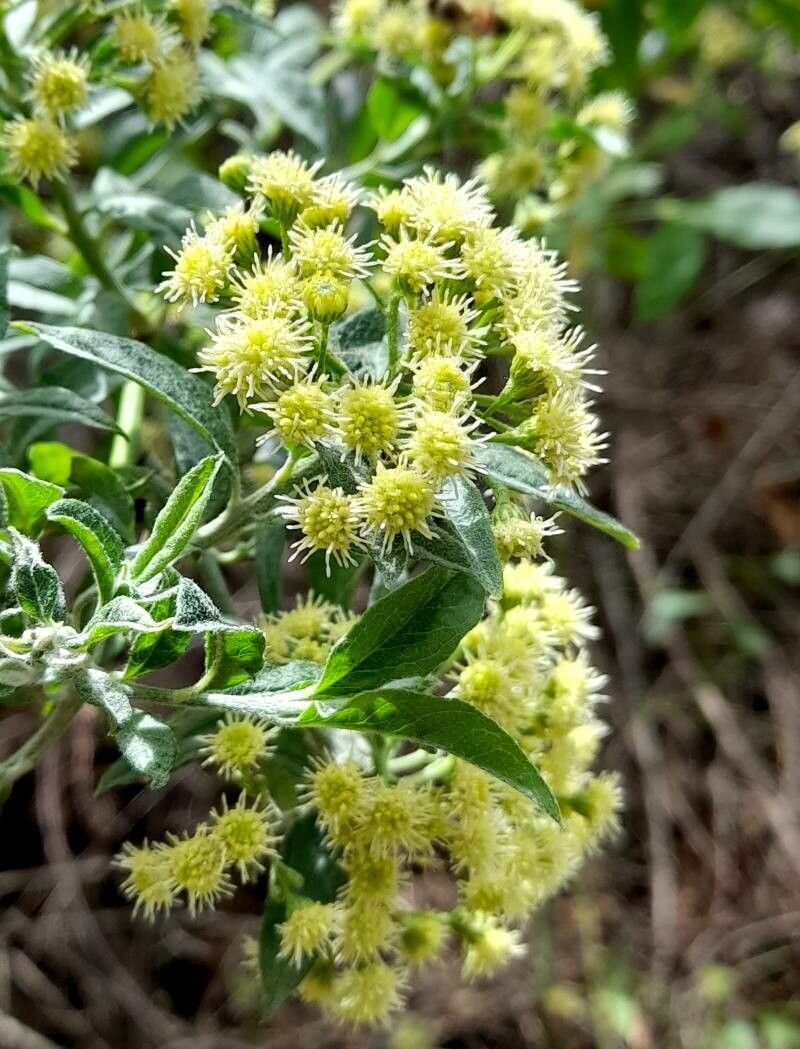
Baccharis pentlandii, commonly known as the Bolivian Baccharis or sometimes simply as Bolivian daisy (though not a true daisy), is a shrub valued for its attractive foliage and often profuse, though small, white flowers. Its adaptability to various soil conditions and tolerance to drought make it a popular choice among gardeners seeking low-maintenance, yet visually appealing, plants. However, propagating this species presents unique challenges, requiring a blend of patience and horticultural skill. The unique aspects of its propagation largely stem from its somewhat unpredictable germination and slower-than-average rooting response in some methods.
Seed Germination:
Currently, there are no known reliable methods for seed germination propagation of Baccharis pentlandii. While the plant produces seeds, their germination rate is extremely low, making this method impractical for most gardeners. Further research into specific seed treatment techniques or germination stimulants might be needed to overcome this hurdle.
Cuttings:
Cuttings offer a more viable approach to propagating Baccharis pentlandii.
Challenges: Root development from cuttings can be slow and inconsistent. Success relies greatly on timing (taking cuttings during optimal growth periods, typically spring or early summer), using appropriate rooting hormone, and maintaining a consistently humid environment to prevent desiccation.
Practical Tips: Take semi-hardwood cuttings (cuttings from current year’s growth that are partially mature) of approximately 4-6 inches in length. Remove lower leaves to prevent rot, dip the cut ends in a rooting hormone powder, and plant in a well-draining, moist mix (e.g., perlite and peat moss). Cover the cuttings with a clear plastic dome or bag to maintain humidity. Consistent bottom heat can improve rooting success. Patience is key; root development can take several weeks or even months.
- Rewards: Cuttings provide a relatively simple method for creating genetically identical clones of a desirable mother plant, preserving its specific traits. It allows for quicker propagation than other methods, if successful.
Division:
Division is a feasible option only for established, mature plants of Baccharis pentlandii.
Challenges: Similar to cuttings, the success of division hinges on minimizing damage to the roots during the separation process. This can be more challenging with plants that have extensive root systems. The divided portions require carefully timed transplanting and consistent watering to ensure survival.
Practical Tips: Divide the plant during its dormant period (late fall or early winter) or just before the start of the growing season. Dig up the entire plant carefully, and gently separate it into smaller sections, ensuring each section has a healthy root system. Replant the divisions ensuring proper spacing and water thoroughly.
- Rewards: Division allows for relatively rapid propagation of a large quantity of plants from a single mature specimen.
Tissue Culture:
Tissue culture remains largely unexplored for Baccharis pentlandii.
Challenges: Establishing a successful tissue culture protocol for this species would require significant research and expertise in plant tissue culture techniques. The development of suitable media and sterilization processes specific to Baccharis pentlandii would be fundamental. This is the most complex and resource intensive method.
Practical Tips: This approach is not suitable for amateur gardeners and requires specialized equipment, expertise, and sterile laboratory conditions.
- Rewards: Tissue culture offers the potential for high-volume propagation of genetically identical plants, suitable for large-scale commercial cultivation or conservation efforts. It potentially reduces the time it takes to produce sizeable plants.
Conclusion:
Propagating Baccharis pentlandii poses unique challenges, with seed germination proving unreliable at present. Cuttings and division present more viable options for home gardeners, though both require patience and attention to detail. Tissue culture remains an avenue for future research, with the potential to greatly enhance propagation efficiency. However, the rewards of nurturing these plants from cuttings or divisions—witnessing the slow but steady development of new growth and the eventual flourishing of a cherished plant—offer unique satisfaction, well worth the effort expended for the aspiring propagator. Don’t be discouraged by potential setbacks; persevere, learn from each attempt, and the triumph of successful propagation will be all the more rewarding.