
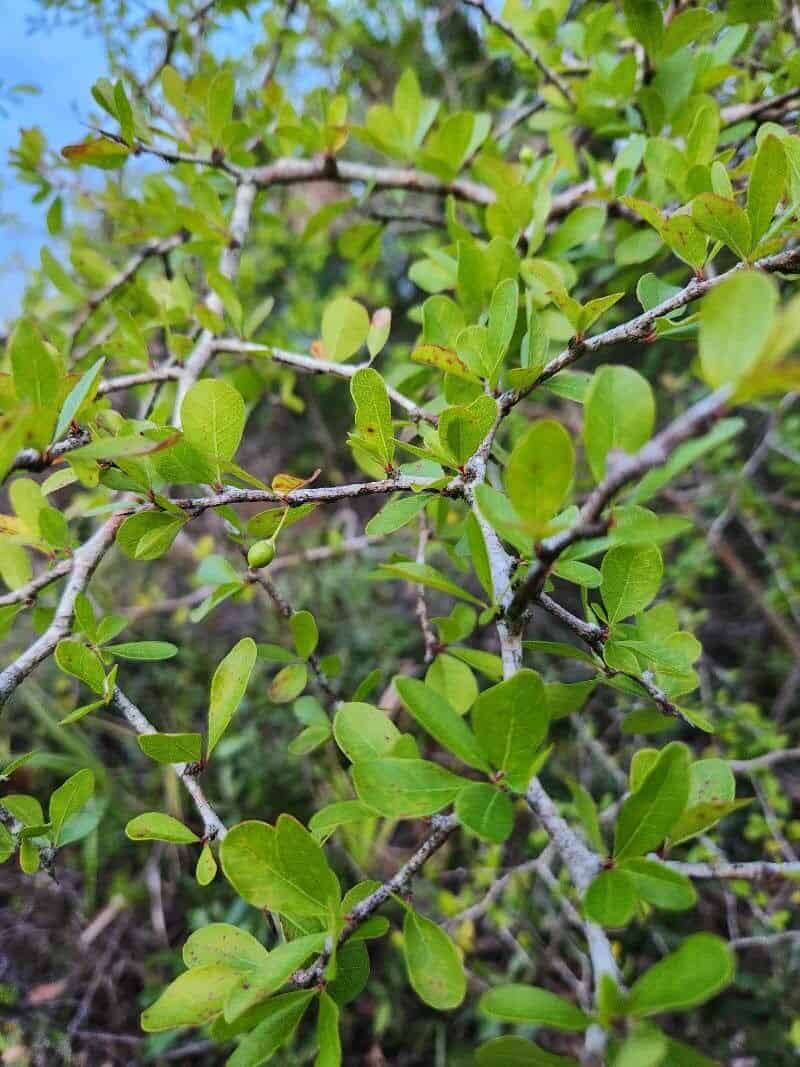
Unlocking the Secrets of the Rare Buckthorn: A Guide to Propagating Sideroxylon reclinatum
The world of plants is filled with captivating rarities, and nestled amongst them is the Sideroxylon reclinatum, a species more often whispered about in botanical circles than found gracing backyard gardens. Commonly known as the "Rare Buckthorn," this evergreen shrub, native to the southeastern United States, boasts a unique beauty with its dark green leaves, small fragrant flowers, and striking blue-black fruit. But the allure of Sideroxylon reclinatum goes beyond aesthetics – propagating this rare species can feel like joining a secret society dedicated to preserving botanical treasures.
While not for the faint of heart, successfully propagating Sideroxylon reclinatum is rewarding and entirely achievable with patience and the right techniques. Here’s a comprehensive guide to help you unlock the secrets of growing this remarkable shrub:
Method 1: Seed Propagation (The Patience Game)
- Gathering Seeds: Patience, they say, is a virtue, and nowhere is it more true than when propagating Sideroxylon reclinatum from seed. Seeds are slow to germinate, sometimes taking up to a year or more. You can collect ripe fruit (the blue-black ones!) in the fall and extract seeds. Be sure to clean off any fruit pulp to prevent fungal growth.
- Scarification and Stratification: These seeds are tough customers and benefit from a little "persuasion" to germinate. Scarification involves lightly nicking or sanding the seed coat to help water penetrate. After scarification, a period of cold stratification (mimicking winter conditions) further encourages germination. Place the seeds in moist sand or vermiculite within a sealed plastic bag and store them in the refrigerator for 60-90 days.
- Sowing: After stratification, sow seeds in a well-draining seed starting mix. Keep the soil consistently moist but not waterlogged. Don’t be disheartened by slow progress. Remember, these seeds operate on their own timeline.
- Transplanting: Once seedlings are large enough to handle, transplant them into individual pots and provide well-draining soil and partial shade.
Method 2: Cuttings (A Faster Track)
- Taking Cuttings: Propagating from cuttings offers a faster route but with a slightly lower success rate. During early summer, take semi-hardwood cuttings about 4-6 inches long from healthy, non-flowering branches.
- Preparing the Cuttings: Remove the leaves from the bottom third of the cutting. Dip the cut end in rooting hormone powder to encourage root development.
- Planting: Plant the cuttings in a mix of peat moss and perlite or a commercial seed starting mix. Keep the medium consistently moist.
- Providing Humidity: Cover the cuttings with a plastic bag or humidity dome to create a warm, humid environment, esencial for successful rooting.
- Transplanting: After several weeks, check for root development. Once roots form, carefully transplant the cuttings into individual pots.
Nurturing Your Sideroxylon reclinatum
Once established, Sideroxylon reclinatum is relatively low-maintenance. It prefers well-draining soil and tolerates partial shade to full sun. Water regularly during the first year to establish a robust root system. Once established, this hardy shrub is relatively drought-tolerant.
Preserving a Botanical Gem
Successfully propagating Sideroxylon reclinatum is about more than just adding a beautiful plant to your garden; it’s about playing a vital role in conserving a rare and valuable species. By mastering these propagation techniques, you join a dedicated group of plant enthusiasts ensuring the survival of this botanical gem for generations to come.