
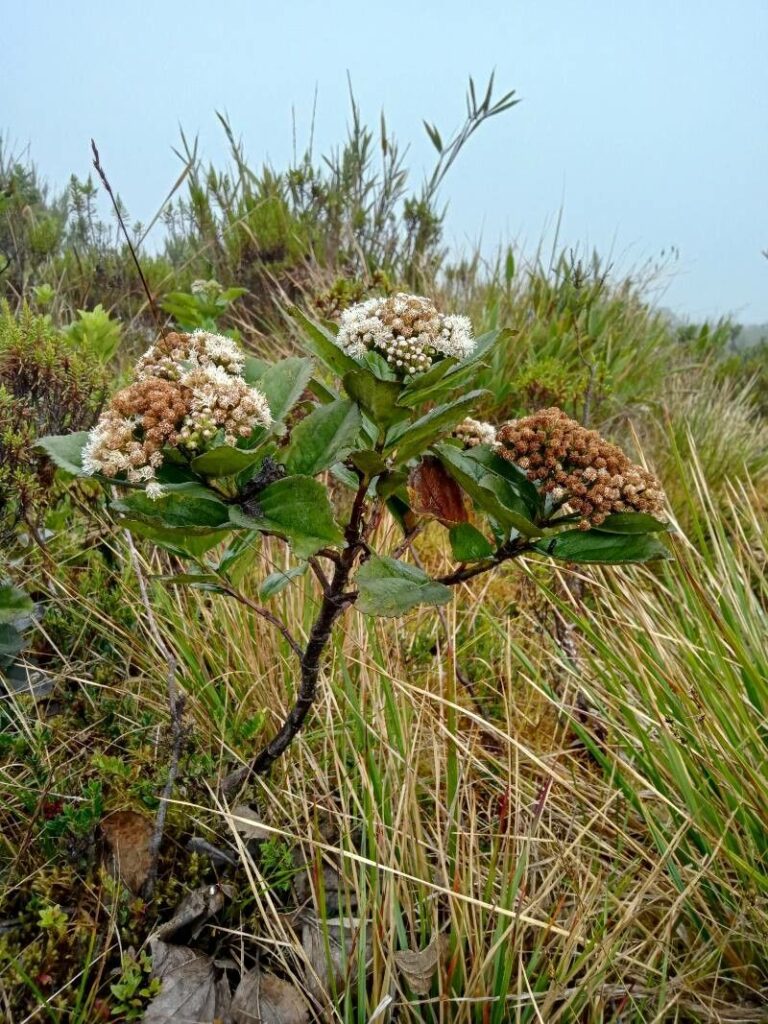
Propagating Baccharis prunifolia: A Guide for the Determined Gardener
Introduction:
Baccharis prunifolia, commonly known as the coastal baccharis or saltbush baccharis, is a resilient and attractive shrub prized for its silvery foliage and its role in coastal ecosystems. Its ability to tolerate saline conditions and its attractive appearance make it a popular choice among gardeners seeking low-maintenance, drought-tolerant landscaping solutions. However, propagating this species presents unique challenges, making successful propagation a rewarding endeavor for the dedicated plant enthusiast. Its relatively strong and easy-to-root cuttings make it comparatively easier to propagate than many other species.
Seed Germination:
Currently, there are no known reliable methods for seed germination propagation of Baccharis prunifolia. While the plant does produce seeds, their germination rate is notoriously low, and successful germination under controlled conditions has not been widely documented. Further research into the specific requirements for seed germination of this species is needed.
Cuttings:
Cuttings offer the most reliable method for propagating Baccharis prunifolia.
-
Challenges: While relatively straightforward, success depends on timing and technique. Using semi-hardwood cuttings taken in late summer or early autumn generally yields the best results. Improper handling can lead to fungal infections or wilting.
-
Practical Tips: Take 4-6 inch cuttings from non-flowering stems, removing lower leaves. Dip the cut ends in rooting hormone powder. Plant cuttings in a well-draining mix (e.g., perlite and peat moss) and maintain consistently moist but not waterlogged conditions. High humidity, provided by a plastic cloche or misting system, significantly improves rooting success. Bottom heat can also enhance rooting.
- Rewards: Cuttings offer a relatively quick and easy method to produce genetically identical plants, maintaining desirable traits. This is particularly useful for propagating superior cultivars or plants with specific characteristics.
Division:
Division is generally not a practical method for propagating Baccharis prunifolia. The plant does not readily form easily separable crowns or offsets, making division difficult and potentially damaging to the mother plant.
Tissue Culture:
Tissue culture propagation of Baccharis prunifolia is possible but requires specialized equipment, sterile techniques, and horticultural expertise.
-
Challenges: Establishing aseptic conditions and developing effective culture media are critical for success. This method is complex, requiring considerable investment in equipment and training.
-
Practical Tips: This method is best left to professionals or experienced tissue culture labs, due to the specialized knowledge needed. Consult relevant literature and seek guidance from experienced tissue culturists.
- Rewards: Tissue culture offers the potential for large-scale propagation of genetically identical plants and the eradication of diseases. This is particularly useful for conservation efforts or commercial propagation.
Conclusion:
Propagating Baccharis prunifolia presents various challenges depending on the method employed. While seed germination is currently unreliable, cuttings provide the most accessible and rewarding approach for the home gardener. Tissue culture offers the potential for mass production but demands specialized skills and resources. The rewards of successfully propagating this resilient shrub, however, are significant. The experience provides a profound sense of accomplishment in cultivating a plant that is both beautiful and ecologically important. For aspiring propagators, starting with cuttings and focusing on meticulous technique and careful observation holds the key to success. Don’t be discouraged by initial setbacks – persistent effort will eventually yield the gratifying results of a thriving coastal baccharis.