
Propagating Baccharis punctulata: A Gardener’s Guide to the Dotted Baccharis
Introduction:
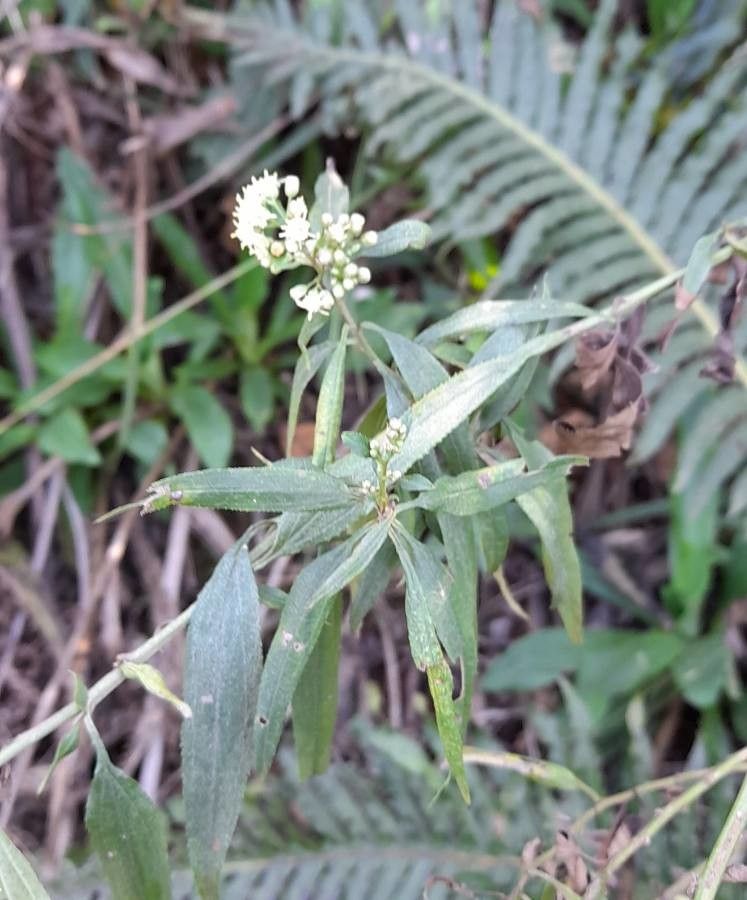
Baccharis punctulata, commonly known as the dotted baccharis or (less commonly) the dotted willow, is a captivating shrub appreciated for its delicate foliage and profuse, fluffy white flowers. Its airy form contributes significantly to its popularity among gardeners seeking textural contrast in their landscapes, especially for attracting pollinators. While relatively easy to maintain once established, propagation of Baccharis punctulata presents unique challenges, making successful cultivation all the more rewarding. This guide explores various propagation methods, assessing their viability and offering practical advice.
Seed Germination:
Currently, there are no known reliable methods for seed germination propagation of Baccharis punctulata. While the plant produces seeds, their germination rate is notoriously low, and successful germination under controlled conditions has not been consistently documented in horticultural literature. Further research may be needed to uncover optimal germination techniques.
Cuttings:
Cuttings represent a far more reliable method for propagating Baccharis punctulata.
Challenges: The success of cuttings hinges on timing and technique. Using semi-hardwood cuttings (taken from new growth that has partially matured) in late summer or early autumn generally yields the best results.
Practical Tips: Take cuttings approximately 4-6 inches long, removing lower leaves to prevent rot. Dip the cut ends in a rooting hormone powder to stimulate root development. Plant the cuttings in a well-draining propagation mix, maintaining consistently moist (but not waterlogged) conditions. High humidity is crucial; covering the cuttings with a plastic dome or placing them in a propagator helps maintain this.
Rewards: Cuttings offer relatively fast propagation, producing new plants that are genetically identical to the parent plant, preserving desirable traits. This method is ideal for smaller-scale propagation efforts.
Division:
Division is another feasible propagation method for Baccharis punctulata, ideally performed during spring or autumn.
Challenges: Successful division depends on the size and health of the parent plant. Younger, more vigorous plants generally divide more easily. Care must be taken to ensure each division receives a sufficient root system to support its establishment.
Practical Tips: Gently dig up the plant, carefully separating it into multiple sections, each with its own root mass and several stems. Replant the divisions immediately, ensuring adequate spacing to avoid competition. Water thoroughly after planting.
Rewards: Division is a relatively straightforward method, providing quicker results than cuttings, and allowing for relatively easy increases in the number of plants.
Tissue Culture:
While not commonly practiced for Baccharis punctulata by home gardeners, tissue culture offers the potential for large-scale propagation and disease-free plants.
Challenges: This method requires specialized equipment, sterile conditions, and a high level of technical expertise. Developing a reliable protocol for Baccharis punctulata would necessitate initial research and optimization.
Practical Tips: This method is best left to professional nurseries or research labs with the necessary resources and experience.
Rewards: Tissue culture offers the highest potential for rapid multiplication, producing large quantities of genetically identical plants free from diseases.
Conclusion:
Propagating Baccharis punctulata presents varying levels of challenges depending on the chosen method. While seed germination remains unreliable, cuttings and division offer viable options for home gardeners, with division usually slightly easier. Tissue culture holds the potential for mass production but requires significant resources. The rewards, however, outweigh the efforts. The unique satisfaction of nurturing a tiny cutting into a flourishing shrub, or meticulously dividing a mature plant, is a testament to the gardener’s patience and dedication. For the aspiring propagator of this beautiful plant, perseverance is key. Don’t be discouraged by initial setbacks; experiment with cuttings and division, optimizing techniques based on your experience and local conditions, and enjoy the journey of successfully cultivating this charming plant.