
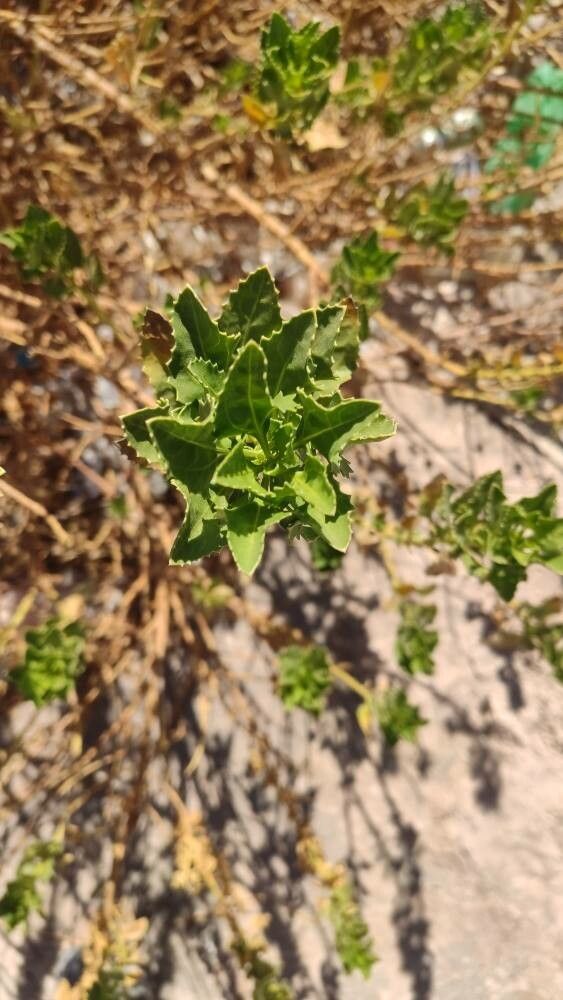
Propagating Baccharis scandens: A Guide to the Climbing Baccharis
Baccharis scandens, commonly known as climbing baccharis or California baccharis, is a vigorous, climbing shrub native to the southwestern United States and Mexico. Its attractive, silvery foliage and ability to readily cover walls, fences, or trellises make it a popular choice among gardeners seeking quick-growing, low-maintenance groundcover or vertical accents, especially in drier climates. However, its propagation presents some unique challenges. The inherent resilience of this plant, though, is matched by the satisfaction derived from successfully cultivating it from scratch.
Seed Germination:
Currently, there are no known reliable methods for seed germination propagation of Baccharis scandens. While the plant does produce seeds, their germination rate is exceptionally low in most circumstances. Further research into specific germination requirements, such as light exposure, temperature, and perhaps pre-treatment techniques, may prove fruitful in the future, but currently, relying on seed propagation is not a practical approach for most gardeners.
Cuttings:
Cuttings are the most reliable method for propagating Baccharis scandens.
- Challenges: While relatively straightforward, success depends on timing and technique. Overly woody cuttings are less responsive.
- Practical Tips: Take semi-hardwood cuttings (partially lignified stems) in late spring or early summer. Cuttings should be 4-6 inches long, with several nodes. Remove lower leaves to prevent rot, dip the cut ends in rooting hormone, and plant in a well-draining propagation mix (e.g., perlite and peat moss). Maintain high humidity (e.g., using a humidity dome or regularly misting) and provide consistent warmth.
- Rewards: This method is relatively simple, cost-effective, and produces genetically identical clones of the mother plant, ensuring you maintain desirable traits.
Division:
Division is a possible propagation method for established Baccharis scandens plants.
- Challenges: This method is only suitable for mature, well-established plants with a sufficiently developed root system. Dividing the plant too aggressively can damage both the parent plant and the divisions.
- Practical Tips: Dividing should be done in early spring or late fall, when the plant is either beginning or concluding its active growing season. Carefully dig up the plant and gently separate the root ball into smaller sections, ensuring each division has sufficient roots and stems. Replant the divisions immediately, providing ample watering to assist in establishment.
- Rewards: Division allows for rapid increase in the number of plants and retains the genetic characteristics of the original plant. It’s a cleaner process than cuttings, as no rooting hormones or special mixes are usually needed.
Tissue Culture:
Tissue culture propagation of Baccharis scandens is possible, but requires specialized equipment and expertise.
- Challenges: This method necessitates a controlled laboratory setting, sterile procedures, and specific media formulations. It’s technically demanding and requires significant upfront investment in equipment and materials.
- Practical Tips: This method is unsuitable for home gardeners. It is typically undertaken in research settings or commercial nurseries needing large-scale propagation. Success depends on the appropriate selection of plant explant, sterilizing techniques, and the precise composition of the nutrient media.
- Rewards: Tissue culture allows for large-scale clonal propagation, disease-free plants, and the preservation of rare or desirable cultivars.
Conclusion:
Propagating Baccharis scandens presents certain challenges, particularly with seed germination. Cuttings offer the most accessible and successful method for home gardeners, while division is a viable option for larger, established plants. Tissue culture, though capable of yielding mass propagation, remains outside the scope of most home horticulturalists. The rewards of successfully propagating this lovely plant – whether a single cutting thriving in a pot or a vibrant wall completely covered by this silver-leaved climber – are more than sufficient to compensate for the effort involved. The resilience and adaptability of Baccharis scandens are reflected in its propagation – a testament to the plant’s nature, and a satisfying challenge for the dedicated gardener. Don’t be discouraged if your first attempt doesn’t succeed; persistence and a keen understanding of the plant’s needs will ultimately lead to success.