
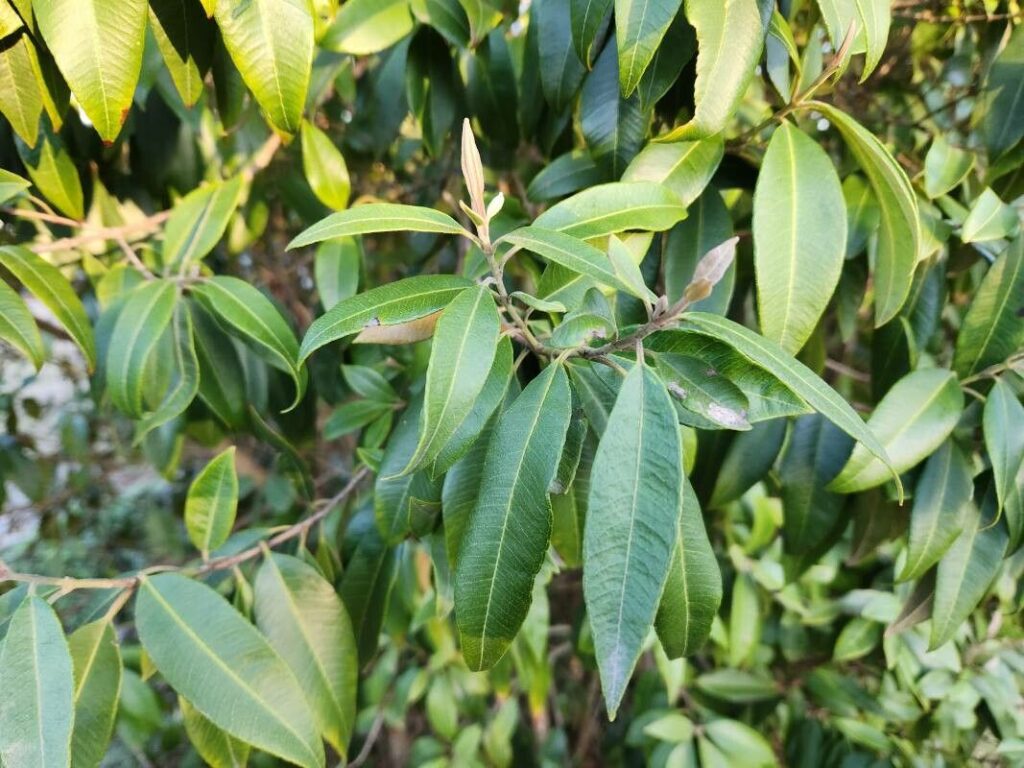
Propagating Backhousia citriodora: Aromatic Challenges and Rewarding Triumphs
Backhousia citriodora, commonly known as lemon myrtle, is a prized Australian native shrub renowned for its intensely fragrant leaves, possessing a captivating lemon-lime scent. Its culinary and medicinal uses, alongside its attractive foliage and relatively low maintenance, have cemented its popularity among gardeners. However, propagating lemon myrtle presents unique challenges, making success all the more rewarding. This article explores various propagation methods, outlining their feasibility and practical considerations.
Seed Germination:
Currently, there are no known reliable methods for seed germination propagation of Backhousia citriodora. While seeds may technically be produced, their germination rate is extremely low, and consistent success has not been documented in horticultural practices. This is likely due to several factors including dormancy mechanisms and the possibility of embryo weakness from inbreeding in the cultivated plants. Therefore, relying on seed germination for propagating lemon myrtle is not a practical approach.
Cuttings:
Cuttings represent a significantly more reliable method for propagating Backhousia citriodora. However, it does present its own obstacles.
- Challenges: Lemon myrtle cuttings can be slow to root, and success rates vary depending on the timing, the type of cutting used (semi-hardwood cuttings are generally preferred), and the rooting medium and environment.
- Practical Tips: Take semi-hardwood cuttings (partially mature growth) in spring or autumn. Use a sharp, clean knife or secateurs to avoid damaging the stem. Treat the base of the cuttings with a rooting hormone to stimulate root development. Plant the cuttings in a well-draining propagation mix, maintaining consistent moisture but avoiding waterlogging. High humidity, provided by a propagator or plastic bag, will significantly improve rooting success. Patience is key; rooting may take several weeks or even months.
- Rewards: Cuttings offer a reliable way to propagate desirable cultivars, maintaining the specific characteristics of the parent plant. This method is also suitable for smaller-scale propagation in home gardens.
Division:
Division is another viable option, particularly for established plants.
- Challenges: Division is only feasible for mature, well-established plants. Care must be taken to ensure each division contains sufficient roots and foliage to enable successful establishment. Damage to the roots during division can hinder growth and survival.
- Practical Tips: Divide the plant carefully in spring or autumn, choosing a time when the soil is moist but not waterlogged. Ensure each division possesses a healthy root system and several strong stems. Plant the divisions immediately into well-prepared soil. Water thoroughly after planting but avoid overwatering.
- Rewards: Division can be a relatively quick and efficient method for propagating larger numbers of plants, once mature specimens are available.
Tissue Culture:
Tissue culture offers the possibility of rapid and large-scale propagation of lemon myrtle.
- Challenges: Tissue culture requires specialized equipment, sterile conditions, and expertise. It is significantly more complex and expensive than other methods. The establishment of aseptic techniques and the selection of appropriate growth media are critical to success.
- Practical Tips: This method is best left to commercial nurseries or research facilities with the necessary expertise and equipment.
- Rewards: Tissue culture enables the rapid multiplication of desirable genotypes, offering a potential for mass production of consistent, high-quality plants, and the possibility to eliminate diseases.
Conclusion:
While propagating Backhousia citriodora presents challenges, particularly with seed germination, the rewards of successfully cultivating this aromatic shrub are substantial. Cuttings offer a relatively accessible and successful method for home gardeners, while division is suitable for larger, mature plants. Tissue culture represents a high-tech solution for large-scale propagation. The patience and persistence required in these methods ultimately contribute to the deep sense of satisfaction experienced when a propagated lemon myrtle thrives, its fragrant leaves a testament to a gardener’s skill and dedication. Aspiring propagators should choose the method best suited to their resources and experience, remembering that even with challenges, the journey of cultivating this exquisite plant is deeply fulfilling.