
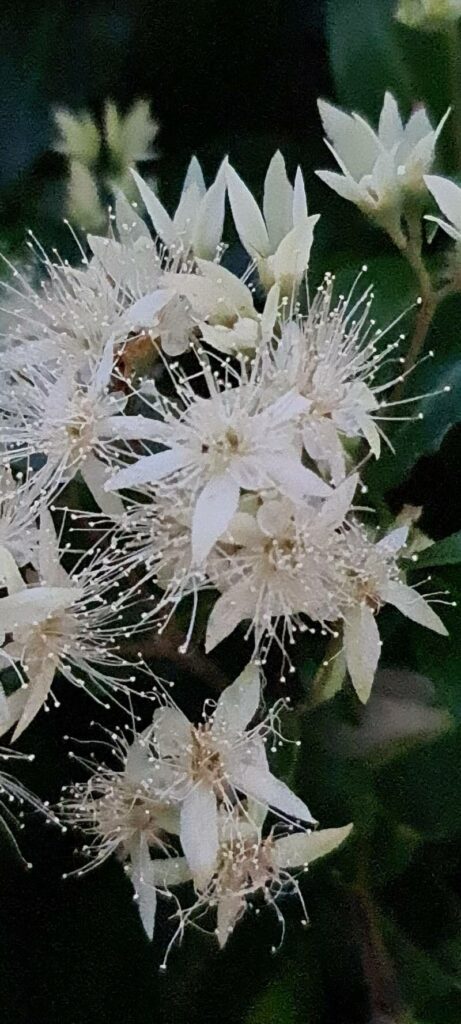
Propagating the Lemon Myrtle: A Guide to Growing Backhousia myrtifolia
Backhousia myrtifolia, commonly known as lemon myrtle, is a prized Australian native shrub renowned for its fragrant, lemon-scented foliage. Highly valued for its culinary and medicinal uses, as well as its attractive appearance, lemon myrtle enjoys increasing popularity among home gardeners and commercial growers alike. Its unique aroma and relatively compact growth habit make it a desirable addition to any garden, but propagation can present certain challenges.
Seed Germination:
Currently, there are no known reliable methods for seed germination propagation of Backhousia myrtifolia. While seeds may be produced, their germination rate is extremely low and unpredictable, making this method impractical for most growers. Further research into specific seed treatment techniques might improve success rates, but at present, seed propagation is not a viable option.
Cuttings:
Cuttings represent a more reliable method for propagating lemon myrtle. However, success requires attention to detail.
Challenges: The primary challenge lies in achieving a high rooting rate. Lemon myrtle cuttings can be slow to root, and the success rate is often influenced by environmental factors and the timing of propagation.
Practical Tips: Semi-hardwood cuttings taken in late spring or early summer generally perform best. Choose healthy, non-flowering stems, ideally 8-10cm long, with several nodes. Remove lower leaves and dip the cut ends in a rooting hormone before planting in a well-draining propagation mix (e.g., a mixture of perlite and peat moss). Maintain high humidity (e.g., using a propagation dome or plastic bag) and consistent moisture, avoiding overwatering. Bottom heat can significantly improve rooting success.
Rewards: Cuttings offer a reliable way to generate genetically identical plants, preserving desirable traits. This method is particularly suitable for propagating superior cultivars or plants with unique characteristics.
Division:
Division is not a practical method for propagating Backhousia myrtifolia. Lemon myrtle does not readily produce suckers or offsets that easily separate for independent growth.
Tissue Culture:
Tissue culture offers a potential method for large-scale propagation of Backhousia myrtifolia.
Challenges: Establishing sterile conditions and maintaining aseptic techniques are crucial. The process requires specialized equipment and expertise, making it less accessible to the average home gardener. Developing optimal culture media and growth conditions for lemon myrtle may require experimentation.
Practical Tips: Aseptic techniques are paramount to prevent contamination. Explant selection and sterilizing procedures will need to be carefully documented to optimize success.
Rewards: Tissue culture allows for rapid multiplication of desirable genotypes and the production of disease-free plants. This method is particularly valuable for commercial propagation and conservation efforts.
Conclusion:
Propagating Backhousia myrtifolia presents varying levels of difficulty depending on the chosen method. Seed germination offers little practical value, while division is not feasible. Cuttings provide a relatively accessible approach for home gardeners, although success requires patience and attention to technique. Tissue culture, while offering large-scale propagation potential, demands significant expertise and resources. The rewards, however, are well worth the effort: the unique lemon scent and beauty of the plant add distinction to any garden. The satisfaction of successfully propagating this challenging yet rewarding plant ultimately underscores the enduring appeal of horticulture. Aspiring propagators should begin with cuttings and consider consulting experienced growers or horticultural resources for guidance. With perseverance and the right techniques, the aromatic joys of lemon myrtle can be multiplied and shared.