
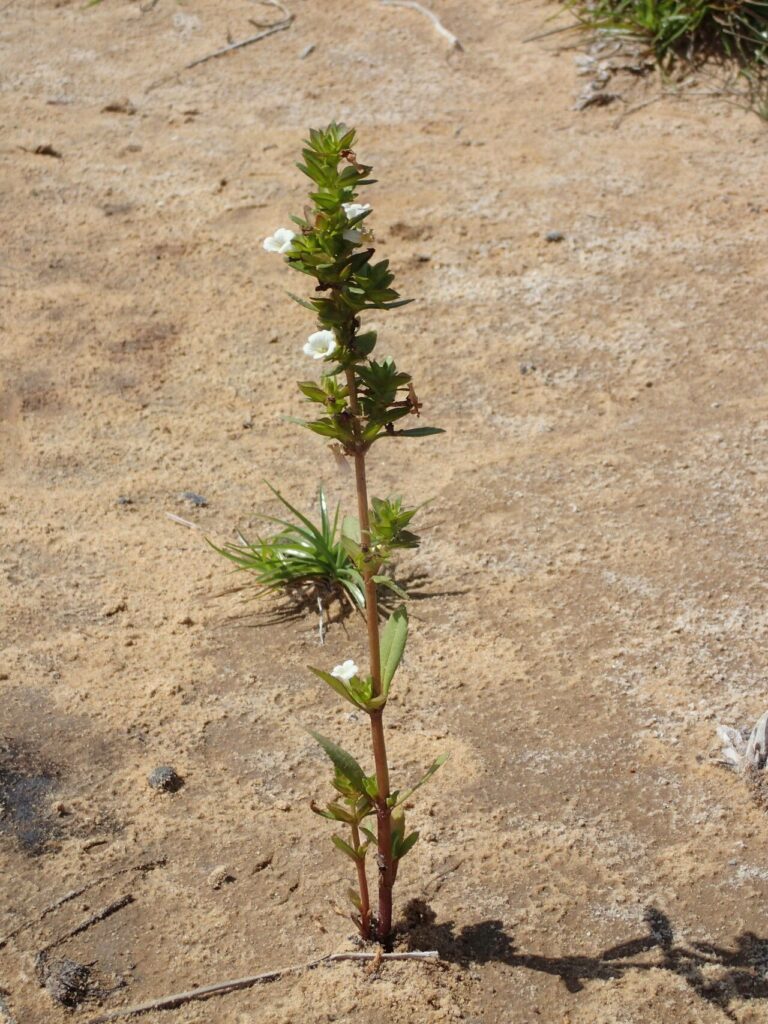
From Snipping to Thriving: Your Guide to Propagating Bacopa Crenata
Bacopa crenata, with its cascading strands of bright green leaves and delicate white blooms, is a beloved choice for hanging baskets, terrariums, and even aquariums. But did you know that this beautiful plant is incredibly easy to propagate? That means you can easily expand your own collection or share the joy of Bacopa with friends – all from just a few cuttings!
In this post, we’ll explore the world of Bacopa propagation, covering everything from the best time to cut to nurturing your new plants. Let’s dive in!
The Best Time to Cut:
While Bacopa can be propagated year-round, spring and summer offer optimal conditions. During these seasons, the plant is actively growing, leading to quicker rooting and healthier new plants.
Methods of Propagation:
There are two primary methods for propagating Bacopa crenata:
- Stem Cuttings: This is the most common and simplest method. Simply snip a 4-6 inch stem with a sharp pair of scissors or a gardening knife, ensuring at least 2-3 nodes (the bumps on the stem where leaves grow) are included. Remove the lower leaves from the cutting, leaving just a few at the top.
- Water Propagation: This method involves placing the cuttings in a glass of water. The cutting will develop roots submerged in water. This method is easier to observe as the roots develop and is perfect for beginners.
Planting Your Cuttings:
- Soil: Choose a well-draining potting mix. A mix containing peat moss, perlite, and vermiculite is a good choice.
- Pot: Select a small pot with drainage holes.
- Planting: Dip the end of your stem cutting in a rooting hormone (optional but helpful) and gently insert it into the prepared soil. Water thoroughly and place the pot in a bright, indirect location.
Caring for Your New Bacopa:
- Light: Bacopa prefers bright, indirect light. Avoid direct sunlight, which can scorch the leaves.
- Watering: Keep the soil consistently moist, but avoid overwatering. Let the top inch of soil dry out between waterings.
- Humidity: Bacopa thrives in humid environments. Consider placing your pots on a pebble-filled tray filled with water. Misting the leaves can also increase humidity.
Patience is Key:
It can take 2-4 weeks for your Bacopa cuttings to develop roots. During this time, be patient and continue to provide consistent light and moisture. You can also gently tug on the cutting to test if it’s rooted. If you feel resistance, your new plant is ready to flourish!
Tips for Success:
- Sharp Tools: A sharp pair of scissors or a gardening knife will ensure clean cuts, preventing disease.
- Cleanliness: Disinfect your tools between uses to prevent contamination.
- Ventilation: Ensure your potting mix is not too dense to allow air to circulate around the roots.
Sharing the Joy:
Once your Bacopa cuttings have rooted, you can repot them into larger containers, allowing them to cascade and fill out. You can even try propagating other varieties of Bacopa using similar techniques.
With a bit of patience and care, propagating Bacopa crenata is a rewarding experience that will allow you to enjoy this beautiful plant in its full glory. So grab a pair of scissors, a pot, and a little bit of rooting magic, and get ready for an explosion of greenery!