
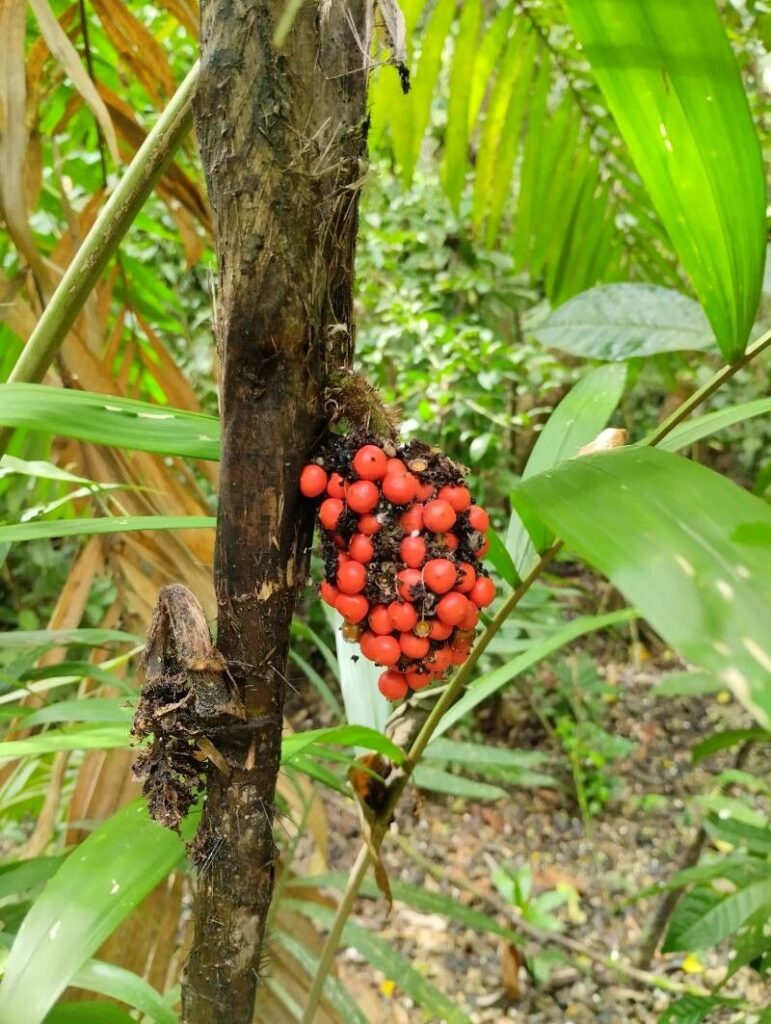
Propagating the Fox Tail Palm (Bactris caudata): A Gardener’s Guide
Introduction:
Bactris caudata, commonly known as the Fox Tail Palm, is a striking, clumping palm prized for its elegant, arching fronds that resemble a fox’s tail – hence its common name. Native to the rainforests of South and Central America, it’s gaining popularity among gardeners for its tropical aesthetic and relative ease of maintenance (once established). However, propagating this beauty presents unique challenges. Its unique appeal lies in its relatively compact size compared to other palms, making it suitable for smaller gardens, and its tolerance of some shade, setting it apart from its sun-loving counterparts. This article explores various propagation methods for Bactris caudata, weighing their viability and effectiveness.
Seed Germination:
Seed germination for Bactris caudata is a viable but challenging method. Freshly collected seeds offer the highest success rate. Challenges include a relatively long germination period and a susceptibility to fungal infections.
- Challenges: Hard seed coat and slow germination rates; high susceptibility to fungal diseases during germination; inconsistent germination rates even with optimal conditions.
- Practical Tips: Scarification (carefully nicking the seed coat) can improve germination. Sowing seeds in a well-draining seed-starting mix, maintaining high humidity (e.g., using a humidity dome), and providing bottom heat (around 25-30°C) can enhance success. Regularly inspect for fungal growth and treat promptly with a suitable fungicide. Using a sterile sowing medium is crucial.
- Rewards: Seed propagation offers genetic diversity, leading to a potentially more resilient population. It also allows for large-scale propagation should successful germination protocols be established.
Cuttings:
Currently, there are no known reliable methods for propagating Bactris caudata from cuttings. This palm does not readily produce adventitious roots from stem or leaf cuttings.
Division:
Division is a feasible method for Bactris caudata propagation, particularly for established clumps. This method relies on carefully separating the suckers or offsets from the mother plant.
- Challenges: Requires a mature, well-established clump with sufficient offsets; careful division is crucial to avoid damaging the roots of both the parent plant and the offsets; the separated plants might require extra care and protection until they establish themselves.
- Practical Tips: Divide the clump during the warmer months when the plant is actively growing. Ensure each division contains healthy roots and several leaves. Plant the divisions in well-draining, rich soil and water thoroughly. Provide shade until the plants are established.
- Rewards: Division is a relatively quick method of propagation, producing plants that are genetically identical to the parent plant.
Tissue Culture:
Tissue culture, while potentially viable, is a complex and technically demanding method requiring specialized laboratory equipment and expertise. There is limited published research specifically on Bactris caudata tissue culture.
- Challenges: Establishing sterile protocols and optimizing media formulations for Bactris caudata requires significant experimentation; maintaining aseptic conditions throughout the process is crucial to avoid contamination; considerable investment in equipment and expertise is necessary.
- Practical Tips: Collaborating with a tissue culture laboratory specializing in palms would be beneficial.
- Rewards: Tissue culture allows for mass production of genetically identical plants, offering high propagation efficiency and the potential for disease-free stock.
Conclusion:
Propagating Bactris caudata presents a range of challenges, varying greatly depending on the chosen method. While seed germination and division offer viable, albeit challenging, options, success hinges on meticulous attention to detail, careful observation, and patience. The rewards, however, are well worth the effort. Successfully nurturing a Bactris caudata from a seed or offset is deeply satisfying, a testament to your horticultural skills and a beautiful addition to any garden. The unique architectural beauty and relatively low-maintenance nature of this plant make the challenges worthwhile for any dedicated gardener. Aspiring propagators should begin with the division method if a mature clump is available, and gradually experiment with seed germination, keeping detailed notes, and adjusting techniques based on their results. For large-scale propagation, exploring the possibilities of tissue culture with the help of professionals might be the most efficient route.