
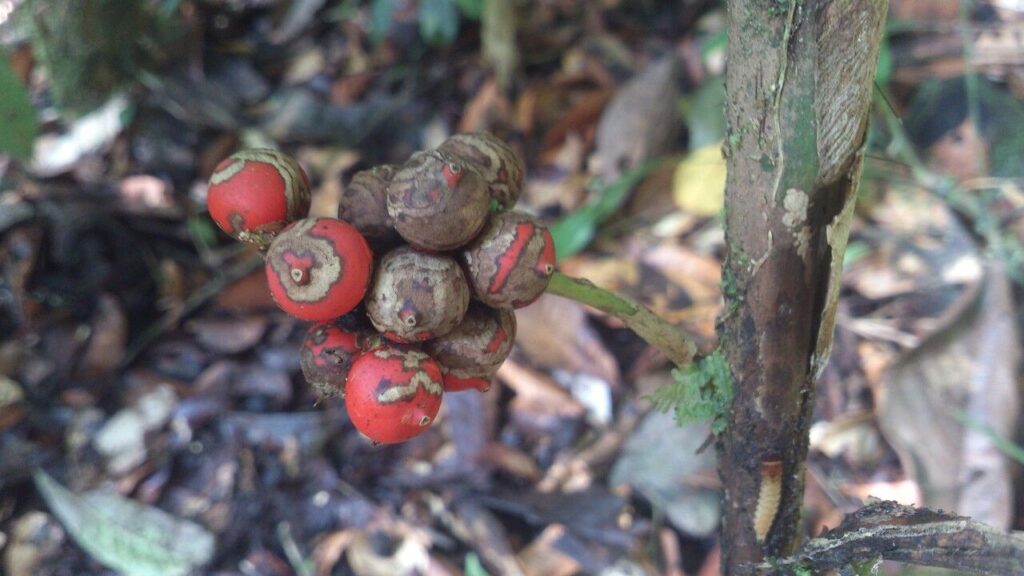
Propagating Bactris obovata: A Gardener’s Guide to the Peach Palm
Introduction:
Bactris obovata, commonly known as the peach palm, is a striking neotropical palm prized for its edible fruit, attractive foliage, and overall hardiness. Its slender trunk, adorned with prominent black spines, supports a crown of elegant, feathery leaves. This makes it a popular choice among gardeners seeking a unique and visually appealing addition to their landscape, particularly in tropical and subtropical climates. However, propagating this palm species presents several challenges, making successful cultivation a rewarding endeavor for the dedicated plant enthusiast. Its unique propagation dynamics, particularly regarding seed germination, make it a fascinating subject for study.
Seed Germination:
Seed germination for Bactris obovata is possible but presents significant challenges. The seeds possess a hard, protective outer layer that can hinder water uptake and germination. Fresh, ripe seeds are crucial; older seeds rapidly lose viability.
Challenges: Slow germination rates, low germination percentage, susceptibility to fungal diseases during germination.
Practical Tips: Scarification (nicking or scratching the seed coat) can improve water absorption, and pre-soaking in warm water for 24-48 hours might aid germination. Sowing seeds in a well-draining, warm (25-30°C) mix of peat moss and perlite, keeping the medium consistently moist but not waterlogged, is recommended. A humid environment, possibly achieved with a propagation dome, improves success rates.
Rewards: High genetic diversity within the resulting seedlings, potential for large-scale propagation for commercial or conservation purposes.
Cuttings:
Currently, there are no known reliable methods for propagating Bactris obovata using cuttings. The palm’s physiology doesn’t lend itself well to this technique.
Division:
Division is not a feasible method for propagating Bactris obovata. The palm typically develops a single stem, unlike clumping palms that can be readily divided.
Tissue Culture:
Tissue culture offers a potentially viable, albeit technically challenging, method for propagating Bactris obovata. This method allows for the production of a large number of genetically identical plants from a small amount of starting material.
Challenges: Establishing sterile culture conditions is crucial to prevent contamination. Finding the optimal growth medium and hormone concentrations for successful shoot proliferation and rooting requires considerable expertise and experimentation. High initial setup costs and specialized equipment are also barriers.
Practical Tips: This method requires lab facilities and a thorough understanding of plant tissue culture techniques. Experienced professionals are usually required.
Rewards: High propagation efficiency, the potential for rapid multiplication of superior genotypes, and disease-free plantlets.
Conclusion:
Propagating Bactris obovata presents a unique set of challenges, varying greatly across different methods. While seed germination is possible yet unpredictable, cuttings and division are not viable options. Tissue culture offers the most promising method for large-scale propagation, albeit at a higher cost and requiring advanced techniques. The rewards, however, are worth the effort for those passionate about conserving or cultivating this striking palm. Successfully cultivating this species, despite the hurdles, offers a significant sense of accomplishment. The resilience and beauty of the peach palm itself serve as a testament to the rewards of perseverance in plant propagation. For aspiring propagators, patience, meticulous attention to detail, and possibly collaboration with experienced tissue culturists will greatly increase your chances of success. Remember to prioritize obtaining high-quality, fresh seeds or plant material for optimal results.