
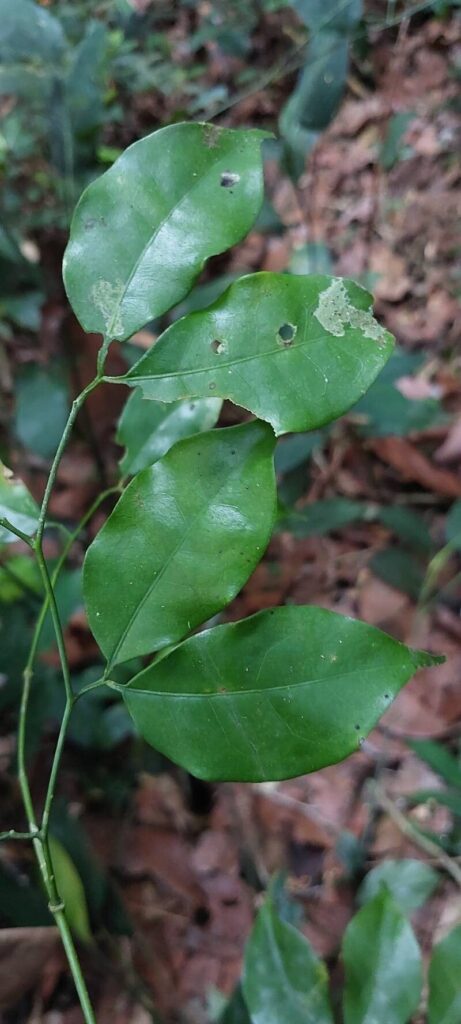
Propagating the Desert Date: A Guide to Cultivating Balanites wilsoniana
Balanites wilsoniana, also known as the Desert Date, is a fascinating and drought-tolerant tree native to arid and semi-arid regions of Africa. Its unique appearance, featuring thorny branches and small, yellow-green flowers, makes it a prized addition to xeriscapes and drought-tolerant gardens. While its resilience is remarkable, propagating Balanites wilsoniana presents unique challenges that are equally rewarding to overcome. Its relative rarity in cultivation further fuels the interest among gardeners keen to cultivate this intriguing species.
Seed Germination:
Currently, there are no known reliable methods for seed germination propagation of Balanites wilsoniana. While seeds are produced, germination rates are extremely low, likely due to a combination of factors including hard seed coats and dormancy mechanisms that are yet to be fully understood. Further research is needed to identify suitable pre-treatment methods such as scarification or specific temperature stratification that might improve germination success.
Cuttings:
Propagating Balanites wilsoniana from cuttings presents another significant challenge. Initial attempts using semi-hardwood or softwood cuttings have shown limited success. The low success rate is likely attributed to the plant’s physiology and its difficulty producing adventitious roots. While some anecdotal evidence suggests a small percentage of success under specific conditions (e.g., using rooting hormones and mist propagation), this method remains unreliable for large-scale propagation. More research is needed to optimize hormonal treatments and environmental factors for improved rooting rates.
Division:
Division is not a viable propagation method for Balanites wilsoniana. This species does not naturally produce suckers or readily detachable root systems suitable for division.
Tissue Culture:
Tissue culture offers a promising, albeit technically demanding, avenue for propagating Balanites wilsoniana. This method could overcome the limitations of seed germination and cuttings. Establishing sterile cultures from nodal segments or other suitable explants would require expertise in plant tissue culture techniques, including selecting appropriate media, growth regulators, and sterilization protocols. While there is no published research specifically on Balanites wilsoniana tissue culture, successful propagation of other Balanites species suggests the feasibility of this approach. However, optimizing the protocol for Balanites wilsoniana would require dedicated research and experimentation.
Conclusion:
Propagating Balanites wilsoniana presents substantial difficulties across all conventional methods. Seed germination remains unreliable, cuttings show low success rates, and division is not applicable. Tissue culture holds the most potential for large-scale propagation, but demands specialized knowledge and resources. Despite these challenges, the unique satisfaction derived from successfully cultivating this resilient plant far outweighs the effort. The rewards include contributing to the conservation of a unique species and enriching your garden with a fascinating and drought-tolerant addition. Aspiring propagators should consider prioritizing research and exploring collaborations with botanical gardens or universities with expertise in plant propagation, especially tissue culture techniques. Even small advancements in understanding the propagation requirements of Balanites wilsoniana would make a significant contribution to its wider cultivation and appreciation.