
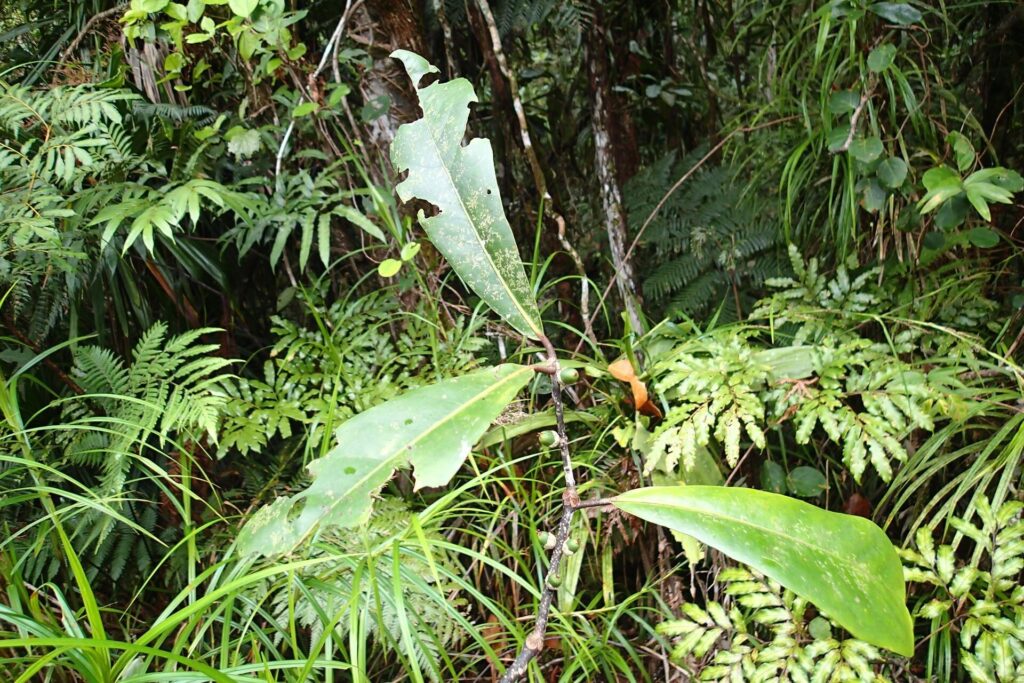
Propagating Balanops vieillardii: A Gardener’s Challenge
Introduction
Balanops vieillardii, also known as the New Caledonian Oak (though not a true oak), is a striking and relatively rare plant native to New Caledonia. Characterized by its unique, glossy, dark green leaves and unusual inflorescences, it holds a certain appeal for plant enthusiasts. Its unusual morphology and relative rarity contribute to its increasing popularity among gardeners seeking unique additions to their collections. However, propagating this species presents a significant horticultural challenge, making successful cultivation a rewarding accomplishment.
Seed Germination
Currently, there are no known reliable methods for seed germination propagation of Balanops vieillardii. While seeds may be produced, their viability and germination rates appear to be extremely low, possibly due to dormancy mechanisms not yet understood, or requiring specific, currently unknown, environmental triggers. Further research is needed to determine if successful seed germination is even feasible.
Cuttings
Propagating Balanops vieillardii from cuttings presents significant, but potentially surmountable, challenges. The success rate is likely to be low.
Challenges: Balanops vieillardii appears to have low rooting potential from cuttings. The plant’s physiology may hinder the formation of adventitious roots. The use of rooting hormones and specialized propagation techniques is likely essential.
Practical Tips: Experiments should focus on semi-hardwood cuttings taken in late summer or early autumn. A bottom heat system may improve root development. The use of a rooting hormone, such as IBA (Indole-3-butyric acid), at a moderate concentration should be considered. High humidity levels under a propagator or humidity dome are crucial.
Rewards: Successful propagation from cuttings represents a significant achievement. While not offering the genetic diversity of seed propagation, cuttings can be a reliable method for replicating desirable characteristics of a mother plant.
Division
Division is unlikely to be a viable propagation method for Balanops vieillardii. This species typically grows as a single-stemmed tree or shrub and does not readily produce multiple stems suitable for division.
Tissue Culture
Tissue culture techniques might offer the best, albeit technically demanding, approach for propagating Balanops vieillardii.
Challenges: Establishing a reliable tissue culture protocol will require significant experimentation to find the optimal media components, growth regulators, and sterilization procedures. Contamination is a major concern, and specialized laboratory equipment is necessary.
Practical Tips: Research should focus on identifying suitable explant sources (e.g., nodal segments or shoot tips) and experimenting with different media formulations. Experienced tissue culturists with expertise in recalcitrant species are needed.
Rewards: Tissue culture offers the potential for mass propagation, allowing for the wider distribution of this rare species. It also provides the opportunity to produce disease-free plants.
Conclusion
Propagating Balanops vieillardii presents a considerable challenge for even experienced horticulturists. While seed germination currently seems improbable, cuttings offer a possibility – albeit one requiring patience and specialized techniques – for propagation. Tissue culture emerges as the potentially most reliable method but demands significant expertise and resources. The rewards, however, are considerable; successfully propagating this unique plant is a testament to horticultural skill and perseverance, providing a deep sense of accomplishment and contributing to the conservation of this remarkable species. For aspiring propagators, remember that careful experimentation, meticulous record-keeping, and a steadfast approach are key to success. Embrace the challenge, learn from setbacks, and enjoy the journey toward successfully cultivating Balanops vieillardii.