
Propagating Ballota saxatilis: A Gardener’s Guide to the Rock Balm
Introduction:
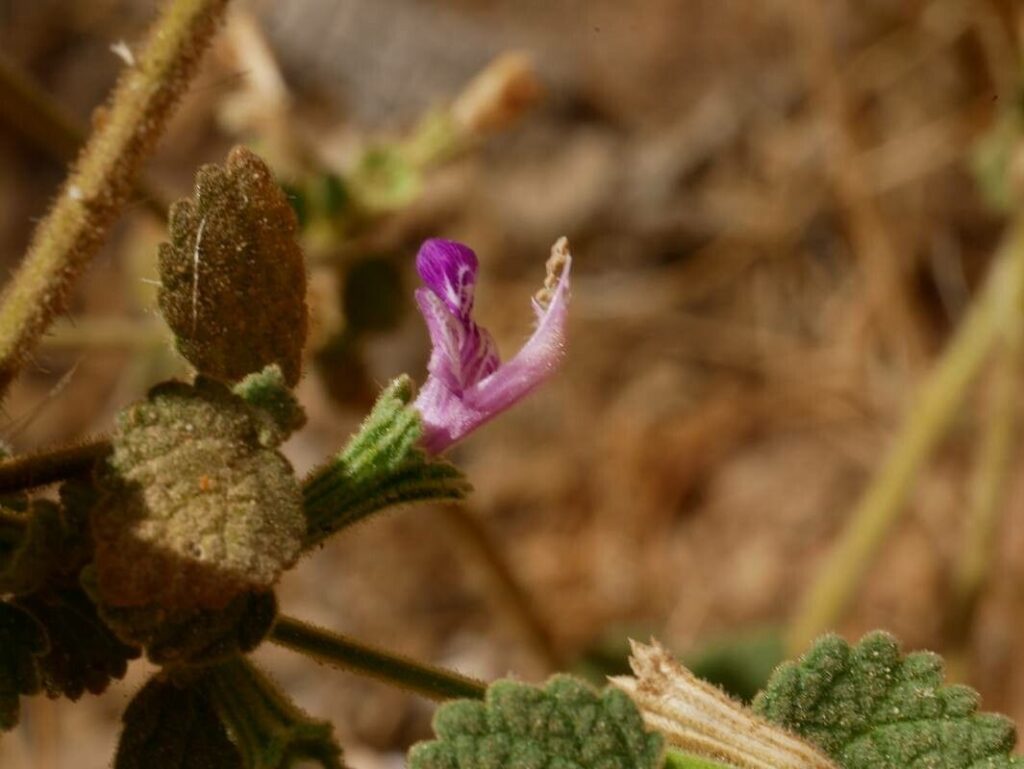
Ballota saxatilis, commonly known as Rock Balm, is a charming, low-growing subshrub prized for its aromatic, grey-green foliage and delicate lavender flowers. Its drought tolerance and ability to thrive in poor soils make it a popular choice for rock gardens, gravel gardens, and other low-maintenance landscapes. While relatively easy to maintain once established, propagating Ballota saxatilis can present some unique challenges, making successful propagation particularly rewarding. Its popularity stems not only from its aesthetic appeal but also from its resilience and the attractive contrast its foliage provides in garden settings.
Seed Germination:
Currently, there are no known reliable methods for seed germination propagation of Ballota saxatilis. While seeds may be produced, germination rates are notoriously low, and success is highly unpredictable. Further research into specific stratification techniques or other germination aids may prove fruitful in the future.
Cuttings:
-
Challenges: While cuttings are a more viable propagation method than seed, success is not guaranteed. The woody nature of the stems can make rooting difficult.
-
Practical Tips: Semi-hardwood cuttings taken in late summer or early autumn offer the best chance of success. Use a sharp knife or shears to take cuttings approximately 4-6 inches long, removing the lower leaves. Dip the cut ends in a rooting hormone powder before planting them in a well-draining propagating mix (e.g., a mixture of perlite and peat moss). Maintain consistently moist but not waterlogged conditions and provide bottom heat (approximately 70°F/21°C) for optimal rooting. High humidity, achieved with a propagation dome or plastic bag, is also beneficial.
- Rewards: Cuttings offer a relatively quick and straightforward method for producing genetically identical plants to the parent plant, preserving desirable traits. This method is ideal for small-scale propagation and maintaining a specific cultivar.
Division:
-
Challenges: Division is most effective when the plant is actively growing and relatively young. Older, more established plants can be more challenging to divide successfully without damaging the root system.
-
Practical Tips: The best time to divide Ballota saxatilis is in spring or autumn. Carefully dig up the plant, gently separating the root ball into smaller sections, ensuring that each division has sufficient roots and shoots. Replant the divisions immediately into well-prepared soil, ensuring good drainage.
- Rewards: Division is a quick method for increasing the number of plants and can be less technically demanding than cuttings. It is suitable for larger plants and allows for expansion of existing plantings.
Tissue Culture:
-
Challenges: Tissue culture propagation is a highly specialized technique requiring sterile laboratory conditions, specialized equipment, and a detailed understanding of plant tissue culture protocols. The success rate is dependent on various factors including the choice of media, temperature, and light. Developing a successful protocol specifically for Ballota saxatilis requires significant research and experimentation.
-
Practical Tips: This method is not suitable for home gardeners. It is usually undertaken in specialized plant nurseries or research facilities.
- Rewards: Tissue culture offers the potential for large-scale, rapid propagation and the elimination of diseases. It is an efficient method for preserving rare and endangered plants.
Conclusion:
Propagating Ballota saxatilis presents challenges, with seed propagation currently proving unreliable. Cuttings and division offer more feasible options for the home gardener, though patience and attention to detail are key. While tissue culture offers potential for mass propagation, it is beyond the scope of most amateur growers. The satisfaction derived from successfully nurturing a cutting through to a thriving plant, or from carefully dividing a mature specimen, however, is a significant reward. The resilience and beauty of this little plant make the effort well worth it for any aspiring propagator willing to put in the time and care. Remember to prioritize well-draining soil and consistent moisture levels, but avoid overwatering, to maximize your chances of reproductive success.