
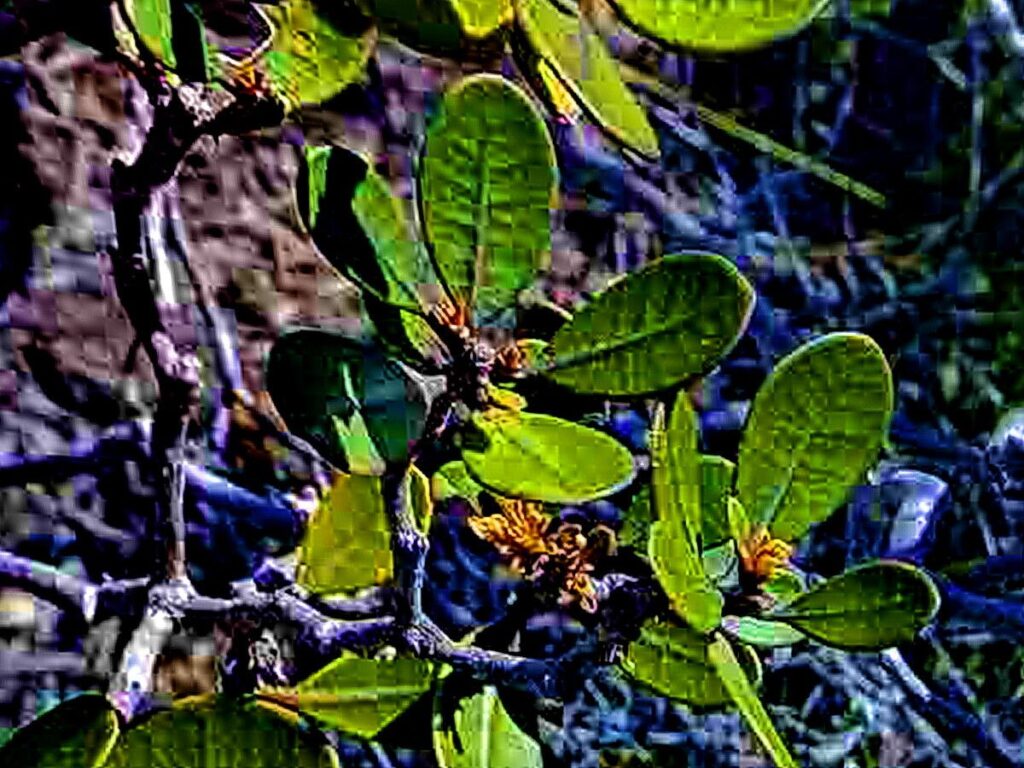
Propagating the Native Wildflower, Baloghia drimiflora
Introduction:
Baloghia drimiflora, also known as the native currant bush, is a captivating Australian shrub prized for its attractive foliage and vibrant, often profuse, blooms. Its adaptability to various soil types and relatively low maintenance requirements have contributed to its growing popularity amongst gardeners. However, propagation of Baloghia drimiflora presents unique challenges, making successful cultivation a rewarding accomplishment for the dedicated plant enthusiast. The plant’s relatively slow growth rate further emphasizes the importance of effective propagation methods.
Seed Germination:
Currently, there are no known reliable methods for seed germination propagation of Baloghia drimiflora. While seeds may be produced, their viability and germination rate are reportedly very low, and successful germination has not been consistently documented in horticultural literature. Further research into seed pretreatment techniques, including scarification and stratification, may be necessary to determine if seed germination is a feasible propagation method for this species.
Cuttings:
Cuttings represent a more promising avenue for propagating Baloghia drimiflora. Semi-hardwood cuttings taken in late spring or early summer, approximately 10-15cm long, have shown some success.
- Challenges: The rooting process can be slow and inconsistent. The cuttings are susceptible to fungal diseases, particularly in humid conditions.
- Practical Tips: Use a well-draining potting mix. Applying a rooting hormone can improve success rates. Maintain high humidity (e.g., using a humidity dome or misting regularly) and ensure adequate but not excessive moisture. Bottom heat can accelerate root development.
- Rewards: Cuttings offer a relatively simple and cost-effective method of cloning desirable plants, preserving desirable traits of the parent plant. Successful propagation by cuttings reduces the need to source seed and allows for potentially faster establishment of new plants compared to starting from seed.
Division:
Division is generally not a viable method for propagating Baloghia drimiflora. The plant’s root system structure does not lend itself easily to division, and attempts to separate established plants often result in damage and poor survival rates.
Tissue Culture:
Tissue culture offers a potential, albeit complex, method for mass propagating Baloghia drimiflora. This laboratory-based technique allows for the rapid multiplication of plants from small tissue samples.
- Challenges: Tissue culture requires specialized equipment, a sterile environment, and expertise in plant tissue culture techniques. It is a relatively expensive and time-consuming process. Developing optimal nutrient media and growth conditions specifically for Baloghia drimiflora may require significant experimentation.
- Practical Tips: Collaboration with a plant tissue culture laboratory or a qualified expert is highly recommended. Research into appropriate media formulations and hormonal treatments for Baloghia drimiflora is crucial.
- Rewards: Tissue culture provides a means for mass production of genetically uniform plants, ideal for commercial propagation or conservation efforts. This method overcomes the challenges associated with seed germination and cuttings.
Conclusion:
Propagating Baloghia drimiflora presents distinct challenges across different methods. While seed germination appears currently unreliable, cuttings are a more accessible approach, though demanding patience and attention to detail. Division is impractical, and tissue culture, although potentially highly effective, requires significant expertise and resources. The rewards, however, are significant: the successful propagation of this beautiful Australian shrub offers a unique satisfaction, especially considering the intricacies involved. Its vibrant personality and hardiness ultimately makes the effort worthwhile. For aspiring propagators, we encourage persistence, meticulous record-keeping, and a willingness to experiment, learning from successes and setbacks alike. With careful planning and implementation, the beauty of Baloghia drimiflora can be successfully shared and enjoyed for years to come.