
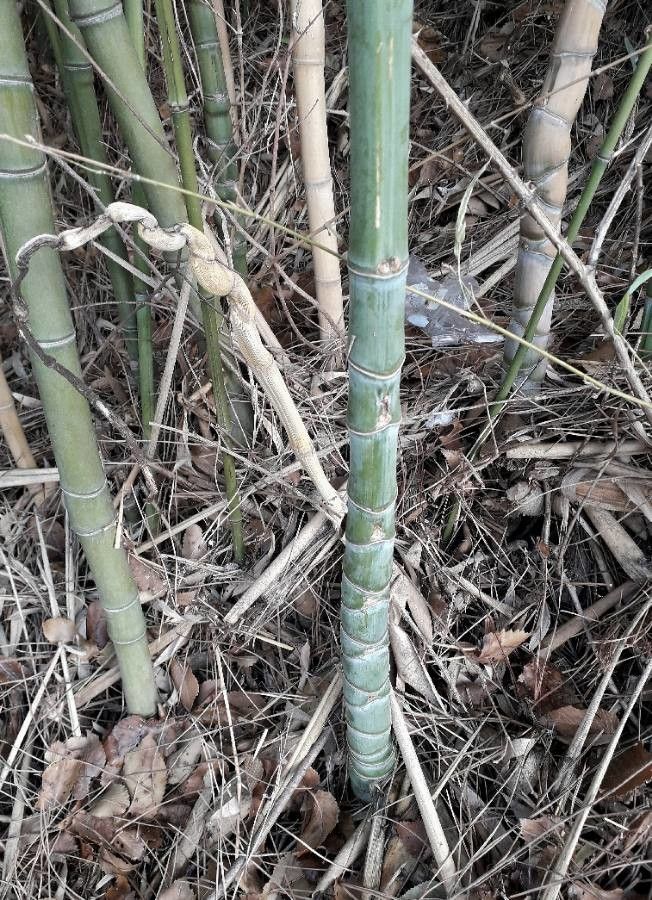
Propagating Bambusa vulgaris: A Gardener’s Guide to the Common Bamboo
Bambusa vulgaris, commonly known as giant bamboo or weaver’s bamboo, is a striking and versatile member of the Poaceae family. Characterized by its tall, robust culms (stems) and vibrant green leaves, it’s a popular choice among gardeners for its ornamental value, rapid growth, and numerous practical applications. However, its propagation isn’t always straightforward, presenting unique challenges and rewards for the dedicated cultivator. This article explores the various methods available, outlining their feasibility and offering practical advice.
Seed Germination:
Currently, there are no known reliable methods for seed germination propagation of Bambusa vulgaris. While the plant produces seeds, their viability is exceptionally low, and successful germination is extremely rare in cultivation. Attempts at seed germination are generally not recommended due to the low probability of success.
Cuttings:
This is the most common and reliable method for propagating Bambusa vulgaris.
Challenges: Successful propagation relies on selecting healthy, mature culms and employing proper techniques to prevent rotting and fungal infections.
Practical Tips:
- Timing: Take cuttings during the active growing season (spring or early summer).
- Selection: Choose healthy, vigorous, one-year-old culms. Avoid culms showing signs of disease or damage.
- Preparation: Cut sections approximately 1-2 feet long, ensuring at least one node is present. Remove the lower leaves to prevent rotting.
- Treatment: Dip the cut ends in a rooting hormone to stimulate root development.
- Planting: Plant cuttings in a well-draining potting mix, burying the lower node. Maintain consistently moist, but not waterlogged, conditions.
- Environment: Provide a warm, humid environment with indirect sunlight. A propagator or humidity dome can be beneficial.
Rewards: This method is relatively easy and provides quick results, offering a reliable way to increase your stock of Bambusa vulgaris.
Division:
Division involves separating established clumps of bamboo into smaller, independent plants.
Challenges: This is physically demanding, requiring effort to carefully separate the rhizomes (underground stems) without damaging them. Improper division can weaken the parent plant and newly divided plants.
Practical Tips:
- Timing: The best time is during the dormant season (late autumn or winter) when the plant is less active.
- Preparation: Dig up the entire clump carefully, exposing the rhizomes.
- Separation: Use a sharp, clean spade or knife to divide the clump into sections, ensuring each section has a healthy portion of rhizomes and culms.
- Replanting: Plant each division in a well-prepared hole, ensuring good soil contact. Water thoroughly.
Rewards: Division offers a simple way to quickly increase the number of plants, preserving the genetic characteristics of the parent plant.
Tissue Culture:
Tissue culture is a more advanced propagation method involving growing plants from small tissue samples in a sterile laboratory environment.
Challenges: This requires specialized equipment, knowledge, and a clean laboratory setting. It’s more expensive and time-consuming than other methods.
Practical Tips: This method is best left to specialists. The process involves sterilizing the plant tissues, culturing them on nutrient agar, and then transferring the resulting plantlets to potting mix.
Rewards: Tissue culture offers the highest potential for large-scale propagation and disease-free plants. It also allows for the propagation of rare or difficult-to-propagate cultivars.
Conclusion:
Propagating Bambusa vulgaris presents unique challenges depending on the chosen method. While seed germination is unreliable, cuttings provide a consistently successful approach for home gardeners. Division offers another effective method for established plants, while tissue culture serves as a scalable solution for larger-scale propagation but necessitates a higher level of expertise. The inherent satisfaction of successfully cultivating this beautiful and useful plant, despite the hurdles, makes the effort worthwhile. Remember to choose the method best fitting your resources and experience level, and don’t be discouraged if your first attempts aren’t perfectly successful – practice makes perfect, even with giant bamboo!