
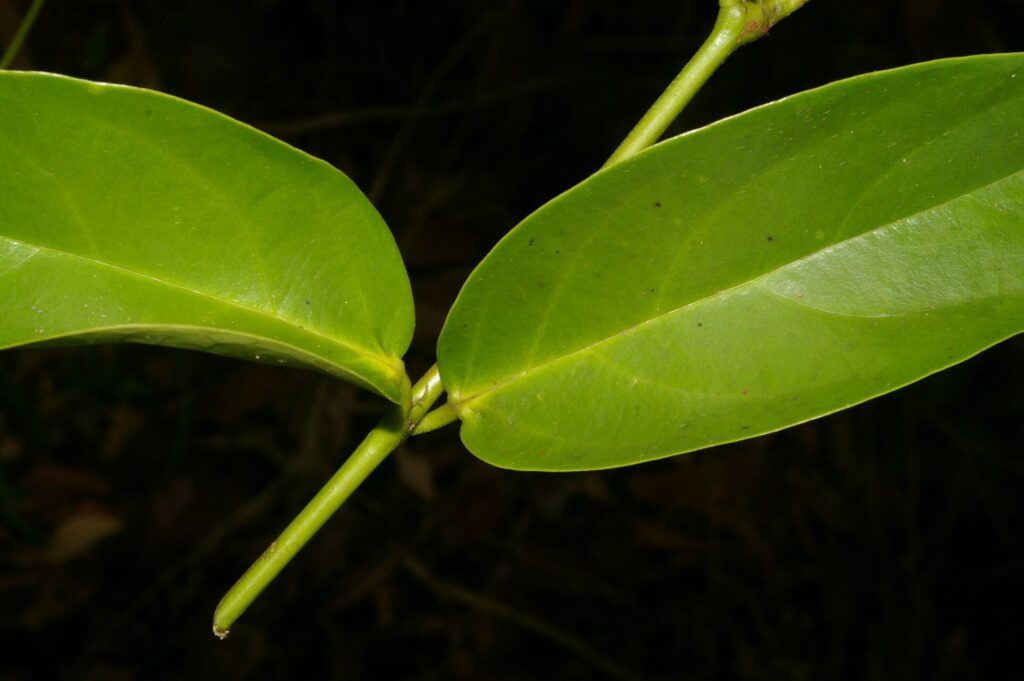
Propagating Banisteriopsis elegans: A Guide to Cultivating the "Caapi" Vine
Introduction:
Banisteriopsis elegans, commonly known as Caapi (though this name is often applied to the entire genus and sometimes specifically to B. caapi), is a fascinating and increasingly popular vine prized for its ornamental value and unique properties. Its heart-shaped leaves and vigorous growth habit make it a captivating addition to any collection, particularly those focusing on tropical or rainforest-inspired gardens. However, propagating this species presents a unique set of challenges, making successful cultivation all the more rewarding. While the plant readily grows in suitable conditions, its propagation isn’t always straightforward and requires patience and a meticulous approach.
Seed Germination:
Currently, there are no known reliable methods for seed germination propagation of Banisteriopsis elegans. Seed production itself is reportedly rare, and even when seeds are obtained, their viability and germination rate are notoriously low. Further research into optimized germination techniques is needed.
Cuttings:
Challenges: Propagating Banisteriopsis elegans from cuttings is the most commonly employed method, but success isn’t guaranteed. The cuttings are prone to rot if not handled carefully, and rooting can be slow.
Tips: Take semi-hardwood cuttings in spring or summer from healthy, actively growing stems. Cuttings should be approximately 4-6 inches long with several nodes. Remove lower leaves and dip the cut end in rooting hormone before planting in a well-draining mix (e.g., perlite and peat moss). Maintain high humidity (using a humidity dome or plastic bag) and consistent warmth (around 75-80°F). Mist regularly to prevent drying out.
Rewards: Successful rooting generates genetically identical plants, preserving desirable traits. This method is relatively easy to scale up for producing multiple plants.
Division:
Challenges: Division is only feasible for established, mature plants, limiting its use for propagation. It can also be stressful to the mother plant, potentially hindering its health if not performed carefully.
Tips: Divide the rootball during dormancy, ensuring each division has healthy roots and sufficient stems. Plant divisions immediately into well-draining soil and keep them moist but not waterlogged.
Rewards: Division provides an efficient way to increase the number of plants, relatively quickly, from already established specimens.
Tissue Culture:
Challenges: Tissue culture requires specialized equipment, sterile techniques, and a considerable amount of technical expertise. It’s not a method suitable for casual gardeners. The specific requirements for B. elegans tissue culture remain largely unexplored.
Tips: This method is best left to laboratories or experienced tissue culture specialists familiar with propagation of tropical plants.
Rewards: Tissue culture offers the potential for mass propagation, generating a large number of genetically identical plants quickly and efficiently, making it favorable for commercial cultivation if optimized for this species.
Conclusion:
Propagating Banisteriopsis elegans presents various challenges, with cuttings offering the most accessible and reliable method for the average hobbyist. While seed propagation remains largely unproven, and tissue culture requires specialized skills, mastering any of these methods delivers a deep sense of accomplishment. The inherent difficulty only serves to heighten the satisfaction of successfully cultivating this unique and captivating plant. Patience, attention to detail, and persistence are key to success. Don’t be discouraged by initial setbacks – the rewards of nurturing a healthy Banisteriopsis elegans vine far outweigh the challenges. Remember to always research and follow specific growing guidelines according to your climate and resources.