
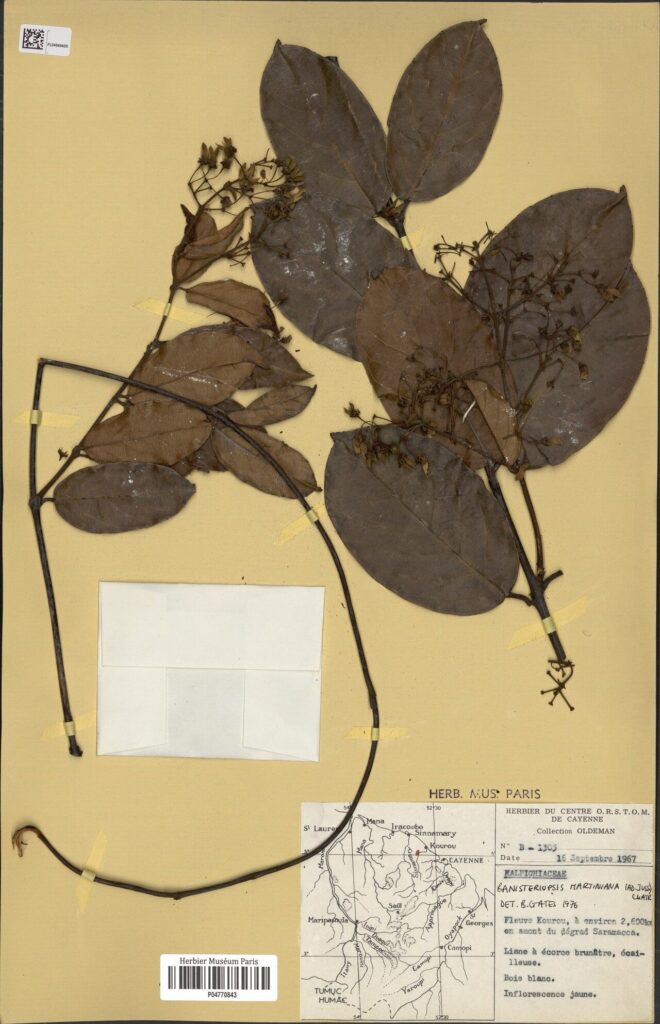
Unlocking the Secrets: Propagating Your Very Own Banisteriopsis Martiniana
The captivating Banisteriopsis martiniana, a tropical vine admired for its stunning beauty and cultural significance, has intrigued plant enthusiasts for generations. For those wanting to share this marvel with others or simply expand their own collection, propagation offers the perfect solution.
This blog post delves into the fascinating world of propagating B. martiniana, providing you with a comprehensive guide to successfully cultivate new plants from cuttings or seeds.
Understanding the Process: A Tale of Two Methods
There are two prevailing methods for propagating B. martiniana: cuttings and seeds.
1. The Cutting Method – A Speedy Route to Success
This technique involves taking stem cuttings from a healthy, established plant and nurturing them to develop roots. Here’s a step-by-step guide:
- Selection: Choose a non-flowering, healthy stem with at least two nodes (points where leaves grow).
- Cutting: Using a sharp, sterile blade, cut the stem just below a node at a 45-degree angle. Remove the leaves below the top two nodes to minimize water loss.
- Propagation Medium: Prepare a well-draining mixture of peat moss and perlite. Moisten the mixture thoroughly but avoid oversaturation.
- Planting: Dip the cut end of the stem in rooting hormone for optimal root development. Make a small hole in the prepared medium, insert the cutting, and gently firm the soil around it.
- Care: Position the cuttings in a warm, humid environment with indirect light. Avoid direct sunlight, as it can scorch delicate stems. Keep the soil consistently moist but not soggy.
- Root Development: Expect roots to emerge in approximately 4-6 weeks. You’ll notice new growth indicating successful rooting.
2. The Seed Method – A Journey of Patience
For a more hands-on experience, propagating B. martiniana from seed offers a rewarding challenge. Follow these steps:
- Acquiring Seeds: Sourcing fresh and viable seeds is crucial. Ideally, you’ll choose seeds from mature, healthy fruits.
- Scarification: The seeds of B. martiniana have a hard coat that prevents germination. To overcome this, scarify the seeds using sandpaper or by soaking them in hot water for 24 hours.
- Sowing: Prepare a seed-starting mix, filling small pots or trays. Gently press the seeds into the moist medium, covering them with a thin layer of soil.
- Germination: Maintain a humid environment with temperatures between 75-85°F (24-29°C) for maximum germination potential. Regularly mist the seeds and ensure proper drainage.
- Growth: Germination can take up to several weeks. Once seedlings emerge, provide them with plenty of bright, indirect light and gradually acclimatize them to outdoor conditions.
A Final Note: Patience and Perseverance are Key
Propagating B. martiniana can be a rewarding endeavor, but it does require patience. Whether you choose the cutting or seed method, be sure to provide consistent care, monitor your plants diligently, and above all, enjoy the journey of witnessing new life emerge.
With a bit of knowledge, dedication, and a good dose of patience, you can grow your own stunning Banisteriopsis martiniana plants, bringing a touch of tropical beauty to your home and sharing it with others who appreciate this captivating vine.